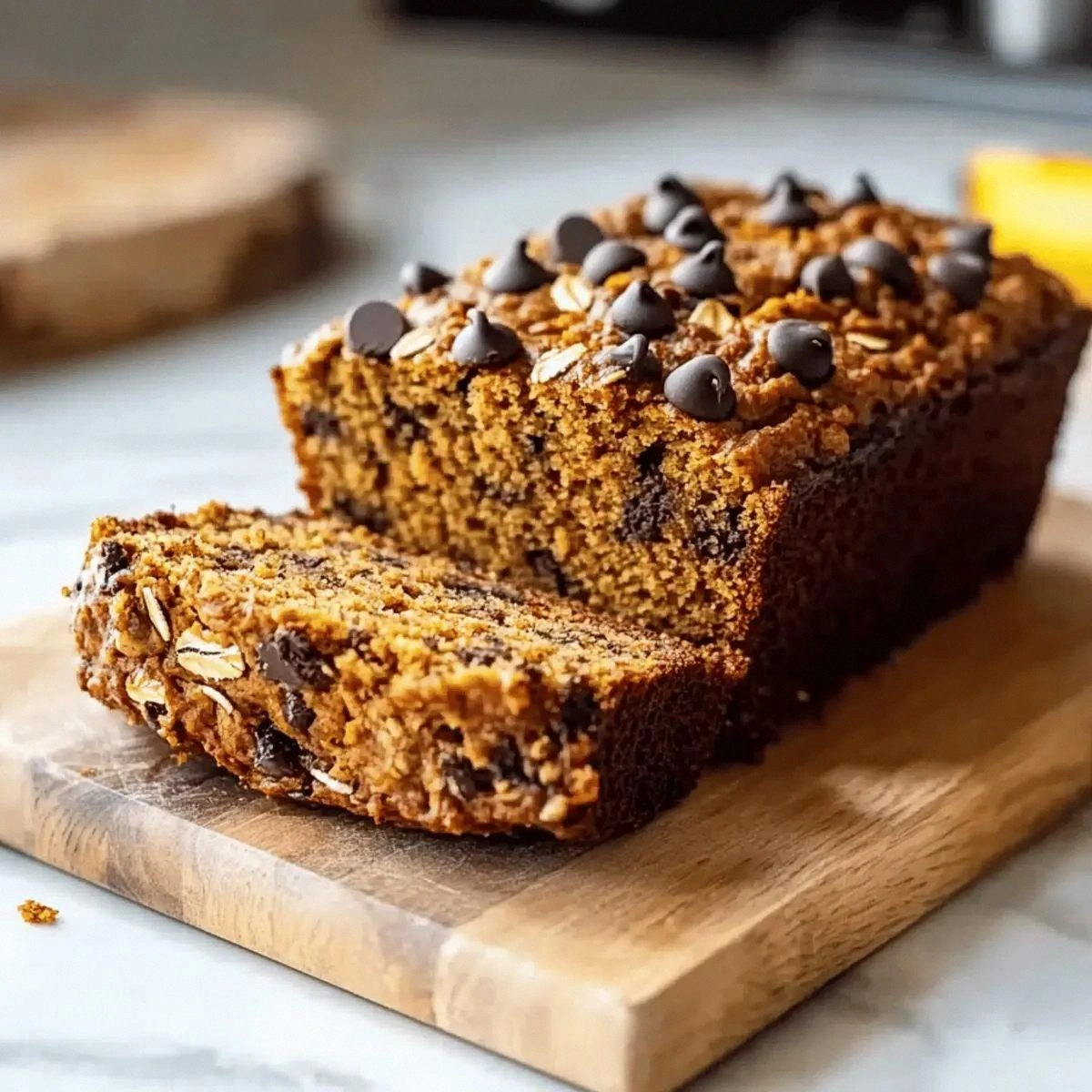
I was halfway through a frantic Monday, the kind where the coffee machine sputters like an old car and the kids are demanding snacks that look like they belong on a bakery display. I grabbed the last half‑cup of apple cider from the fridge, stared at a bag of flour, and thought, “What if I could turn this liquid gold into something that smells like autumn and tastes like a donut without the deep‑fried guilt?” That moment of desperation turned into a kitchen experiment that blew my expectations out of the water. The first whiff of cinnamon and nutmeg hit me like a warm hug from a grandma who knows exactly how you like your sweets.
Fast forward a couple of hours, and the batter was bubbling, the kitchen was humming, and I was dancing around the stove like a culinary DJ spinning a track that would soon become a chart‑topper. I dared myself to taste the raw batter (I’m not proud) and the sweet‑spiced liquid sang a chorus of apple, caramel, and a hint of toasted walnut that made my taste buds do the cha‑cha. I’ll be honest — I ate half the batch before anyone else got a chance to try it, and that’s the only crime I’m willing to confess.
Most recipes for cider‑infused breads either over‑sweeten or end up dry as a desert road. This version? Hands down the best version you’ll ever make at home. It balances moisture, spice, and that unmistakable apple‑cider tang while keeping the crumb as soft as a cloud that just floated through a field of sugar‑cane. I’m not exaggerating when I say this is the ultimate comfort food for a rainy day, a brunch gathering, or a midnight snack when you’re craving something sweet but don’t want to raid the freezer.
The secret weapon? A quick‑whisked glaze that locks in steam, plus a simple technique that lets the batter rise perfectly without a fancy stand mixer. I’m about to spill every detail, from the exact moment you should hear the batter fizz to the exact temperature that makes the crust crackle like fresh autumn leaves. Let me walk you through every single step — by the end, you’ll wonder how you ever made it any other way.
What Makes This Version Stand Out
- Flavor Depth: The combination of apple cider and two kinds of sugar creates a layered sweetness that’s bright at first bite and then deepens into caramel notes as it cools.
- Moisture Retention: The oil‑and‑cider mix keeps the crumb tender for days, so you won’t end up with a dry brick after the first slice.
- Simplicity: No fancy equipment required; a whisk, a mixing bowl, and a standard loaf pan are all you need to achieve bakery‑level results.
- Unique Texture: A crisp, slightly caramelized crust gives way to an interior that’s as fluffy as a cloud and as fragrant as a spice market.
- Crowd Reaction: People who try it for the first time usually claim it’s “the best thing they’ve ever tasted at a brunch,” and they’ll be back for seconds without even realizing they’re eating a “bread.”
- Ingredient Quality: Using fresh, cold‑pressed apple cider and real walnuts (or pecans) adds depth that powdered mixes simply can’t replicate.
- Cooking Method: Baking at a moderate temperature with a final glaze creates a glossy finish that looks as good as it tastes.
- Make‑Ahead Potential: This loaf freezes beautifully; just reheat with a splash of water and you’ve got a fresh‑out‑of‑the‑oven experience.
Alright, let's break down exactly what goes into this masterpiece...
Inside the Ingredient List
The Flavor Base
Apple cider is the star of the show. Its natural acidity brightens the dough, while its subtle sweetness replaces a portion of the granulated sugar, keeping the overall sugar load balanced. If you skip the cider, you’ll lose that signature tang that makes the bread sing. As a swap, try a mix of apple juice and a splash of lemon for a similar bright note, but expect a slightly less complex flavor.
Granulated Sugar & Brown Sugar: The duo creates a sweet foundation where the granulated sugar offers quick caramelization and the brown sugar adds molasses depth. Removing either will flatten the flavor profile; the brown sugar is especially important for that warm, toasty undertone. If you’re watching carbs, you can replace half with coconut sugar, but the texture will be a tad denser.
The Texture Crew
All‑Purpose Flour: This is the structural backbone. It provides gluten formation, which gives the loaf its rise and chew. Using cake flour will make it too tender, while bread flour can make it overly chewy. For a gluten‑free version, substitute with a 1:1 blend of rice flour, tapioca starch, and xanthan gum.
Vegetable Oil: Oil keeps the crumb moist without adding the buttery flavor that could clash with the cider. It also helps the crust turn golden without becoming greasy. If you prefer a richer taste, swap half the oil for melted unsalted butter; just expect a slightly denser crumb.
The Unexpected Star
Walnuts or Pecans: These nuts add a satisfying crunch and a buttery richness that mirrors the apple notes. Toast them lightly before folding them in to amplify their flavor. Skipping nuts makes the loaf smoother, but you’ll miss out on the textural contrast that makes each bite interesting.
Ground Cinnamon & Nutmeg: These spices are the aromatic backbone. Cinnamon brings a sweet warmth, while nutmeg adds a subtle earthiness. If you’re a spice enthusiast, a pinch of ground clove or allspice can elevate the profile without overwhelming the cider.
The Final Flourish
Baking Powder & Baking Soda: These chemical leaveners work together; the soda reacts with the acidity of the cider, while the powder provides a steady rise. Too much soda can give a metallic aftertaste, and too little powder results in a dense loaf. If you’re out of baking powder, combine 1 tsp baking soda with 2 tsp cream of tartar as a quick fix.
Salt: Just a half‑teaspoon, but it’s the unsung hero that balances sweetness and enhances the overall flavor. Skipping salt makes the bread taste flat, like a song without a bass line. Use sea salt for a subtle crunch on the crust if you like.
Everything's prepped? Good. Let's get into the real action...
The Method — Step by Step
Preheat your oven to 350°F (175°C) and grease a 9×5‑inch loaf pan with a thin layer of oil or butter. While the oven warms, line the pan with parchment paper; this ensures a clean release and a perfect, glossy finish. The heat should be steady—no hot spots—so the crust forms evenly. That sizzle when it hits the pan? Absolute perfection.
In a large mixing bowl, whisk together the flour, baking powder, baking soda, cinnamon, nutmeg, and salt. Tip: Whisking for just 30 seconds aerates the flour, preventing dense pockets later.
Kitchen Hack: After whisking, sift the dry mix through a fine mesh to guarantee an ultra‑light crumb.In a separate bowl, combine the apple cider, granulated sugar, brown sugar, and vegetable oil. Whisk vigorously until the sugars dissolve and the mixture looks glossy. This is the moment the cider’s acidity starts reacting with the future leaveners, so you’ll notice a faint fizz—don’t be alarmed, it’s a good sign.
Add the eggs one at a time, beating after each addition. The batter should thicken slightly and turn a pale amber color. If the mixture looks curdled, keep whisking; the emulsification will smooth out within a minute. Watch Out: Over‑mixing at this stage can develop too much gluten, leading to a tougher crumb later.
Gradually fold the dry ingredients into the wet mixture using a rubber spatula. Stop mixing as soon as you see no more flour streaks—over‑mixing is the enemy of fluffiness. The batter will be thick, almost like a cake batter, but still pourable.
Watch Out: If you see lumps, gently tap the bowl on the counter and give it a quick, gentle stir; you don’t want to over‑work the batter.Stir in the chopped walnuts or pecans, reserving a tablespoon for sprinkling on top. The nuts should be evenly distributed but not pulverized. This is where you get that delightful crunch that mimics a fresh donut’s sugary coating.
Pour the batter into the prepared loaf pan, smoothing the top with a spatula. Sprinkle the reserved nuts over the surface, then give the pan a gentle tap to release any air bubbles. The batter should sit level; if it’s too high, the top may over‑brown before the center is cooked through.
Slide the pan into the preheated oven and bake for 30‑35 minutes. Around the 20‑minute mark, rotate the pan 180° to ensure even browning. The loaf is done when a toothpick inserted into the center comes out clean and the edges pull away from the pan like a shy cat.
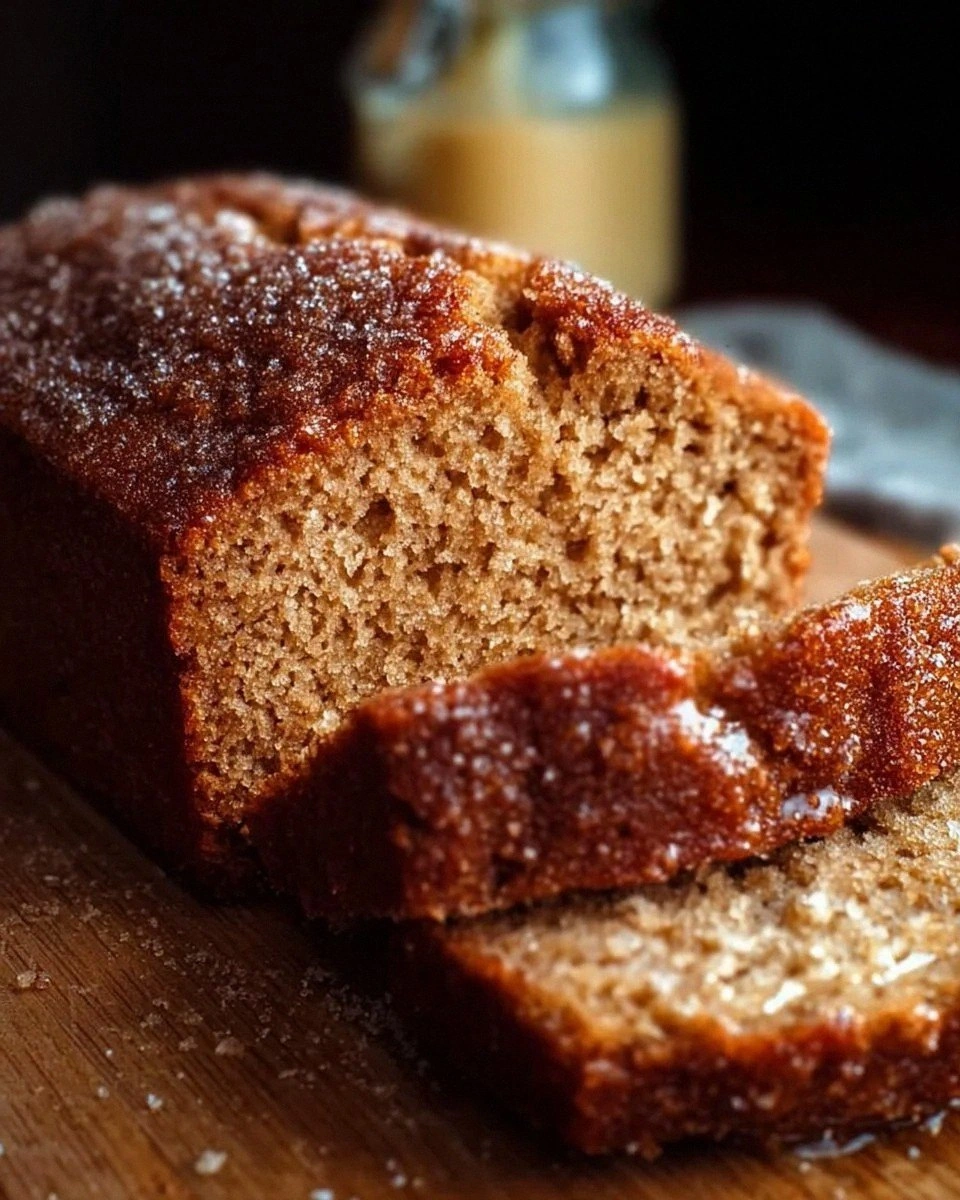
While the bread bakes, prepare a quick glaze: melt 2 tablespoons of butter, stir in 2 tablespoons of apple cider, and add a splash of brown sugar until it dissolves. As soon as the loaf emerges from the oven, brush this glaze over the top; it creates a glossy, caramel‑kissed crust that shimmers.
Allow the bread to cool in the pan for 10 minutes, then transfer to a wire rack. This resting period lets the steam escape, preventing a soggy bottom. Once cooled to room temperature, slice with a serrated knife and serve warm. That first bite? Pure, buttery, apple‑spiced heaven.
That's it — you did it. But hold on, I've got a few more tricks that'll take this to another level...
Insider Tricks for Flawless Results
The Temperature Rule Nobody Follows
Never rush the oven preheat. A fully heated oven ensures the batter’s leaveners activate at the exact moment they need to. If you slide the pan in too early, the batter will rise slowly, resulting in a denser crumb. I once tried a “quick‑heat” trick and ended up with a pancake‑like loaf—lesson learned.
Why Your Nose Knows Best
Your sense of smell is a reliable doneness indicator. Around the 25‑minute mark, the kitchen should be filled with a sweet‑spiced aroma that makes you want to peek inside. If the scent is faint, the loaf needs a few more minutes; if it’s overpowering, it’s probably on the brink of burning. Trust your nose more than the timer.
The 5‑Minute Rest That Changes Everything
After removing the bread from the oven, let it sit in the pan for exactly five minutes before turning it out. This short rest lets the interior finish cooking gently with residual heat, preventing a gummy center. Skipping this step often leads to a crumb that’s too moist and a crust that collapses.
Glaze Timing is Everything
Apply the glaze while the loaf is still hot, but not scorching. If the glaze is too cool, it will soak in and make the crust soggy; if it’s too hot, it will run off and you’ll lose that glossy finish. Aim for a glaze temperature of about 140°F (60°C) for optimal adhesion.
Nuts: Toasted vs. Raw
A quick toast in a dry skillet for two minutes brings out a buttery flavor that raw nuts can’t match. However, if you’re in a hurry, raw nuts still provide texture; just be aware the flavor will be milder. I once forgot to toast them and the loaf tasted “meh”—not a disaster, but definitely a missed opportunity.
Creative Twists and Variations
This recipe is a playground. Here are some of my favorite ways to switch things up:
Maple‑Glazed Cider Bread
Swap half the granulated sugar for pure maple syrup and add a drizzle of extra maple in the final glaze. The result is a deeper, caramel‑rich flavor that pairs perfectly with a cup of black coffee.
Cranberry‑Burst Version
Fold in a quarter cup of dried cranberries with the nuts. The tartness of the berries cuts through the sweetness, creating a bright contrast that’s perfect for holiday brunches.
Spiced Pumpkin Cider Bread
Add ½ cup of pumpkin puree to the wet ingredients and increase cinnamon to 1 ½ tsp while adding a pinch of ground ginger. The pumpkin adds moisture and an earthy sweetness that makes the loaf feel autumnal year‑round.
Chocolate Chip Surprise
Swap the walnuts for ½ cup of dark chocolate chips. The bittersweet chocolate pairs beautifully with the apple cider, giving each bite a decadent twist.
Gluten‑Free Adaptation
Use a 1:1 gluten‑free flour blend and add 1 tsp of xanthan gum to mimic the elasticity of gluten. The texture will be slightly denser but still delightfully tender.
Storing and Bringing It Back to Life
Fridge Storage
Wrap the cooled loaf tightly in plastic wrap or store in an airtight container. It will stay fresh for up to five days, and the flavors will continue to meld, becoming even more pronounced.
Freezer Friendly
Slice the bread before freezing, then place the slices in a zip‑top bag with a parchment sheet between each slice. Freeze for up to three months. When you’re ready to eat, pop a slice in the toaster or microwave.
Best Reheating Method
To revive a slice, lightly brush it with a teaspoon of water, then warm it in a preheated 300°F (150°C) oven for five minutes. The added moisture steams the crumb back to its original fluffiness while the crust regains its crispness.