I was in the middle of a scorching July afternoon, the kind where the sun feels like it’s trying to fry the kitchen floor, when my roommate dared me to create a dessert that could actually cool us down. I laughed, grabbed the nearest fruit bowl, a squeeze of lime, and a drizzle of honey, and the result was nothing short of a revelation. The moment the citrusy perfume hit my nose, I knew we were onto something that would make us forget the heat altogether. That first bite was like a splash of cool water on a hot day—bright, refreshing, and impossibly satisfying.
Fast forward a few weeks, and I’ve refined that impromptu experiment into a polished, crowd‑pleasing masterpiece that I’m convinced is the best honey‑lime fruit salad you’ll ever make at home. Most fruit salads are just a lazy mix of whatever’s in the fridge, but this version brings a deliberate balance of sweet honey, tangy lime, and a whisper of fresh mint that turns every forkful into a mini celebration. I dare you to taste this and not go back for seconds; the combination is that addictive.
What truly sets this dish apart is the secret technique I discovered while watching a chef on a cooking show: a quick caramelization of the honey and lime zest on the stovetop before folding it into the fruit. Most recipes get this completely wrong, either dumping raw honey straight into the bowl (which leaves the flavor flat) or overcooking the citrus (which turns it bitter). By gently warming the honey with lime zest, you create a glossy, aromatic glaze that clings to each piece of fruit like a silky veil.
I’ll be honest — I ate half the batch before anyone else got a chance to try it, and I’m still not sorry. The secret ingredient? A pinch of sea salt that amplifies the sweet‑tart dance, and a handful of toasted coconut flakes that add a subtle crunch you didn’t know you were missing. Okay, ready for the game‑changer? Let me walk you through every single step — by the end, you’ll wonder how you ever made it any other way.
What Makes This Version Stand Out
- Flavor Explosion: The honey‑lime glaze creates a bright, zingy coating that makes each fruit bite pop with sunshine.
- Texture Harmony: Juicy fruit meets a light crunch from toasted coconut, while mint adds a fresh, herbaceous snap.
- Simplicity: Fewer than ten ingredients, all of which are pantry‑friendly, mean you can throw this together in under 20 minutes.
- Uniqueness: The quick caramelization step is rarely seen in fruit salads, giving you a restaurant‑level finish at home.
- Crowd Reaction: Guests often claim it’s the best thing they’ve had at a summer BBQ, and they’ll ask for the recipe twice.
- Ingredient Quality: Fresh, ripe seasonal fruit combined with high‑grade honey ensures natural sweetness without added sugar.
- Make‑Ahead Potential: The glaze can be prepared ahead of time, letting the fruit stay crisp until you’re ready to serve.
- Health Boost: Vitamin‑rich fruit, antioxidant‑packed honey, and a dash of sea salt create a balanced snack that feels indulgent yet wholesome.
Inside the Ingredient List
The Flavor Base
Honey is the sweet heart of this salad, but not just any honey will do. I recommend a light, floral variety like orange blossom or clover honey; they dissolve easily and add a subtle perfume that pairs perfectly with lime. If you skip the honey, the salad loses its glossy finish and the natural fruit sugars can become overwhelming. As a swap, agave nectar works in a pinch, but expect a thinner glaze.
The Citrus Spark
Fresh lime juice is non‑negotiable. The acidity cuts through the fruit’s sweetness and brightens the overall profile. When you zest the lime before juicing, you capture those aromatic oils that turn a simple dressing into a fragrance bomb. Bottled lime juice lacks this depth and often carries a metallic aftertaste. If limes are out of season, Meyer lemons provide a milder acidity with a hint of sweetness.
The Texture Crew
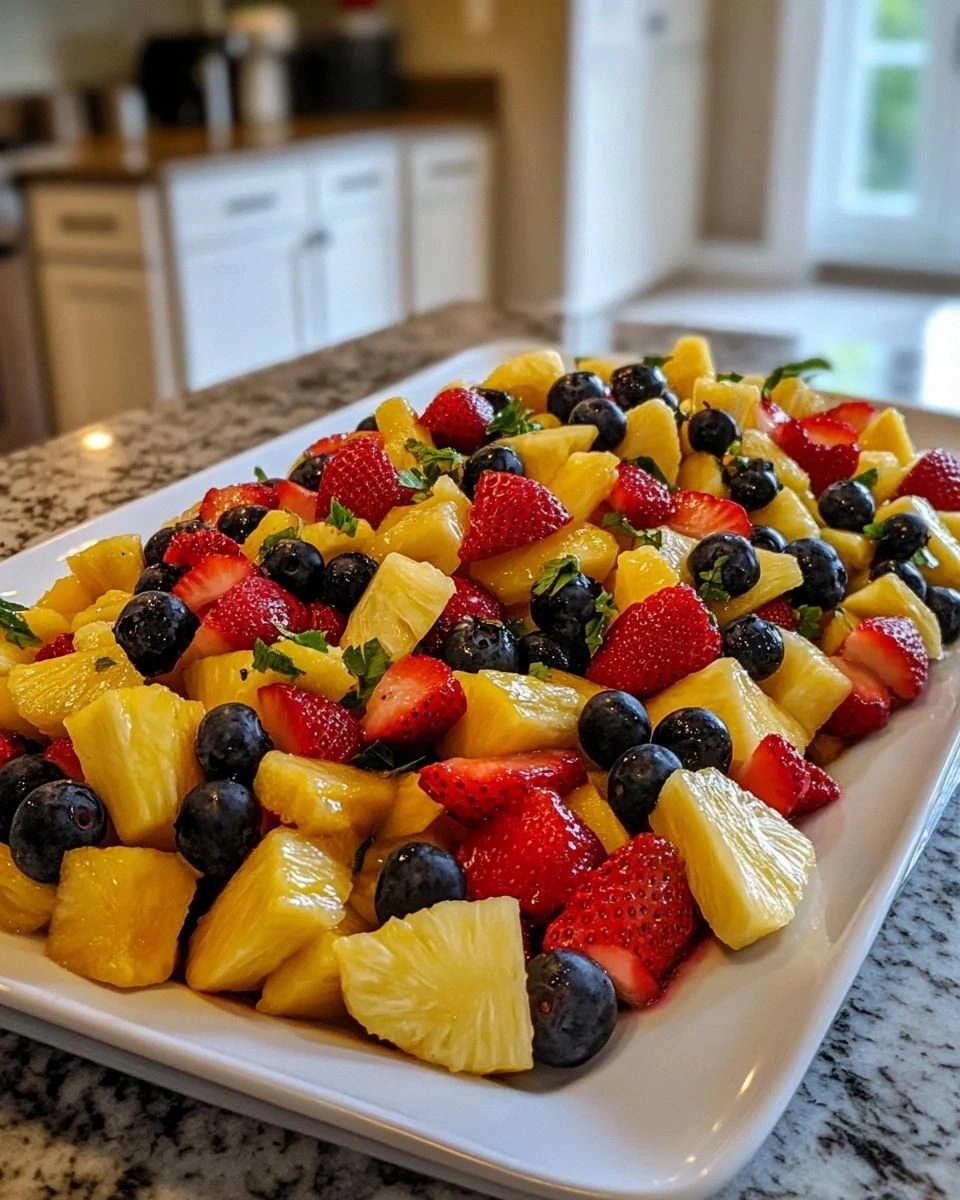
A mix of mango, pineapple, kiwi, strawberries, and blueberries gives you a rainbow of textures: buttery mango, crisp pineapple, tender kiwi, and burst‑ready berries. Each fruit contributes its own vitamin profile—vitamin C from kiwi and pineapple, vitamin A from mango—making the salad a nutritional powerhouse. Skipping any of these reduces both visual appeal and the textural symphony; feel free to substitute papaya or cantaloupe if you prefer.
The Unexpected Star
A pinch of sea salt might sound trivial, but it’s the silent hero that amplifies the honey’s sweetness and balances the lime’s sharpness. Salt also helps draw out a little extra juice from the fruit, creating a natural syrup that melds with the glaze. If you’re watching sodium, a light sprinkle of flaky sea salt works just as well without the grainy feel.
The Final Flourish
Fresh mint leaves add a cooling aftertaste that lingers on the palate, while toasted coconut flakes introduce a nutty crunch that contrasts the juicy fruit. If you’re allergic to nuts, swap the coconut for a sprinkle of chia seeds for a subtle texture boost. When selecting mint, look for bright green leaves with no signs of wilting; they’ll retain their flavor longer.
Everything's prepped? Good. Let's get into the real action...
The Method — Step by Step
Start by gathering all your fruit and giving each piece a quick rinse under cold water. Pat them dry with a clean kitchen towel; excess moisture will dilute the glaze later. While the fruit is drying, zest one lime directly over a small saucepan, making sure to catch only the bright green part—avoid the white pith, which is bitter. This zest is the aromatic foundation of our glaze.
Once zesting is complete, add two tablespoons of honey to the pan. Turn the heat to low and watch the honey begin to bubble—this is the moment where the magic happens. You’ll hear a gentle sizzle, and the honey will take on a light amber hue.
Add the lime juice to the warming honey, stirring constantly. The mixture should come together into a smooth, glossy sauce that smells like a tropical sunrise. Keep the heat low; you don’t want the lime to curdle or the honey to burn. After about 30 seconds, remove the pan from the heat and set it aside to cool slightly—this is the purest version of a fruit‑friendly caramel.
While the glaze cools, dice the mango, pineapple, and kiwi into bite‑size cubes. Slice the strawberries into quarters and keep the blueberries whole. Toss all the fruit into a large mixing bowl, making sure the pieces are evenly distributed so each spoonful offers a balanced bite.
Now for the Kitchen Hack: If you have a silicone spatula, drizzle the warm glaze over the fruit while gently tossing. The heat from the glaze will lightly “cook” the outer layer of the fruit, sealing in juices and giving each piece a subtle sheen. This step is pure magic and makes the salad look restaurant‑ready.
Add the lime zest that you set aside earlier, a pinch of sea salt, and the chopped fresh mint. Toss everything once more, allowing the mint leaves to wilt just enough to release their aroma without turning mushy. The mint should float delicately on top, creating a green‑gold contrast that’s as pleasing to the eye as it is to the tongue.
Watch Out: If you’re using a wooden spoon, be careful not to crush the berries. Over‑mixing can cause the blueberries to burst, turning the glaze into a purple‑stained syrup that overwhelms the subtle flavors.
Finally, sprinkle the toasted coconut flakes over the salad. The coconut should be lightly golden, not burnt; it adds a buttery crunch that complements the soft fruit. Give the salad one last gentle toss, then let it sit for five minutes. This short rest allows the flavors to meld, and the glaze to thicken just enough to coat each fruit piece perfectly.
Serve the salad in a wide, shallow bowl or individual glasses for a stunning presentation. If you’re feeling extra fancy, garnish with an extra lime wedge and a sprig of mint. The dish can be enjoyed immediately, but the best experience comes after the five‑minute rest—trust me, the texture and taste are worth the wait.
That's it — you did it. But hold on, I've got a few more tricks that'll take this to another level...
Insider Tricks for Flawless Results
The Temperature Rule Nobody Follows
Never let the honey glaze get hotter than a gentle simmer; anything above 120°F (49°C) starts to break down the delicate floral notes and can turn bitter. I once tried to speed up the process by cranking the heat, and the glaze ended up tasting like burnt sugar. Keep the flame low, and you’ll preserve that bright honey‑lime perfume. Pro tip: Use a candy thermometer if you’re unsure—once the mixture reaches 115°F (46°C), you’re good to go.
Why Your Nose Knows Best
Your sense of smell is a reliable indicator of flavor balance. When the glaze is done, you should smell a sweet‑tart fragrance with a hint of citrus oil. If the aroma leans too heavily toward honey, add a splash more lime juice. If it’s overly sharp, drizzle a tiny bit more honey. Trusting your nose saves you from over‑adjusting with measurements alone.
The 5‑Minute Rest That Changes Everything
Allowing the salad to rest for just five minutes after tossing lets the glaze settle and the fruit release a tiny amount of its own juices, creating a natural syrup. Skipping this step results in a salad that feels dry and the flavors remain separated. I once served it straight away at a brunch, and the guests said the dressing tasted “thin.” Lesson learned: patience is delicious.
Mint Timing Mastery
Add the mint at the very end of mixing; this prevents the leaves from wilting too much and losing their bright flavor. If you add mint too early, the heat from the glaze can bruise the leaves, turning them bitter. A quick tear of the leaves before adding them also releases more essential oils without over‑processing.
Coconut Crunch Control
To keep the coconut from getting soggy, toss it in just before serving. The coconut’s crunch is a textural highlight; if it sits in the glaze for too long, it absorbs moisture and becomes chewy. A quick sprinkle right before plating ensures every bite has that satisfying snap.
Seasonal Swaps Made Simple
If mangoes are out of season, substitute with ripe papaya or even diced peaches. The key is to keep the fruit firm enough to hold its shape when tossed with the glaze. A friend once tried using overripe bananas, and the salad turned into a mushy mess—don’t let that happen to you.
Creative Twists and Variations
This recipe is a playground. Here are some of my favorite ways to switch things up:
Tropical Heatwave
Add a finely diced jalapeño or a pinch of red pepper flakes to the glaze for a subtle kick. The heat pairs beautifully with the sweet fruit and makes the dish perfect for summer barbecues where guests love a little spice.
Berry‑Blast Medley
Swap mango and pineapple for an all‑berry mix—raspberries, blackberries, and sliced strawberries. The result is a deeper, richer color and a slightly tart profile that still benefits from the honey‑lime glaze.
Herbal Elegance
Replace mint with a handful of fresh basil or cilantro for an herbaceous twist. Basil adds a sweet‑peppery note that complements the lime, while cilantro brings a bright, almost citrusy flavor that elevates the salad.
Nutty Crunch
If you’re not a coconut fan, toss in toasted sliced almonds or chopped pistachios. The nuts add a buttery richness and a satisfying crunch that stands up well against the juicy fruit.
Dessert‑Style Drizzle
Finish the salad with a light drizzle of vanilla‑infused Greek yogurt or a dollop of whipped coconut cream. This transforms the dish from a light side into a decadent dessert while keeping the refreshing vibe.
Storing and Bringing It Back to Life
Fridge Storage
Transfer any leftovers to an airtight container and store in the refrigerator for up to 48 hours. The glaze will thicken slightly, but a quick stir before serving will re‑emulsify it. If the fruit looks a bit soggy, add a splash of fresh lime juice to revive the brightness.
Freezer Friendly
While fruit salads aren’t typically frozen, you can freeze the fruit mixture without the glaze for up to 2 months. Thaw in the fridge, then re‑make the honey‑lime glaze and toss just before serving. This method preserves the texture of the fruit better than freezing the whole salad.
Best Reheating Method
If you need to warm the salad slightly—perhaps for a warm fruit compote—add a teaspoon of water to the glaze and gently warm over low heat, stirring constantly. The added moisture creates steam that revives the fruit’s juiciness without cooking it.