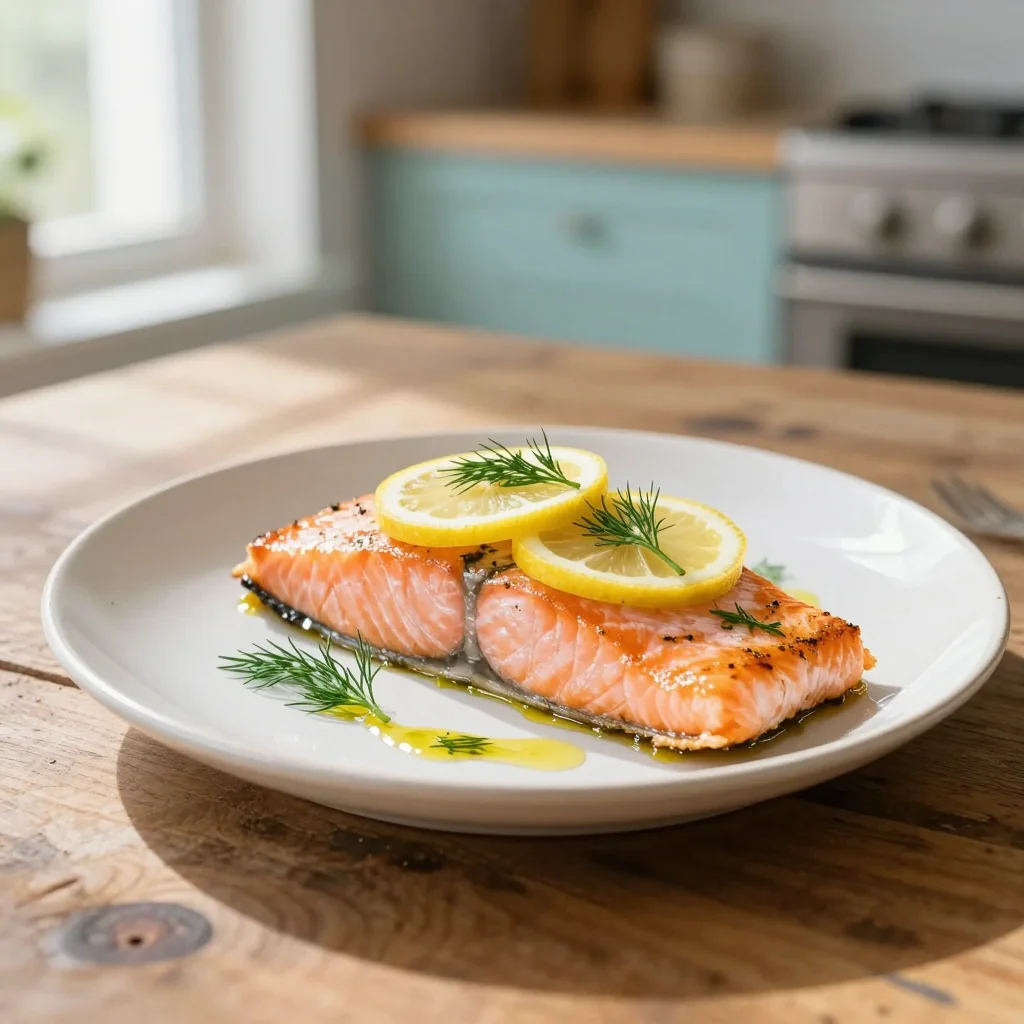
A bright, buttery salmon baked to perfection with fragrant lemon and fresh dill – the ultimate weeknight dinner that feels like a seaside escape.
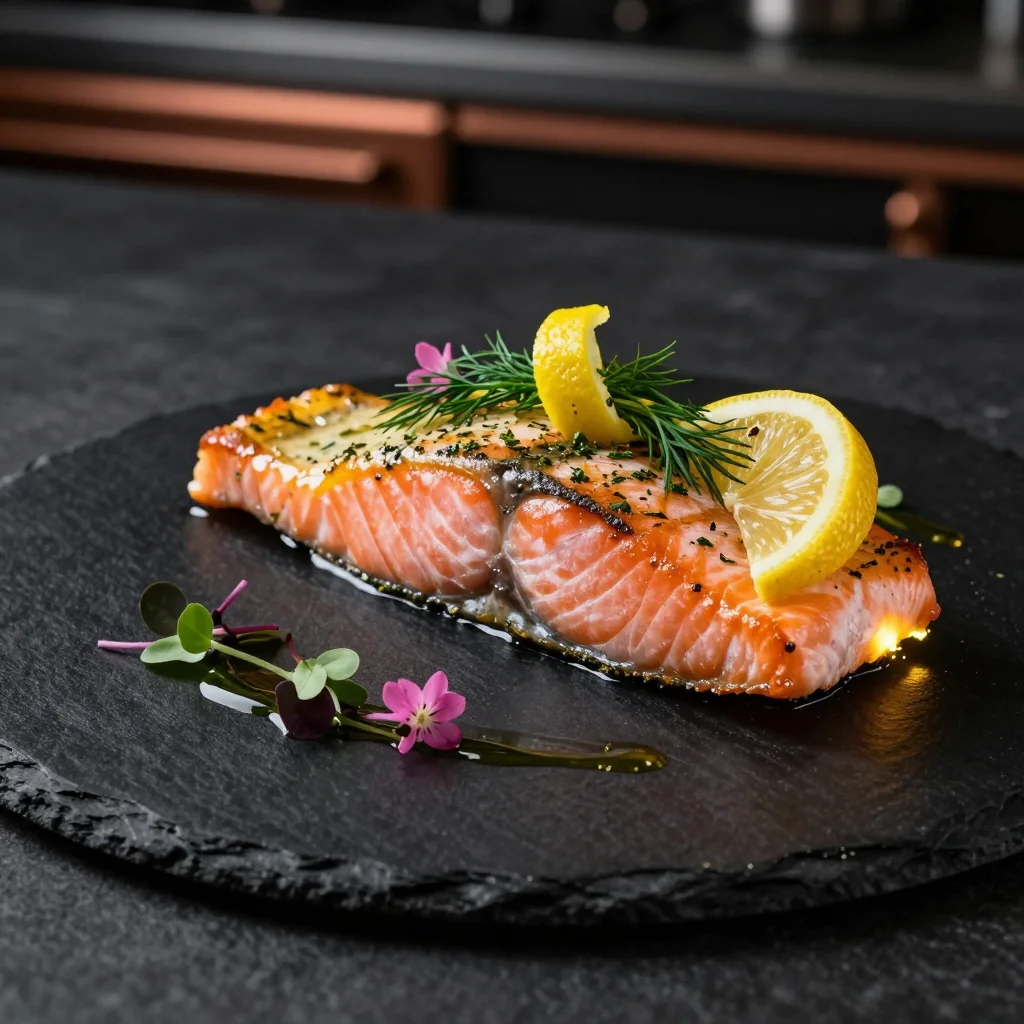
There’s something magical about the first time I tasted a perfectly baked salmon fillet, its flesh tender and flaky, kissed by the citrusy perfume of lemon and the herbaceous whisper of dill. I was on a breezy summer evening in a small coastal town in Maine, perched on a weather‑worn pier, watching gulls dance above the water. A local chef handed me a modest plate of salmon, and the moment the fork sank into the buttery flesh, the flavors sang together like a well‑rehearsed choir.
That memory sparked my lifelong fascination with seafood that respects its natural taste while being elevated by simple, fresh ingredients. The dish I’m sharing today is rooted in that philosophy: it celebrates the natural richness of salmon, brightened by lemon’s acidity and dill’s garden‑fresh notes. It’s a classic preparation in many Northern European cuisines, yet it’s easy enough for a busy weekday and elegant enough for a weekend gathering.
In this article, you’ll discover the exact steps I use to achieve a perfectly moist interior and a lightly caramelized exterior, why each ingredient matters, and how to tweak the recipe for different dietary needs. By the end, you’ll feel confident to serve this dish to family, friends, or even just treat yourself after a long day.
Let’s dive into the kitchen together and turn a simple salmon fillet into a culinary celebration.
🌟 Why This Recipe Will Capture Your Heart
From the first bite to the lingering aroma, this baked salmon balances health, flavor, and simplicity in a way that makes it a repeat favorite.
- ✨ Quick, No‑Fuss Preparation: With only a handful of ingredients and a single sheet‑pan, you can have dinner on the table in under 40 minutes.
- ✨ Nutrient‑Rich Meal: Salmon delivers high‑quality omega‑3 fatty acids, while lemon adds vitamin C and dill contributes antioxidants.
- ✨ Versatile Pairings: Works beautifully with roasted vegetables, light salads, or a fragrant quinoa pilaf, letting you customize the side dish.
- ✨ Crowd‑Pleaser: The bright citrus notes make the dish feel light, yet the buttery texture satisfies even the most discerning palates.
- ✨ Minimal Cleanup: One‑pan cooking means fewer dishes, giving you more time to enjoy the meal and conversation.
- ✨ Scalable: The built‑in portion adjuster lets you easily scale the recipe from a solo dinner to a family feast without guessing quantities.
🥗 The Ingredients
📝 Complete Ingredient List
For the Salmon:
For the Lemon‑Dill Marinade:
Optional Garnish:
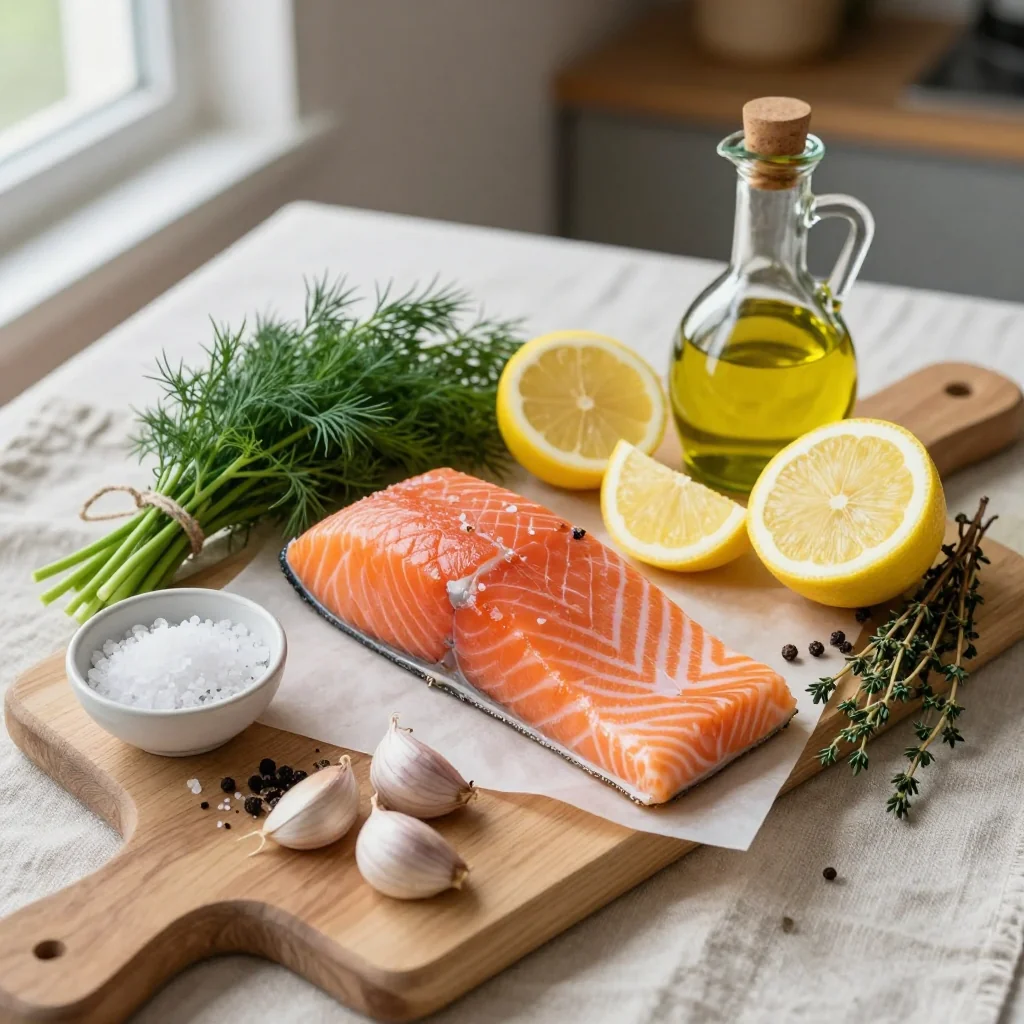
🔍 Focus on Key Ingredients
Salmon Fillets
Salmon is the star of this dish. Its rich, oily flesh provides a buttery texture that stays moist when baked at a moderate temperature. When selecting salmon, look for firm flesh that springs back when pressed and a bright pink color; this indicates freshness. Wild‑caught varieties tend to have a deeper flavor and higher omega‑3 content compared to farmed, though both work well.
Lemon
Lemon adds acidity that cuts through the salmon’s natural richness, creating a balanced palate. The zest carries volatile oils that enhance aroma, while the juice gently “cooks” the surface, encouraging a subtle caramelization. For the brightest flavor, use freshly squeezed lemon juice and thin slices that can release their oils during baking.
Fresh Dill
Dill’s feathery, slightly sweet flavor is a classic companion to fish. Its essential oils bring a garden‑fresh note that pairs perfectly with lemon’s citrus brightness. When chopping dill, use a sharp knife and add it at the end of the preparation to preserve its delicate flavor.
🔄 Quick Substitutions
| If you don’t have... | Use instead... |
|---|---|
| Salmon fillets | Trout or Arctic char fillets |
| Fresh dill | Fresh tarragon or parsley (different flavor profile) |
| Lemon | Lime or orange (adjust sweetness) |
👨🍳 Step‑by‑Step Instructions
Follow these detailed steps to achieve a perfectly baked salmon that’s juicy, fragrant, and beautifully presented.
📋 Phase 1: Preparation & Mise en Place
Gather, measure, and pre‑heat before you begin.
Preheat the Oven
Set your oven to 200 °C (390 °F) and let it fully preheat for at least 10 minutes. A hot oven ensures the salmon skin crisps slightly while the flesh stays tender. Position the rack in the middle of the oven to promote even heat distribution.
Prepare the Baking Sheet
Line a rimmed baking sheet with parchment paper or a silicone mat. This prevents sticking and makes cleanup a breeze. Lightly drizzle a teaspoon of olive oil on the parchment to add a subtle sheen.
Season the Salmon
Pat each salmon fillet dry with paper towels; excess moisture hinders browning. Place the fillets skin‑side down on the prepared sheet. Drizzle the olive oil evenly, then sprinkle salt and black pepper. Use your fingertips to gently rub the seasoning into the flesh for uniform coverage.
🔥 Phase 2: Baking & Flavor Development
Combine aromatics and bake until perfectly cooked.
Arrange Lemon Slices & Dill
Lay thin lemon slices over each fillet, overlapping slightly to create a fragrant blanket. Sprinkle the chopped dill evenly across the top. The lemon will release juices as it bakes, infusing the salmon with citrus aroma, while the dill adds a fresh, herbaceous lift.
Drizzle Butter & Finish with Olive Oil
Warm the melted butter slightly and drizzle it over the lemon‑dill layer. Finish with a final drizzle of the remaining olive oil. This combination creates a glossy finish and adds a subtle richness that balances the acidity.
Bake the Salmon
Place the sheet in the preheated oven and bake for 12‑15 minutes, depending on fillet thickness. The internal temperature should reach 57 °C (135 °F) for medium‑rare or 63 °C (145 °F) for well‑done. The flesh should flake easily with a fork but still retain a moist, pink center.
✨ Phase 3: Finishing Touches & Plating
Ensure perfect doneness, then present beautifully.
Check for Doneness
Insert a thin knife or instant‑read thermometer into the thickest part of the fillet. If the flesh separates easily and the temperature is within the target range, the salmon is ready. Let it rest for 2 minutes; residual heat will finish the cooking gently.
Plate the Salmon
Transfer each fillet to a warmed plate using a wide spatula. Spoon any pan juices over the top, then garnish with optional capers and a sprinkle of fresh parsley for color contrast. A final zest of lemon adds a bright visual pop.
Serve Immediately
Pair the salmon with a light side—such as a cucumber‑mint salad or quinoa pilaf—and serve while warm. The dish shines when enjoyed promptly, allowing the citrus aroma to remain vivid.
💡 Expert Tips & Tricks
🛒 Choosing the Best Ingredients
When shopping for salmon, prioritize wild‑caught fillets that have a deep pink hue and a firm texture. Avoid any that appear grayish or have a mushy feel. For lemon, pick fruit that feels heavy for its size; this indicates high juice content. Fresh dill should be bright green, not wilted, and its leaves should release a sweet, anise‑like scent when rubbed.
🔪 Preparation Techniques
Pat the salmon dry before seasoning; moisture creates steam, which prevents the skin from crisping. When mincing garlic, use a micro‑plane for a fine paste that distributes evenly without burning. Chop dill just before use to preserve its volatile oils; a rough chop keeps the texture pleasant.
🌡️ Mastering the Cooking Process
Preheat the oven fully and use a calibrated thermometer to ensure accurate temperature. Baking at 200 °C creates a gentle, even heat that cooks the interior while lightly caramelizing the lemon slices. If you prefer a slightly crispier top, broil for the last 2 minutes, watching closely to avoid burning.
🍽️ Presentation & Service
Arrange the salmon on a white or light‑colored plate to let the golden hue stand out. Add a few extra lemon wedges on the side for an elegant touch, and drizzle a teaspoon of high‑quality extra‑virgin olive oil just before serving for a glossy finish. A sprinkle of sea salt flakes adds a delicate crunch.
🏆 Pro Tips
Professional chefs rely on precision and subtle adjustments to elevate a dish from good to unforgettable.
- 🎯 Use a Salt Crust: Lightly coating the salmon with a thin layer of kosher salt before baking helps retain moisture and creates a subtle brine effect, enhancing flavor without making the fish salty.
- 🎯 Finish with a Citrus‑Butter Emulsion: Whisk together melted butter, lemon juice, and a pinch of zest off the heat. Drizzle this emulsion over the salmon just before serving for a silky, glossy coating that amplifies the citrus notes.
- 🎯 Temperature‑Controlled Baking: If you have a sous‑vide setup, pre‑cook the salmon at 55 °C for 20 minutes, then finish in the oven for 5 minutes to achieve a uniformly tender texture with a lightly browned surface.
- 🎯 Layer Flavors with Herb Butter: Mix softened butter with chopped dill, chives, and a dash of lemon zest. Place a small pat of this herb butter on each fillet right after it exits the oven; it melts instantly, infusing the fish with herbaceous richness.
- 🎯 Smoke the Lemon Slices: Lightly char the lemon slices on a grill before placing them on the salmon. This adds a smoky depth that balances the bright acidity.
- 🎯 Plate Temperature: Warm the plates in the oven at low heat (about 60 °C) before plating. Warm plates keep the salmon hot longer and prevent the butter from solidifying.
"The secret to great fish is never to overcook it; let the natural flavors shine with simple, high‑quality ingredients." — Thomas Keller
🔄 Variations & Adaptations
This recipe is a flexible canvas. Below are several ways to tailor it to different tastes, dietary needs, and cultural twists.
🥬 Vegetarian / Vegan Version
Replace salmon with thick slices of firm tofu or cauliflower steaks. Marinate the tofu in the same lemon‑dill mixture, adding a splash of soy sauce for umami. Bake at the same temperature, extending the time to 20‑25 minutes until golden.
- Substitution 1: 400 g firm tofu, pressed and sliced ½ inch thick.
- Substitution 2: 1 large cauliflower head, cut into 1‑inch thick “steaks”.
🌶️ Flavor Variations
Play with the aromatic profile by swapping or adding complementary ingredients.
Spicy Kick
Add ½ tsp red pepper flakes to the olive oil before drizzling, or finish with a drizzle of harissa for a North African heat.
Mediterranean Twist
Include sliced Kalamata olives and a sprinkle of feta cheese after baking. A dash of oregano complements the lemon and dill beautifully.
Asian Inspired
Replace dill with fresh cilantro, add a splash of soy sauce to the butter, and garnish with toasted sesame seeds and thinly sliced scallions.
⚠️ Dietary Adjustments
Gluten‑Free
All ingredients are naturally gluten‑free; just ensure any added side dishes (like sauces) are also free of wheat.
Lactose‑Free
Swap butter for a plant‑based alternative such as olive oil‑based margarine or a drizzle of coconut oil for a subtle tropical note.
Low‑Calorie
Reduce olive oil to 1 tbsp, omit the butter, and serve with a large mixed green salad dressed lightly with lemon vinaigrette. This cuts calories while keeping the dish satisfying.
👶 Family / Kids Version
Kids often prefer milder flavors. Reduce the black pepper and omit the lemon zest. Serve the salmon cut into bite‑size pieces alongside a creamy avocado dip and soft, buttery rice.
📦 Storage & Reheating
🧊 Conservation
Refrigerator
- Duration: 3 days
- Container: Airtight glass container
- Tip: Store the lemon slices separately to prevent sogginess.
Freezer
- Duration: 2 months
- Method: Portion the cooked fillets, wrap tightly in plastic wrap, then place in a freezer‑safe bag.
- Defrosting: Transfer to the refrigerator overnight; reheat gently.
💡 For best texture, reheat only the portion you intend to eat rather than the entire batch.
♨️ Reheating
🔥 Oven (Recommended)
- Preheat to 150 °C (300 °F).
- Cover the salmon loosely with aluminum foil to retain moisture.
- Heat for 10‑12 minutes, until the interior reaches 60 °C (140 °F).
- Remove foil and bake an additional 2 minutes to revive the crust.
⚡ Microwave (Quick)
- Place salmon on a microwave‑safe plate, cover with a microwave‑safe lid.
- Heat on medium power for 1 minute, then check.
- Continue in 30‑second increments until warmed through.
🍳 Stovetop
Heat a non‑stick skillet over low heat, add a splash of water or broth, cover, and warm for 3‑4 minutes, turning once.
🍷 Perfect Pairings
🥗 Side Dishes
- Herbed Quinoa Pilaf: Light, fluffy quinoa tossed with parsley, lemon zest, and toasted almonds complements the fish without overpowering it.
- Cucumber‑Mint Salad: Crisp cucumber, fresh mint, and a drizzle of yogurt‑lemon dressing add a cooling contrast.
- Roasted Asparagus: Tossed with olive oil, sea salt, and a squeeze of lemon, the asparagus mirrors the citrus theme.
🍷 Wine & Beverage Pairings
- Sauvignon Blanc: Its bright acidity and herbaceous notes echo the lemon‑dill flavor.
- Chardonnay (unoaked): Offers a buttery mouthfeel that matches the salmon’s richness.
- Non‑Alcoholic: Sparkling water with a splash of lime and a sprig of dill keeps the palate refreshed.
🍰 Completing the Meal
Start with a light citrus‑infused gazpacho or a chilled avocado soup. For dessert, serve a delicate lemon panna cotta topped with fresh berries, or a honey‑drizzled Greek yogurt parfait for a light, sweet finish.
❓ Frequently Asked Questions
Q: Can I use frozen salmon instead of fresh?
Yes, frozen salmon works well if it’s properly thawed first. Place the frozen fillets in the refrigerator overnight or submerge them in a sealed bag of cold water for 30‑45 minutes. Pat dry before seasoning to avoid excess moisture, which can affect browning.
Q: How do I know when the salmon is perfectly cooked?
The best indicator is internal temperature: 57 °C (135 °F) for medium‑rare or 63 °C (145 °F) for well‑done. Visually, the flesh should be opaque on the edges and still slightly translucent in the center. It should flake easily with a fork but not crumble.
Q: My salmon turned out dry—what went wrong?
Overbaking is the most common cause. Ensure the oven is preheated and start checking at 12 minutes. Also, pat the fillets dry before seasoning, and avoid excessive salt, which can draw out moisture. Using a portion adjuster helps maintain the correct ratio of oil to fish.
Q: Can I add a sauce after baking?
Absolutely. A simple dill‑yogurt sauce (Greek yogurt, chopped dill, lemon juice, and a pinch of salt) pairs beautifully. Drizzle it over the plated salmon just before serving for added creaminess.
Q: I’m allergic to dill—what can I substitute?
Fresh tarragon offers a slightly sweet, anise‑like flavor that works well. Alternatively, flat‑leaf parsley combined with a touch of lemon zest can provide freshness without the dill’s distinct taste.
Q: Is it possible to prepare this recipe ahead of time?
Yes. You can assemble the salmon with lemon slices and dill up to 2 hours before baking, keeping it covered in the refrigerator. This allows the flavors to meld, and you can bake it directly when ready.
🎉 To Your Kitchen!
This baked salmon with lemon and dill is more than a recipe; it’s a celebration of simplicity, freshness, and the joy of cooking with seasonal ingredients. By following the steps, you’ll achieve a dish that’s both nutritionally balanced and bursting with bright, herbaceous flavor. Whether you serve it for a quick family dinner or as the centerpiece of a special gathering, the combination of buttery salmon, aromatic dill, and zesty lemon will leave a lasting impression.
Give it a try, experiment with the variations, and share your results. Your feedback helps the community grow, and your photos inspire others to bring the sea’s bounty to their tables.
Have you tried this recipe?
Leave a comment and rating below! Share your photos on Instagram with #LemonDillSalmon for a chance to be featured on our homepage.
Baked Salmon with Lemon and Dill
A bright, buttery salmon baked with fragrant lemon slices and fresh dill for a seaside‑inspired dinner.
📝 Ingredients
Salmon
Lemon‑Dill Marinade
Optional Garnish
👨🍳 Instructions
- 1 Preheat the oven to 200 °C (390 °F) and prepare a rimmed baking sheet with parchment.
- 2 Pat salmon fillets dry, place skin‑side down, drizzle with olive oil, and season with salt and pepper.
- 3 Lay lemon slices over each fillet, sprinkle chopped dill, and drizzle melted butter.
- 4 Bake for 12‑15 minutes, checking for an internal temperature of 57 °C (135 °F) for medium‑rare.
- 5 Remove from oven, let rest 2 minutes, then drizzle pan juices over the top.
- 6 Garnish with capers and fresh parsley if desired.
- 7 Serve alongside your choice of side dishes and enjoy.
- 8 Store leftovers in an airtight container; reheat gently in the oven.
- 9 Adjust portions using the selector above; ingredient amounts will update automatically.
- 10 Share your creation on social media with #LemonDillSalmon and let us know how it turned out!
🥗 Nutritional Information (per serving)
*Values are estimates based on standard ingredient measurements.
📚 You Might Also Like
Grilled Shrimp Skewers with Garlic and Herbs
Pan‑Seared Sea Bass with Tomato Basil Sauce
Lemon Garlic Butter Scallops


💬 Comments & Reviews
Leave a Comment
No comments yet. Be the first to share your thoughts!