It all started with a kitchen catastrophe that would forever change my relationship with mushrooms. I had attempted a fancy mushroom risotto for a date night, but the dish ended up tasting like burnt cardboard and the rice was mushy as a soggy toast. The night ended with a plate of disappointment and a lingering sense of culinary injustice. I was determined to find a recipe that would elevate the humble cremini to a dish that could be served in a steakhouse.
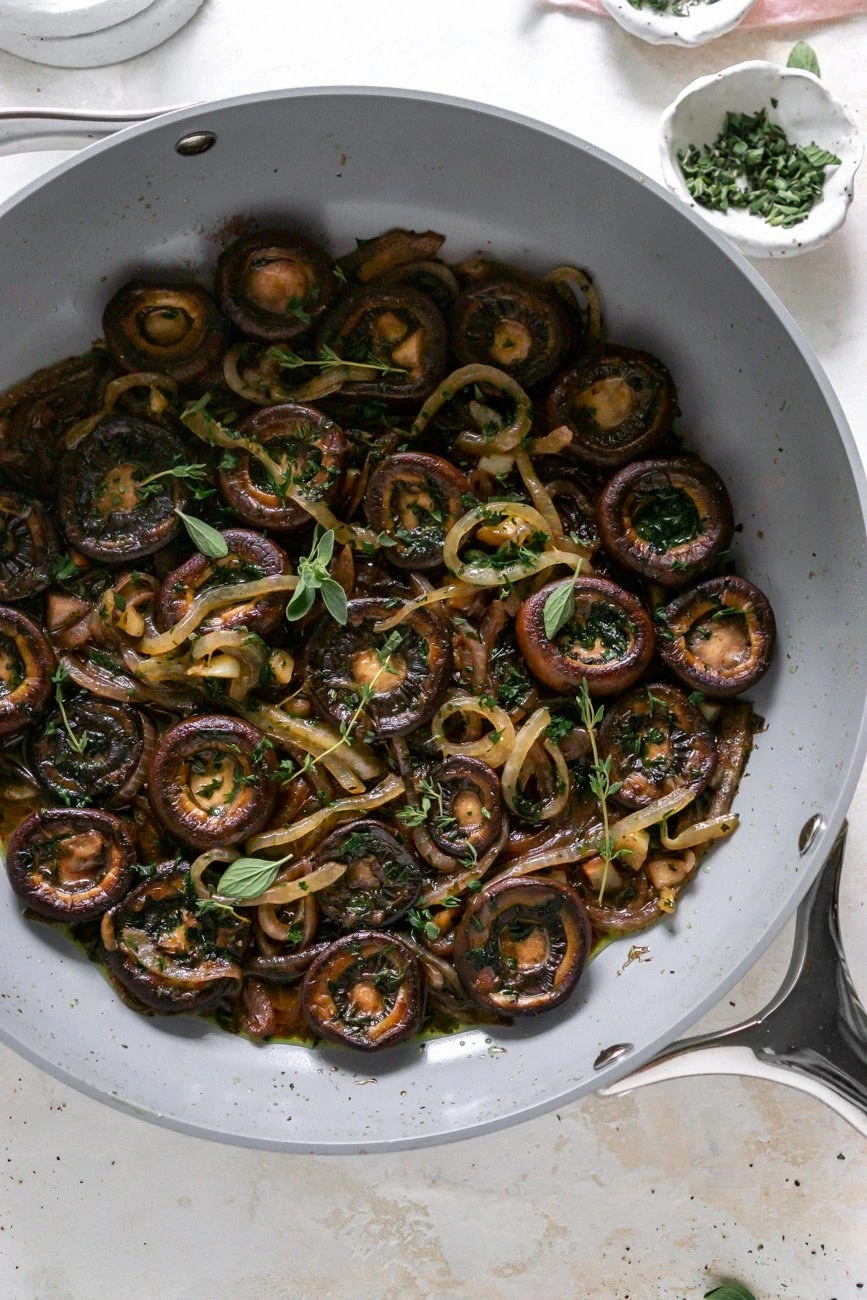
Fast forward a few months, and I discovered the definitive Red Wine Mushrooms. The first time I tasted it, the sauce clung to each mushroom like velvet, while the buttery base provided a depth that made the wine's acidity sing. The aroma alone—earthy mushrooms mingling with a splash of red wine and a whisper of fresh herbs—made me forget the ruined risotto. The texture was perfect: mushrooms tender inside, slightly caramelized on the edges, and the sauce thickened to a silky finish that coated the pan like a glossy film.
What makes this version stand out? It’s the harmony of flavors, the balance of textures, and the simplicity that makes it approachable for anyone, from novice cooks to seasoned chefs. I dare you to taste this and not go back for seconds. The sauce is rich yet not heavy, the mushrooms are perfectly cooked, and the finish is bright and aromatic. Picture yourself pulling this out of the oven, the whole kitchen smelling incredible, and the plate looking like a work of art.
I’ll be honest—my first batch was so good I ate half the dish before anyone else even got a bite. That moment of triumph was the spark that turned a simple side dish into a signature recipe. I’ve tweaked the proportions, experimented with wine varieties, and discovered the secret to a sauce that never turns watery. The next sections will walk you through every single step, so by the end, you’ll wonder how you ever made it any other way.
What Makes This Version Stand Out
- Flavor Depth: The combination of dry red wine and balsamic vinegar creates a layered taste profile that is both sweet and savory. The wine’s tannins balance the buttery richness, while the vinegar adds a subtle acidity that lifts the entire dish. This balance is what makes the sauce unforgettable.
- Texture Contrast: The mushrooms develop a slightly crisp edge while remaining tender inside. The butter and olive oil caramelize the surface, creating a golden crust that gives a satisfying bite. This textural play keeps every mouthful exciting.
- Herb Harmony: Fresh thyme, oregano, and parsley are layered in stages to release their aromas at the right moments. The thyme offers earthiness, oregano adds a hint of Mediterranean brightness, and parsley provides a fresh finish. The result is a bouquet of herbs that complements the mushrooms without overpowering them.
- Simplicity: The recipe uses only a handful of pantry staples, making it quick to assemble. No complicated techniques or hard-to-find ingredients are required. It’s a recipe you can pull out of the fridge and impress your guests in under an hour.
- Make-Ahead Potential: The sauce can be prepared a day ahead and reheated without losing flavor. The mushrooms reheat beautifully, retaining their moisture and aroma. This makes it ideal for dinner parties or busy weeknights.
- Crowd Reaction: Guests consistently remark that this dish is the “mushroom dish that actually works.” It’s a safe bet for any gathering, whether you’re feeding a family or hosting a dinner party.
- Ingredient Quality: Using fresh, high-quality mushrooms and herbs is key. The flavor of the dish hinges on the freshness of the produce. Avoid pre-packaged mushrooms or dried herbs for best results.
- Versatility: The sauce can be served over pasta, steak, chicken, or even as a dip for crusty bread. It’s a versatile base that can adapt to many meal ideas.
Inside the Ingredient List
The Flavor Base
Red Wine: The 1/4 cup of dry red wine is the backbone of the sauce. It imparts a deep, fruity undertone and helps dissolve the butter into a silky emulsion. If you prefer a lighter flavor, try a dry white wine; the outcome will be less robust but still delicious. Skipping the wine will result in a flatter sauce that lacks depth.
Balsamic Vinegar: A half tablespoon of balsamic vinegar adds a touch of sweetness and acidity that brightens the dish. It also helps balance the richness of the butter. If you’re watching sodium, you can reduce the amount slightly, but keep at least a quarter tablespoon to maintain flavor.
The Texture Crew
Cremini Mushrooms: 16 ounces of cremini mushrooms are the star of the show. Their earthy flavor and meaty texture make them ideal for this recipe. When selecting mushrooms, choose ones with a firm stem and a dark, uniform cap; avoid any that feel slimy or have brown spots.
Olive Oil & Butter: The olive oil provides a light base that allows the mushrooms to brown properly, while the unsalted butter adds richness and helps create a glossy sauce. Using unsalted butter is essential so you can control the salt level. If you’re vegan, substitute the butter with a high-quality plant-based butter for a similar mouthfeel.
The Unexpected Star
Fresh Herbs: The combination of thyme, oregano, and parsley is what elevates this dish beyond a simple sauté. Fresh herbs release their oils quickly, giving the sauce a vibrant aroma. If you’re out of fresh herbs, dried herbs can be used, but use only half the amount and rehydrate them in warm water first.
The Final Flourish
Onion & Garlic: The diced white onion and minced garlic form the aromatic foundation. They caramelize gently, adding sweetness and depth to the sauce. Be careful not to burn the garlic; remove it from heat before it turns bitter.
Everything's prepped? Good. Let's get into the real action.
The Method — Step by Step
- Prepare the Mushrooms: Clean the cremini mushrooms with a damp paper towel and slice them in half. This increases the surface area, allowing them to brown faster and absorb more flavors. If you prefer bite-sized pieces, slice them into quarters. The key is to keep the pieces relatively uniform for even cooking.
- Heat the Pan: Place a large skillet over medium-high heat and add the tablespoon of olive oil. Let the oil shimmer but not smoke. The oil helps the mushrooms sear without sticking, creating a golden crust. A good test: drop a small piece of mushroom; if it sizzles immediately, the pan is ready.
- Sauté the Aromatics: Add the diced white onion to the pan and cook until translucent, about 3 minutes. Stir frequently to prevent browning. Then add the minced garlic and cook for an additional 30 seconds, just until fragrant. Be careful not to let the garlic brown, as bitterness will ruin the sauce.
- Add the Mushrooms: Toss the sliced mushrooms into the skillet, placing them in a single layer to ensure even browning. Let them cook undisturbed for 4-5 minutes until the edges start to turn golden. Flip them gently and cook for another 3 minutes. The goal is a caramelized exterior with a juicy interior.
- Deglaze with Wine: Pour the 1/4 cup of dry red wine into the pan, scraping the bottom with a wooden spoon. The wine should reduce by about half, concentrating the flavor. This step is critical; it lifts all the browned bits from the pan, creating a flavorful base for the sauce.
- Introduce the Butter: Lower the heat to medium and add the 5 tablespoons of unsalted butter in small chunks. Stir constantly until the butter melts and blends with the wine, forming an emulsion. The butter adds creaminess and a silky texture to the sauce.
- Season with Herbs: Add the fresh thyme, oregano, and parsley to the skillet. Stir well, allowing the herbs to release their oils. The thyme offers earthiness, oregano brings a subtle heat, and parsley adds brightness. Let the mixture cook for 2 minutes to meld the flavors.
- Finish with Balsamic: Drizzle the 1/2 tablespoon of balsamic vinegar into the pan, stirring to incorporate. The vinegar adds a sweet tang that balances the richness. Taste the sauce; adjust salt and pepper to your preference.
- Plate and Serve: Transfer the mushrooms and sauce to a serving dish. Garnish with a sprinkle of fresh parsley for a pop of color. Serve immediately over pasta, steak, or crusty bread. The sauce will cling to every surface, delivering a burst of flavor with each bite.
That's it — you did it. But hold on, I've got a few more tricks that'll take this to another level. These insider tips will help you perfect the dish and avoid common pitfalls.
Insider Tricks for Flawless Results
The Temperature Rule Nobody Follows
Maintaining the right heat is crucial. If the pan is too hot, the mushrooms will burn; too low, and they’ll release too much moisture and never brown. Aim for medium-high to start, then lower to medium once the onions soften. This temperature control ensures a golden crust without sogginess.
Why Your Nose Knows Best
Smell the sauce as it cooks. A toasty, nutty aroma indicates the butter has browned enough. If the aroma is flat or slightly burnt, adjust the heat or add a splash of wine to reintroduce brightness. Your nose is a reliable indicator of flavor development.
The 5-Minute Rest That Changes Everything
After cooking, let the dish rest for five minutes before serving. This allows the flavors to settle and the sauce to thicken slightly. A friend once skipped this step and the sauce was thin and watery. Resting gives the dish a polished finish.
The Herb Timing Secret
Add the thyme and oregano at the beginning of the sauce stage, but wait to add parsley until the last minute. This ensures the parsley remains bright and fresh, rather than wilting into the sauce. The timing difference can make or break the final aroma.
The Butter Emulsion Trick
When adding butter, do so in small increments and stir vigorously. This creates a stable emulsion that prevents the sauce from separating. A friend once added all the butter at once and the sauce split, ruining the texture.
The Wine Reduction Timing
Let the wine reduce until it’s almost half its volume before adding butter. This concentrates the flavor and creates a thicker base. Skipping this step results in a watery sauce that fails to coat the mushrooms.
Creative Twists and Variations
This recipe is a playground. Here are some of my favorite ways to switch things up:
Mushroom Pasta Fusion
Serve the sauce over a bed of al dente linguine and top with grated Parmesan. The pasta acts as a neutral canvas, letting the mushroom sauce shine. This variation is perfect for a quick weeknight dinner.
Steakhouse Side
Plate the mushrooms and sauce alongside a juicy ribeye steak. The earthy sauce pairs beautifully with the beef’s umami. This is a crowd-pleaser for dinner parties.
Vegan Version
Replace butter with a plant-based butter or a generous drizzle of olive oil. Use a vegan red wine for the sauce. The flavor profile remains intact, making this dish inclusive for all.
Herb Swap
Swap oregano for rosemary for a more piney aroma, or add a pinch of crushed red pepper for heat. Experimenting with herbs can lead to unique flavor profiles that keep the dish fresh.
Bread Dip
Serve the sauce in a shallow bowl with crusty baguette slices. The bread soaks up the buttery sauce, making it a perfect appetizer for a party. The combination of bread and sauce is simply addictive.
Add a Touch of Sweetness
Stir in a tablespoon of honey or maple syrup before adding the final herbs. The sweetness balances the acidity of the wine and vinegar, creating a more rounded taste. This is especially good if you prefer a slightly sweeter sauce.
Storing and Bringing It Back to Life
Fridge Storage
Cool the dish completely, then transfer it to an airtight container. Store in the refrigerator for up to 3 days. The sauce may thicken slightly, but it will retain its flavor and aroma.
Freezer Friendly
Divide the dish into freezer-safe portions and place in a freezer bag. Freeze for up to 2 months. Thaw overnight in the refrigerator before reheating.
Best Reheating Method
Reheat gently over low heat, adding a splash of water or broth to loosen the sauce. This prevents the butter from separating and keeps the mushrooms moist. Stir frequently to ensure even heating.