I was standing in my kitchen, staring at a half‑cooked salmon fillet that had somehow turned into a soggy disappointment. The smell of raw fish lingered, the texture felt wrong, and I could already hear my taste buds sighing in protest. I knew I had to salvage the situation before the fillet turned into an unappetizing tragedy. The kitchen was a battlefield, but I was determined to turn it into a culinary victory.
That night, a friend dared me to create the ultimate salmon bowl that would make even the most skeptical foodie swoon. I imagined a dish where buttery richness met zesty garlic, all balanced by a rainbow of veggies. I pictured the sizzle of salmon hitting the pan, the steam rising like a fragrant cloud, and the sound of a timer ticking down to perfection. The anticipation alone made my heart race like a drum solo in a jazz club.
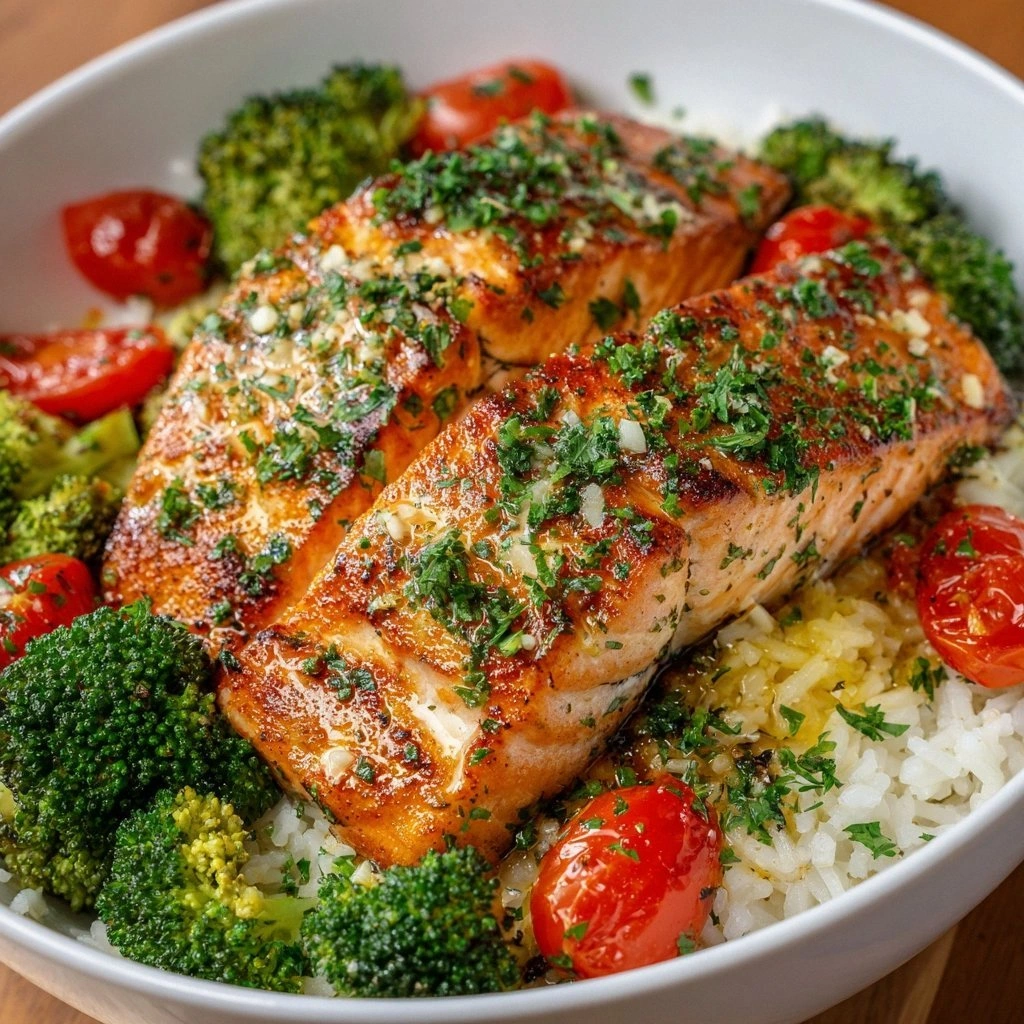
When I finally plated the first bowl, the aroma was intoxicating—garlic, butter, and a hint of lemon dancing together. The salmon was golden, its edges crisped to a buttery crunch that cracked like thin ice. The rice was fluffy, each grain distinct, holding the sauce like a sponge. The broccoli was bright green, the tomatoes burst with sweetness, and parsley added a splash of color.
Let me walk you through every single step—by the end, you'll wonder how you ever made it any other way. This recipe is not just a meal; it's a symphony of flavors, textures, and aromas that will have you asking for seconds. I dare you to taste this and not go back for a second bite. It is hands down the best version you'll ever make at home.
What Makes This Version Stand Out
- Flavor: The garlic butter sauce coats the salmon like velvet, infusing every bite with a savory depth that feels both luxurious and comforting. The subtle citrus note lifts the richness, creating a balanced taste profile that keeps the palate engaged.
- Texture: The salmon achieves a crispy exterior while remaining moist inside, thanks to a quick sear that locks in juices. The broccoli adds a satisfying crunch, and the rice provides a soft, pillowy base that soaks up the sauce.
- Convenience: Every component can be prepped in under 15 minutes, and the cooking time is just 30 minutes, making it ideal for busy weeknights. The method requires minimal tools—just a skillet, a saucepan, and a bowl.
- Ingredient Quality: Fresh, high‑quality salmon and seasonal veggies elevate the dish, turning simple pantry staples into a gourmet experience. The use of unsalted butter allows full control over salt levels.
- Versatility: Swap out rice for cauliflower rice or quinoa, replace broccoli with green beans, or add a dash of hot sauce for a kick. The recipe adapts effortlessly to dietary preferences.
- Visual Appeal: The vibrant colors—golden salmon, green broccoli, red tomatoes, and green parsley—create a plate that looks as good as it tastes. It’s a feast for both the eyes and the taste buds.
- Make‑Ahead Potential: The sauce can be made ahead and reheated without losing flavor, and the salmon can be pre‑seasoned and stored in the fridge for up to 24 hours.
Inside the Ingredient List
The Flavor Base
- Salmon fillets: Fresh or frozen, salmon is the star of this dish, providing rich flavor and healthy omega‑3 fatty acids. If you skip it, the bowl loses its heart—no fish means no main event. Choose fillets that are at least 6 ounces for a satisfying portion.
- Butter: This adds creamy richness to the dish. I prefer unsalted butter so I can control the saltiness. A tablespoon per fillet is enough to create a glossy, buttery coating.
- Garlic: Minced garlic brings an aromatic punch that elevates the entire meal. Fresh garlic is best, but jarred works in a pinch. Use about one clove per fillet for a balanced bite.
The Texture Crew
- Cooked rice: A fluffy base for the bowl, you can use white, brown, or cauliflower rice for a low‑carb option. Rice holds the sauce, preventing the bowl from feeling dry. If you use cauliflower, steam it until tender, then fluff with a fork.
- Broccoli florets: These add a pop of color and nutrition. They should be blanched until bright green but still crisp. If you prefer a softer texture, steam them until just tender.
- Cherry tomatoes: Halved for sweetness and freshness, they brighten up the dish. They also add a burst of juiciness that contrasts with the salmon’s firmness. If you’re in a pinch, use diced bell peppers.
The Unexpected Star
- Fresh parsley: A sprinkle of this herb adds a lovely touch of color and freshness to your finished bowl. Parsley also provides a mild peppery note that balances the buttery sauce. Chop it finely to distribute evenly.
The Final Flourish
- Salt and pepper: Essential for seasoning, these simple ingredients enhance the flavors of the salmon and veggies. Use a pinch of salt and a few cracks of pepper for a balanced seasoning. Over‑salted salmon can ruin the delicate balance.
Everything's prepped? Good. Let's get into the real action.
The Method — Step by Step
Begin by patting the salmon fillets dry with paper towels to ensure a crisp sear. Season both sides generously with salt and pepper, allowing the flavors to penetrate the flesh. This step is crucial for a flavorful crust.
Heat a large skillet over medium‑high heat and add 1 tablespoon of butter. Once the butter foams, slide the salmon fillets skin‑side down into the pan. Let them cook undisturbed for 3–4 minutes until the edges turn golden and the skin releases easily.
Flip the fillets and add 2 minced garlic cloves to the pan. As the garlic releases its aroma, spoon the melted butter over the salmon to keep it moist. This creates a rich, garlicky sauce that clings to the fish.
After 3 minutes, reduce the heat to medium and continue cooking the salmon for another 3 minutes, or until the internal temperature reaches 145°F. The fish should flake easily but remain moist. This is the moment of truth.
While the salmon finishes, bring a pot of salted water to a boil and cook the rice according to package instructions. If using cauliflower rice, steam it until tender and season lightly with salt. The rice should be fluffy, not mushy.
In a separate saucepan, blanch the broccoli florets in boiling water for 2 minutes, then plunge them into ice water to preserve their bright green color. This quick blanching keeps the broccoli crisp and vibrant.
Meanwhile, toss the halved cherry tomatoes in a bowl with a drizzle of olive oil, salt, and pepper. The tomatoes will soften slightly in the heat of the pan, releasing their natural sweetness.
Watch Out: When adding the tomatoes to the pan with the salmon, keep the heat moderate to prevent the sauce from scorching. The tomatoes should caramelize gently, not burn, which would create a bitter taste.
Plate the rice as the base, top with the salmon fillet, then scatter the blanched broccoli and caramelized tomatoes over the top. Sprinkle freshly chopped parsley for a burst of color.
Finish by spooning the garlic‑butter sauce from the pan over the bowl, ensuring every element is coated. Serve immediately while the salmon is still warm and the sauce is silky.
That's it — you did it. But hold on, I've got a few more tricks that'll take this to another level.
Insider Tricks for Flawless Results
The Temperature Rule Nobody Follows
Many cooks over‑cook salmon, thinking the higher the heat, the better. In reality, a steady medium‑high heat is key to achieving a crisp crust while keeping the interior buttery. Use a thermometer to check for 145°F; this ensures safety without sacrificing texture.
Why Your Nose Knows Best
Before flipping the salmon, pause and inhale deeply. The scent of butter sizzling with garlic signals that the pan has reached the right temperature. If the aroma is weak, give it another minute; you’ll avoid a soggy finish.
The 5‑Minute Rest That Changes Everything
After removing the salmon from the skillet, let it rest on a cutting board for 5 minutes. This allows the juices to redistribute, preventing a dry bite. A quick rest is the secret to a melt‑in‑your‑mouth experience.
Blanching Brilliance
Blanching broccoli for exactly 2 minutes preserves its crunch and bright color. If you skip this step, the florets will become mushy and lose their visual appeal. The ice bath stops the cooking process instantly.
Layering for Flavor
When assembling the bowl, place the rice first, then the salmon, followed by the vegetables. This layering ensures that the sauce coats each component evenly and the flavors meld together. It also makes the bowl look visually stunning.
Creative Twists and Variations
Spicy Sriracha Kick
Stir a tablespoon of sriracha into the garlic butter sauce for a fiery twist that pairs beautifully with the salmon’s richness. The heat will contrast the buttery base, creating an exciting flavor profile. This variation is perfect for those who love a little spice.
Asian Sesame Fusion
Swap the parsley for toasted sesame seeds and drizzle a splash of soy sauce over the bowl. Add sliced green onions for an extra layer of freshness. The sesame gives a nutty undertone that complements the salmon’s umami.
Vegan Version
Replace the salmon with grilled tofu or tempeh for a plant‑based alternative. Use coconut milk in place of butter to keep the dish creamy. This version still delivers the same satisfying texture and flavor.
Low‑Carb Delight
Use cauliflower rice and swap broccoli for zucchini ribbons. The low‑carb approach keeps the dish hearty while reducing calories. The flavors remain unchanged, just the carbohydrate count drops significantly.
Breakfast Bowl
Serve the salmon and veggies over scrambled eggs instead of rice for a protein‑packed breakfast. Add a dash of hot sauce for a morning kick. This bowl is a satisfying start to any day.
Herb‑Infused Twist
Mix fresh dill and tarragon into the garlic butter sauce for an aromatic herbal twist. The dill adds a slightly tangy note that pairs well with the salmon’s richness. This variation is ideal for a Mediterranean vibe.
Storing and Bringing It Back to Life
Fridge Storage
Store the cooked components separately in airtight containers for up to 3 days. Keep the salmon, rice, broccoli, and tomatoes in individual containers to preserve texture. Reheat each component separately before assembling.
Freezer Friendly
Freeze the cooked salmon, rice, and veggies separately in freezer bags. The salmon can stay frozen for up to 2 months. Thaw overnight in the fridge and reheat gently to avoid overcooking.
Best Reheating Method
To reheat, steam the salmon briefly, microwave the rice with a splash of water, and warm the veggies in a skillet with a splash of oil. Add a tiny splash of water before reheating the sauce to keep it silky. Serve immediately for best flavor.