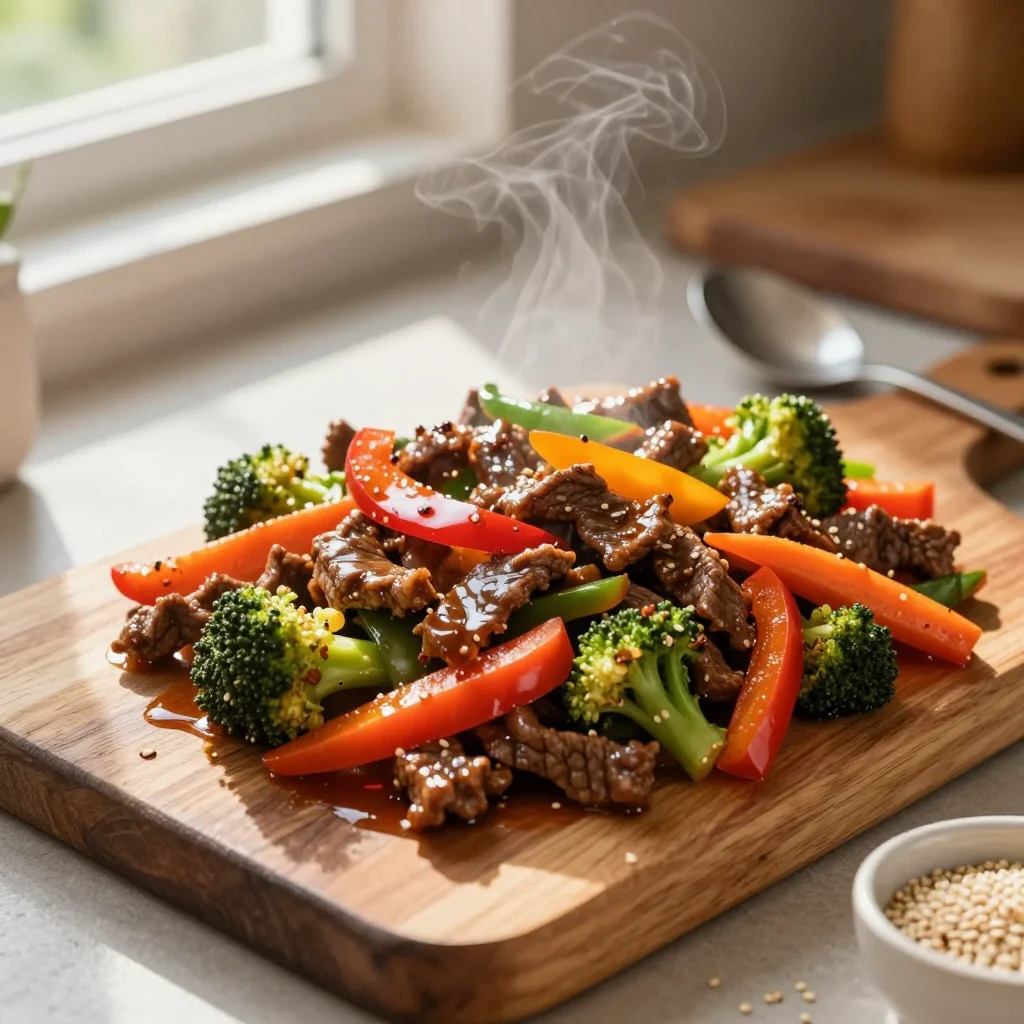
A quick, colorful, and protein‑packed stir‑fry that brings the sizzle of an Asian wok to your kitchen in under 40 minutes.
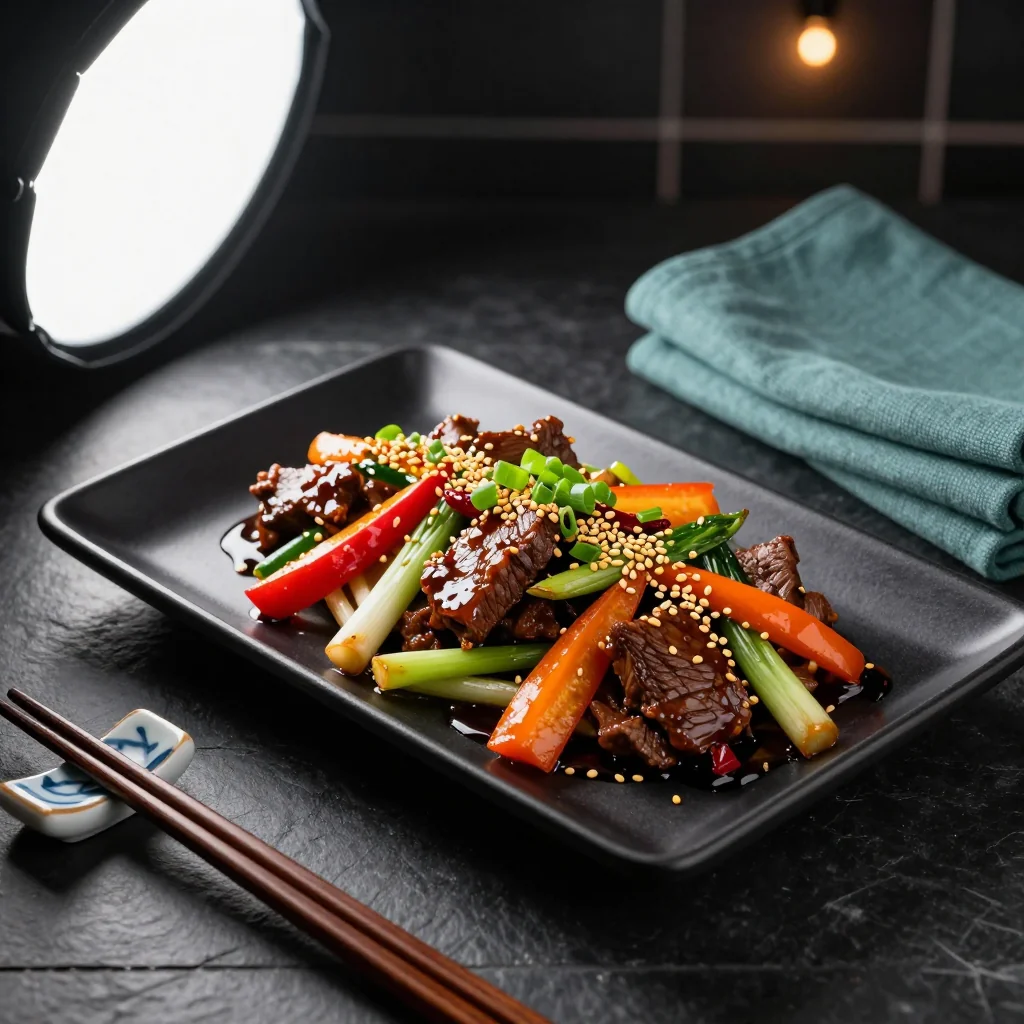
When I first moved to a bustling city, the only thing that reminded me of home was the aroma of a sizzling stir‑fry drifting from a tiny street‑side wok. I remember standing on a cramped balcony, watching the steam rise, and feeling an instant connection to the flavors of my childhood – sweet soy, peppery ginger, and the satisfying crunch of fresh vegetables. That memory sparked a lifelong love affair with quick, high‑heat cooking that celebrates both texture and taste.
Beef Stir Fry with Vegetables is a modern take on a classic Asian technique, blending tender strips of sirloin with a rainbow of garden‑fresh produce. The dish is rooted in the fast‑paced culinary traditions of Chinese and Thai street food, where chefs master the art of “wok‑hei” – that distinctive, slightly charred flavor that can only be achieved at very high heat. By using a simple yet balanced sauce, we create layers of umami, sweetness, and a whisper of heat that make each bite unforgettable.
In this guide, you’ll learn how to select the right cut of beef, how to prep each vegetable for maximum crunch, and the science behind achieving that perfect glossy sauce without turning the beef into a rubbery mess. I’ll also share pro tips for scaling the recipe, swapping ingredients for dietary needs, and plating it like a restaurant‑grade dish.
So tie on your apron, fire up that wok, and let’s dive into a culinary adventure that will brighten any weeknight dinner.
🌟 Why This Recipe Will Win Your Heart
Whether you’re a busy professional, a budding home chef, or someone who simply craves bold flavors, this stir‑fry delivers on every front – speed, nutrition, and sheer delight.
- ✨ Speedy Satisfaction: From prep to plate in under 40 minutes, it fits perfectly into hectic schedules without compromising flavor.
- ✨ Nutrient‑Rich Balance: Lean beef supplies high‑quality protein while a medley of broccoli, carrots, and bell peppers adds fiber, vitamins, and antioxidants.
- ✨ Customizable Heat: Adjust the ginger‑garlic base or add a dash of chili oil for a gentle warmth or a bold kick, making it suitable for all spice tolerances.
- ✨ Minimal Cleanup: One wok, a few bowls, and a quick rinse – the cleanup is as effortless as the cooking.
- ✨ Visual Appeal: The vibrant colors of the vegetables create a dish that looks as good as it tastes, perfect for sharing on social media.
- ✨ Budget‑Friendly: Using everyday pantry staples and seasonal produce keeps the cost low while delivering restaurant‑level quality.
🥗 Ingredients
📝 Complete Ingredient List
For the Beef:
For the Vegetables:
For the Sauce:
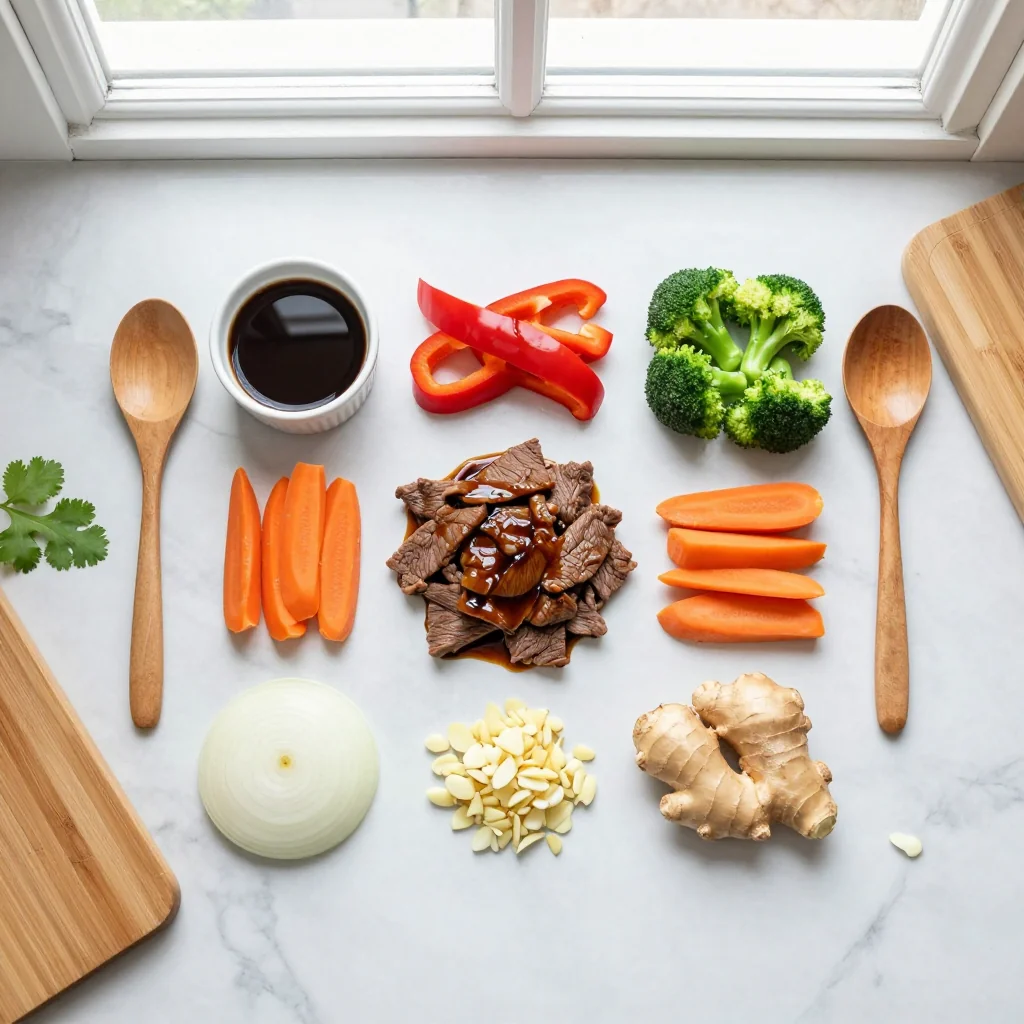
🔍 Focus on Key Ingredients
Beef Sirloin
Sirloin offers a perfect balance of tenderness and flavor when sliced thinly against the grain. Look for a piece with a bright red color and a thin layer of fat marbling – this fat melts quickly in the wok, keeping the meat juicy. If you can’t find sirloin, flank steak or even top round work well, provided they are sliced thinly and briefly cooked.
Broccoli Florets
Broccoli adds a satisfying crunch and a dose of vitamin C, fiber, and antioxidants. Choose florets that are compact and dark green; avoid any that are yellowing, which indicates over‑maturity. A quick blanch in boiling water for 30 seconds before stir‑frying helps retain its vivid color and prevents it from becoming mushy.
Sesame Oil
Sesame oil is the aromatic heart of many Asian sauces. Its nutty fragrance elevates the overall flavor profile without adding a heavy oiliness. Use a high‑quality, cold‑pressed variety and add it at the end of cooking to preserve its delicate aroma.
🔄 Quick Substitutions
| If you don’t have... | Use instead... |
|---|---|
| Beef sirloin | Flank steak or top round |
| Soy sauce | Tamari (gluten‑free) or coconut aminos |
| Oyster sauce | Hoisin sauce mixed with a splash of soy |
👨🍳 Step‑by‑Step Instructions
Follow these carefully crafted steps to achieve a restaurant‑quality stir‑fry that’s both crisp and succulent.
📋 Phase 1: Preparation & Mise en Place
Getting everything ready before the wok gets hot is essential for a smooth cooking flow.
Marinate the Beef
In a large bowl, combine the sliced beef with 2 tbsp cornstarch, 1 tsp salt, and ½ tsp black pepper. Toss until every piece is lightly coated; the cornstarch creates a protective barrier that locks in moisture during the high‑heat sear. Let the beef rest for 10 minutes while you prep the vegetables.
Prep the Vegetables
Wash all vegetables under cold running water. Cut broccoli into bite‑size florets, slice both bell peppers into thin strips, julienne the carrot, and trim the snap peas. Keep the pieces uniform (about 1‑inch) so they cook evenly.
Mix the Sauce
In a small bowl, whisk together soy sauce, oyster sauce, sesame oil, minced garlic, minced ginger, sugar, and water. In a separate tiny cup, dissolve 1 tsp cornstarch in 2 tbsp cold water; this slurry will thicken the sauce at the end.
🔥 Phase 2: High‑Heat Cooking & Assembly
Now the magic happens – the wok’s searing power brings out depth of flavor.
Heat the Wok
Place a wok or large skillet over high heat. When a drop of water sizzles and evaporates instantly, add 1 tbsp vegetable oil, swirling to coat the surface. The oil should shimmer but not smoke excessively.
Sear the Beef
Add the marinated beef in a single layer, spreading it out to avoid crowding. Let it sit untouched for 30 seconds to develop a caramelized crust, then stir‑fry for another 1‑2 minutes until just browned but still pink inside. Transfer the beef to a plate and set aside.
Stir‑Fry the Vegetables
Return the wok to the heat and add a splash more oil if needed. Toss in the broccoli first; stir‑fry for 1 minute. Then add the carrots, snap peas, and bell peppers, continuing to toss for another 2‑3 minutes until the vegetables are bright, crisp‑tender, and slightly charred at the edges.
Combine Beef, Veggies & Sauce
Return the beef to the wok, pour in the prepared sauce, and give everything a quick toss. Immediately stir in the cornstarch slurry; the sauce will thicken within 30 seconds, coating each piece with a glossy sheen. Cook for an additional minute to ensure the beef is fully cooked through.
✨ Phase 3: Finishing Touches & Plating
A few final steps turn a good stir‑fry into a spectacular one.
Check Doneness
Taste a piece of beef; it should be tender with no pink in the center. The vegetables should retain a slight crunch. Adjust seasoning with a pinch more salt or a drizzle of soy sauce if needed.
Garnish
Sprinkle toasted sesame seeds and sliced green onions over the top. Their nutty aroma and fresh bite add the perfect finishing contrast.
Serve
Dish the stir‑fry onto a warm serving platter or individual plates. Serve immediately with steamed jasmine rice, quinoa, or noodles for a complete meal. Enjoy the symphony of flavors while they’re hot!
💡 Expert Tips & Tricks
🛒 Choosing the Right Ingredients
When shopping for beef, look for a bright red color and a fine grain. A thin slice against the grain ensures tenderness. For vegetables, select those that are firm, free of bruises, and at the peak of ripeness. Fresh ginger should be plump and fragrant; if it feels dry, it may have lost its potency. Lastly, opt for low‑sodium soy sauce if you’re watching salt intake – the flavor can be balanced with a touch of extra sugar or honey.
🔪 Preparation Techniques
Slice the beef as thinly as possible (about 1/8 inch). This not only speeds up cooking but also maximizes surface area for the cornstarch coating. Use a sharp chef’s knife for clean cuts; a dull blade will crush the fibers and make the meat tough. Arrange all vegetables in separate piles before heating the wok – this “mise en place” strategy prevents over‑cooking and ensures each component receives the right amount of heat.
🌡️ Mastering the Cooking Process
High heat is non‑negotiable for a proper stir‑fry. Preheat the wok until a drop of water evaporates instantly, then add oil. The oil should be shimmering, not smoking. When adding the beef, avoid overcrowding; if necessary, cook in batches. Overcrowding drops the wok’s temperature, resulting in steamed rather than seared meat. Keep the sauce mixture ready to pour the moment the vegetables are nearly done – this prevents the sauce from reducing too much before the ingredients are ready.
🍽️ Presentation & Service
Serve the stir‑fry on a hot plate or a pre‑warmed bowl to keep it sizzling. A quick garnish of sesame seeds and green onions adds visual contrast and a burst of aroma. Pair with a simple cucumber salad dressed in rice vinegar to cut through the richness. For a festive touch, serve on a large communal platter, allowing guests to serve themselves, which adds an interactive dining experience.
🏆 Pro Chef Secrets
Elevate your stir‑fry from home‑cooked comfort to a dish worthy of a Michelin‑starred kitchen.
- 🎯 Layered Aromatics: Add a splash of toasted sesame oil just before removing the wok from heat. The oil’s volatile compounds release instantly, creating a fragrant “finishing note” that can’t be achieved earlier in the cooking process.
- 🎯 Ultra‑Hot Wok Technique: Use a carbon steel wok and pre‑heat it until it starts to lightly smoke. This creates “wok‑hei” – a smoky, caramelized flavor that defines authentic stir‑fry.
- 🎯 Precise Portion Scaling: The built‑in portion adjuster recalculates each ingredient based on the desired servings, ensuring flavor balance remains consistent whether you’re cooking for two or twelve.
- 🎯 Sauce Emulsification: Whisk the sauce vigorously before adding it to the wok; a smooth emulsion prevents separation and ensures an even coating on every bite.
- 🎯 Resting the Beef: After searing, let the beef rest for 2‑3 minutes before mixing with the sauce. This allows juices to redistribute, keeping the meat moist.
- 🎯 Temperature Control: If the wok temperature drops during cooking, briefly re‑heat it before adding the next batch of ingredients. Consistent heat prevents soggy vegetables.
“The secret to a great stir‑fry is not just speed, but mastering the balance between high heat and delicate flavors.” — Chef Ming Zhao
🔄 Variations & Adaptations
This versatile recipe welcomes countless twists, making it perfect for any palate or dietary need.
🥬 Vegetarian / Vegan Version
Swap the beef for 400 g firm tofu, pressed and cubed, or use tempeh strips for extra nuttiness. Marinate the tofu in the same cornstarch mixture, then follow the same searing steps. For a fully vegan sauce, replace oyster sauce with mushroom soy sauce and ensure the soy sauce is gluten‑free if needed.
- Use 200 g shiitake mushrooms, sliced, for an umami boost.
- Add a splash of rice vinegar at the end for brightness.
🌶️ Flavor Variations
Play with global flavor profiles by adjusting the sauce components and aromatics.
Spicy Szechuan
Incorporate 1 tsp Sichuan peppercorns and 1 tbsp chili oil. Finish with a sprinkle of crushed red pepper flakes for an authentic tingle.
Mediterranean Twist
Replace soy sauce with 3 tbsp olive oil, 1 tbsp lemon juice, and a pinch of dried oregano. Add kalamata olives and sun‑dried tomatoes for a briny contrast.
Thai Coconut Curry
Swap the sauce for 3 tbsp red curry paste mixed with ½ cup coconut milk. Garnish with fresh Thai basil and lime wedges for a fragrant finish.
⚠️ Dietary Adaptations
Gluten‑Free
Use tamari instead of soy sauce and ensure the oyster sauce is gluten‑free. All other ingredients are naturally gluten‑free.
Lactose‑Free
This recipe is already lactose‑free; just verify that any added sauces do not contain hidden dairy.
Low‑Calorie
Reduce oil to ½ tbsp, increase the proportion of vegetables, and serve over cauliflower rice. This cuts calories by roughly 30 % while keeping the dish satisfying.
👶 Kid‑Friendly Version
For younger palates, omit the ginger and reduce garlic to 1 tsp. Use milder soy sauce and add a drizzle of honey for a subtle sweetness. Serve with soft‑cooked rice and cut vegetables into bite‑size sticks.
📦 Storage & Reheating
🧊 Conservation
In the Refrigerator:
- Duration: 3 days
- Recommended container: airtight glass or BPA‑free plastic
- Tip: Place a paper towel on top to absorb excess moisture and keep the veggies crisp.
In the Freezer:
- Duration: 2 months
- Method: Cool the stir‑fry completely, portion into freezer bags, remove air, and label with date.
- Defrosting: Transfer to the fridge overnight or use the microwave’s defrost setting before reheating.
💡 For best texture, reheat only the portion you’ll eat rather than the whole batch.
♨️ Reheating
🔥 Oven (Recommended):
- Preheat to 180 °C (350 °F).
- Cover the dish with aluminum foil to retain moisture.
- Heat for 12‑15 minutes, stirring halfway.
- Remove foil and heat an additional 3‑4 minutes to restore a slight crisp.
⚡ Microwave (Quick):
- Place a portion in a microwave‑safe dish, cover with a vented lid.
- Heat on medium power for 1 minute, stir, then continue in 30‑second intervals until hot.
🍳 Stovetop:
Heat a non‑stick skillet over medium‑high heat, add a splash of water or broth, and stir‑fry for 3‑4 minutes until steam rises and the sauce re‑glosses.
🍷 Perfect Pairings
🥗 Side Dishes
- Steamed Jasmine Rice: Its fragrant, fluffy texture absorbs the savory sauce, creating a harmonious bite.
- Asian Cucumber Salad: Thinly sliced cucumbers tossed in rice vinegar, a pinch of sugar, and sesame seeds add a refreshing crunch.
- Garlic‑Infused Noodles: Quick‑cooked egg noodles tossed with a dash of soy sauce and minced garlic complement the stir‑fry’s bold flavors.
🍷 Wine & Beverage Pairings
- Riesling (Off‑dry): Its bright acidity and subtle sweetness balance the salty‑sweet sauce while cooling the spice.
- Pinot Noir: Light‑bodied red wine with soft tannins pairs well with beef without overwhelming the dish.
- Non‑Alcoholic: Sparkling ginger‑lime mocktail adds a citrusy fizz that mirrors the ginger notes in the stir‑fry.
🍰 Completing the Meal
Start with a light miso soup to set a savory tone, then finish with a delicate green tea ice cream or a mango sorbet. Both desserts provide a cool, sweet contrast that cleanses the palate after the umami‑rich main course.
❓ Frequently Asked Questions
Q: Can I use frozen vegetables instead of fresh?
Yes, frozen vegetables work well, but be sure to thaw and pat them dry first. This prevents excess water from diluting the sauce and keeps the stir‑fry crisp. Add them a minute later than fresh vegetables, as they may require a shorter cooking time.
Q: How do I avoid the beef becoming tough?
The key is to slice the beef very thinly against the grain and to sear it quickly over high heat. Marinating briefly with cornstarch also creates a protective barrier. Avoid over‑cooking; the beef should be removed from the wok as soon as it turns brown on the outside.
Q: What’s the best oil for high‑heat stir‑frying?
Use oils with a high smoke point such as vegetable oil, canola oil, or refined peanut oil. These oils stay stable at the temperatures needed for wok‑hei, ensuring a clean flavor without bitterness.
Q: My sauce turned out too thin—what went wrong?
If the sauce is thin, you likely didn’t add enough cornstarch slurry or the slurry wasn’t mixed well. Ensure the cornstarch is fully dissolved in cold water before adding, and let the sauce simmer for at least 30 seconds after adding the slurry to achieve the desired thickness.
Q: Can I make this recipe gluten‑free?
Absolutely. Substitute regular soy sauce with tamari or coconut aminos, and verify that the oyster sauce you choose is labeled gluten‑free. All other ingredients are naturally gluten‑free.
Q: How far in advance can I prep the ingredients?
You can slice the beef and vegetables up to 2 hours ahead and keep them refrigerated in separate airtight containers. Keep the sauce in a small jar; give it a quick stir before cooking. This prep‑ahead method shortens the active cooking time to under 20 minutes.
🎉 Let’s Get Cooking!
This Beef Stir Fry with Vegetables brings together speed, nutrition, and bold flavors in one vibrant dish. By mastering the high‑heat technique and respecting each ingredient’s role, you’ll create a meal that feels both comforting and adventurous. Whether you serve it for a quick weeknight dinner or as the centerpiece of a gathering, the colorful vegetables and tender beef will impress every palate.
Don’t hesitate to experiment with the suggested variations, adjust the heat level, or pair it with your favorite sides. Share your results, ask questions in the comments, and give the recipe a rating so we can keep refining it together.
Have you tried this recipe?
Leave a comment and a rating below! Share your photos on Instagram with #BeefStirFryMagic to be featured on our page.
Beef Stir Fry with Vegetables
A quick, colorful stir‑fry that delivers tender beef and crisp vegetables in a savory glaze.
📝 Ingredients
Beef
Vegetables
Sauce & Garnish
👨🍳 Instructions
- 1
Marinate the beef with cornstarch, salt, and pepper; let rest for 10 minutes.
- 2
Prepare all vegetables, keeping them uniform for even cooking.
- 3
Whisk together sauce ingredients and set aside.
- 4
Heat wok over high heat, add oil, and sear beef until browned; remove and set aside.
- 5
Stir‑fry vegetables, starting with broccoli, then adding carrots and peppers.
- 6
Return beef, pour sauce, add cornstarch slurry, and cook until glossy.
- 7
Garnish with sesame seeds and green onions.
- 8
Serve hot over rice or noodles.
- 9
Enjoy and share your creation!
- 10
Store leftovers according to the storage guide.
🥗 Nutritional Information (per serving)
*Values are estimates based on standard ingredient data.