Picture this: I’m standing in my tiny kitchen, the oven humming like a lazy cat, and I’ve just burned the last batch of store‑bought quinoa bowls because the sauce turned into a gloopy mess that clung to the spoon like a stubborn ex. I was on the brink of surrender, ready to order a pizza and call it a night, when my roommate dared me—yes, dared me—to create a vegan Mediterranean bowl that could actually make the Greeks weep with envy. I accepted the challenge, rolled up my sleeves, and dove headfirst into a pantry raid that felt more like a treasure hunt than a grocery run. The result? A bowl so vibrant, so aromatic, it practically sings “Opa!” before you even take the first bite.
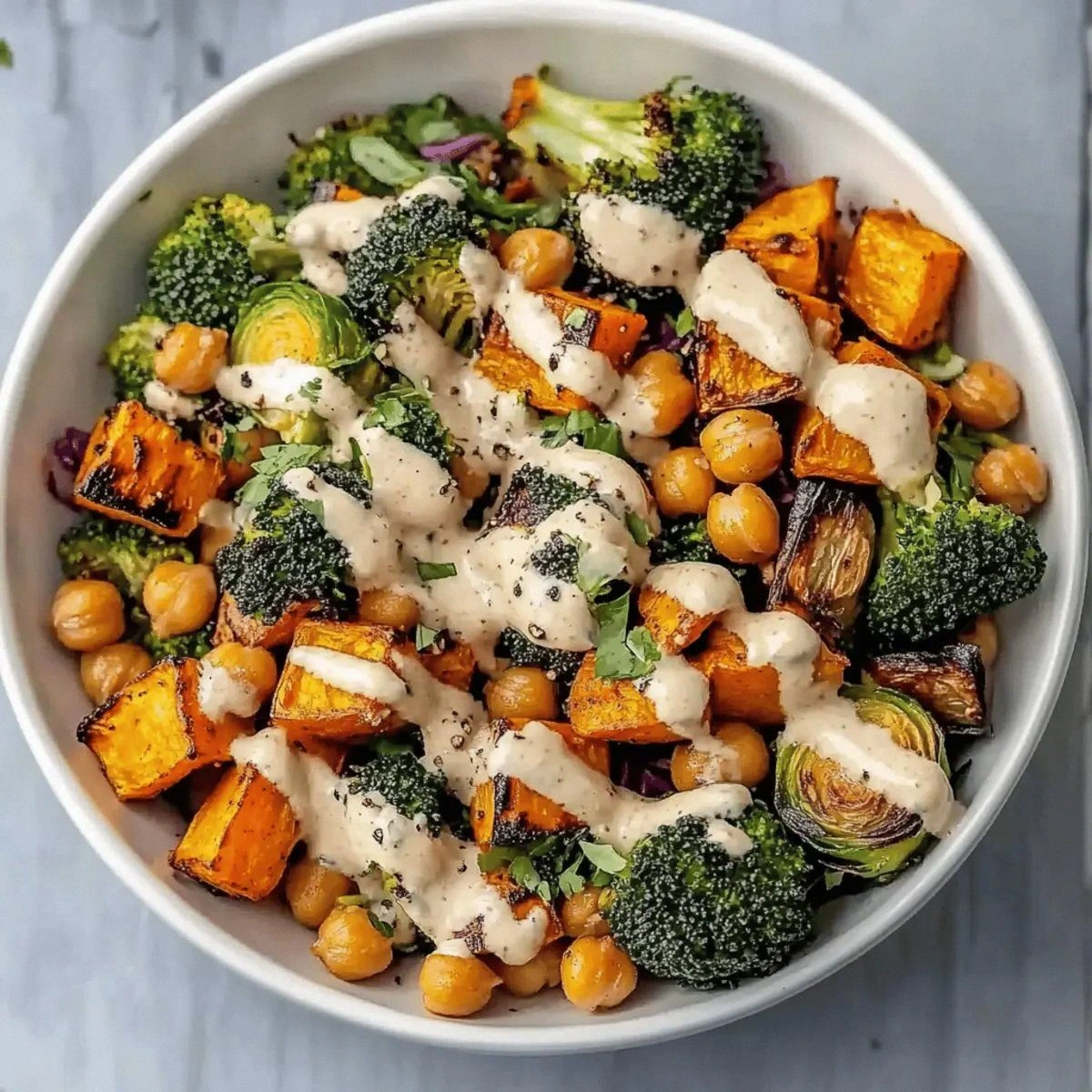
The moment the sweet potato hits the hot oven, a caramelized perfume swirls through the air, mingling with the earthy perfume of broccoli and the nutty scent of roasted Brussels sprouts. The sizzle of the veggies against the tray is a tiny applause, a reminder that something magical is happening. When I finally drizzle the tahini‑mustard glaze over the roasted medley, it glistens like sunrise on the Aegean Sea, promising a tangy, creamy kiss that will coat every bite. My tongue tingles just thinking about the crunchy chickpeas that snap like tiny fireworks, while the lemon‑apple cider vinaigrette adds a bright, zesty finish that lifts the whole dish into a realm of pure flavor bliss.
Most recipes out there try to be clever by tacking on a handful of herbs or a splash of olive oil, but they miss the mark on texture, balance, and that unforgettable “wow” factor that makes you want to shout from the balcony. This version, however, is a symphony of contrasts—sweet, savory, tangy, and nutty—all playing together without ever stepping on each other’s toes. The secret? A meticulously timed roasting process that caramelizes the natural sugars in the sweet potato while keeping the broccoli and Brussels sprouts crisp‑tender, paired with a silky tahini‑mustard sauce that clings like velvet to every morsel.
And here’s the kicker: I’m about to reveal a technique that most home cooks overlook—a simple two‑stage roasting that guarantees perfectly caramelized edges without burning the delicate greens. Trust me, once you master this, you’ll never settle for soggy or unevenly cooked veggies again. I dare you to taste this and not go back for seconds. Let me walk you through every single step — by the end, you’ll wonder how you ever made it any other way.
What Makes This Version Stand Out
- Flavor Explosion: The tahini‑mustard glaze delivers a creamy, tangy punch that hugs each vegetable, creating a taste profile that’s both familiar and adventurous.
- Texture Symphony: Sweet potato’s caramelized edges, broccoli’s bite, Brussels sprouts’ crisp tips, and chickpeas’ crunchy snap form a harmonious contrast that keeps every forkful interesting.
- Simplicity Meets Sophistication: Only twelve pantry staples are needed, yet the result feels like a dish you’d find in a high‑end Mediterranean bistro.
- Ingredient Integrity: Each component shines on its own—no one flavor dominates, allowing the natural goodness of the veggies to star.
- Crowd‑Pleaser: Whether you’re feeding a family of vegans, flexitarians, or meat‑loving friends, this bowl earns unanimous applause and empty plates.
- Make‑Ahead Magic: Roast the veggies ahead of time, store the sauce separately, and assemble in minutes—perfect for busy weekdays.
- Seasonal Flexibility: While the sweet potato is a fall favorite, the other veggies are available year‑round, making this dish adaptable to any season.
- Nutrition Powerhouse: Packed with fiber, plant protein, healthy fats, and a rainbow of vitamins, it fuels body and soul alike.
Inside the Ingredient List
The Flavor Base
1/3 cup Tahini: This silky, nutty paste is the heart of our glaze, providing richness that rivals dairy‑based sauces. If you skip it, you’ll lose that luxurious mouthfeel and the bowl will feel flat. For a lighter version, thin it with a splash of water, but be prepared for a less decadent coating.
1 tablespoon Dijon Mustard: The mustard adds a sharp, peppery bite that cuts through the sweetness of the roasted veg. It also emulsifies the sauce, ensuring the olive oil and tahini blend smoothly. If you’re allergic to mustard, a teaspoon of whole‑grain mustard can substitute with a slightly milder flavor.
The Texture Crew
1 large Sweet Potato: Sweet potatoes bring natural sugars that caramelize beautifully, delivering sweet, buttery notes. Choose a firm, orange‑fleshed variety for the best texture; if you pick a white sweet potato, expect a milder flavor and less vibrant color.
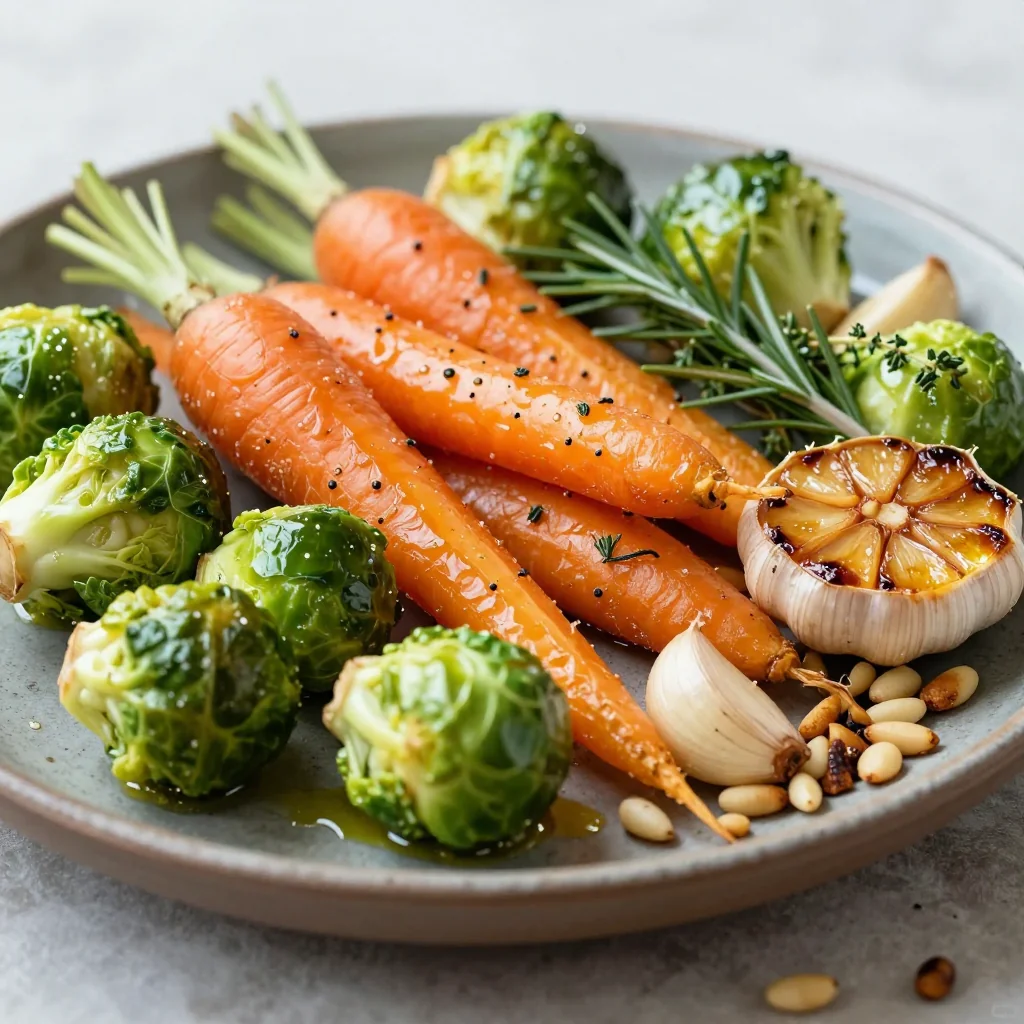
2 cups Broccoli Crowns: Broccoli offers a sturdy bite and a subtle bitterness that balances the sweet potato. Cut them into bite‑size florets to ensure even roasting. If you overcook, you’ll lose that satisfying crunch.
2 cups Brussels Sprouts: Their slightly bitter, nutty flavor intensifies when roasted, and the outer leaves become crisp, almost like chips. Trim the stems and halve them for even cooking. Frozen Brussels sprouts can work in a pinch, but fresh always wins.
1 can Chickpeas: Chickpeas add protein and a delightful pop. Rinse and dry them thoroughly before roasting; excess moisture will steam them instead of crisping. For extra crunch, toss them with a pinch of smoked paprika.
The Unexpected Star
2 tablespoons Apple Cider Vinegar: This bright acidity lifts the entire dish, preventing it from feeling heavy. It also helps the tahini emulsify, giving the sauce a smooth, glossy finish. If you don’t have ACV, a splash of white wine vinegar works similarly.
2 tablespoons Date Syrup or Maple Syrup: A touch of natural sweetness balances the tang of the mustard and vinegar. Date syrup adds a deep caramel note, while maple offers a lighter, floral sweetness. Use whichever you have on hand—both are vegan and wholesome.
The Final Flourish
1 tablespoon Lemon Juice: The lemon’s citrus zing brightens the bowl, making every bite feel fresh. Squeeze it just before serving to preserve its vibrant aroma. If lemons are out of season, a splash of rice vinegar can mimic the acidity.
2 tablespoons Olive Oil: Olive oil carries the flavors of the glaze and helps the veggies roast to golden perfection. Opt for extra‑virgin for a fruitier note, but a light olive oil works if you prefer a milder taste.
1 teaspoon Garlic Powder: Garlic powder adds depth without the risk of burning fresh garlic in the oven. It distributes evenly, ensuring each bite has a subtle garlicky undertone. Fresh minced garlic can replace it, but add it halfway through roasting to avoid bitterness.
Everything's prepped? Good. Let’s get into the real action…
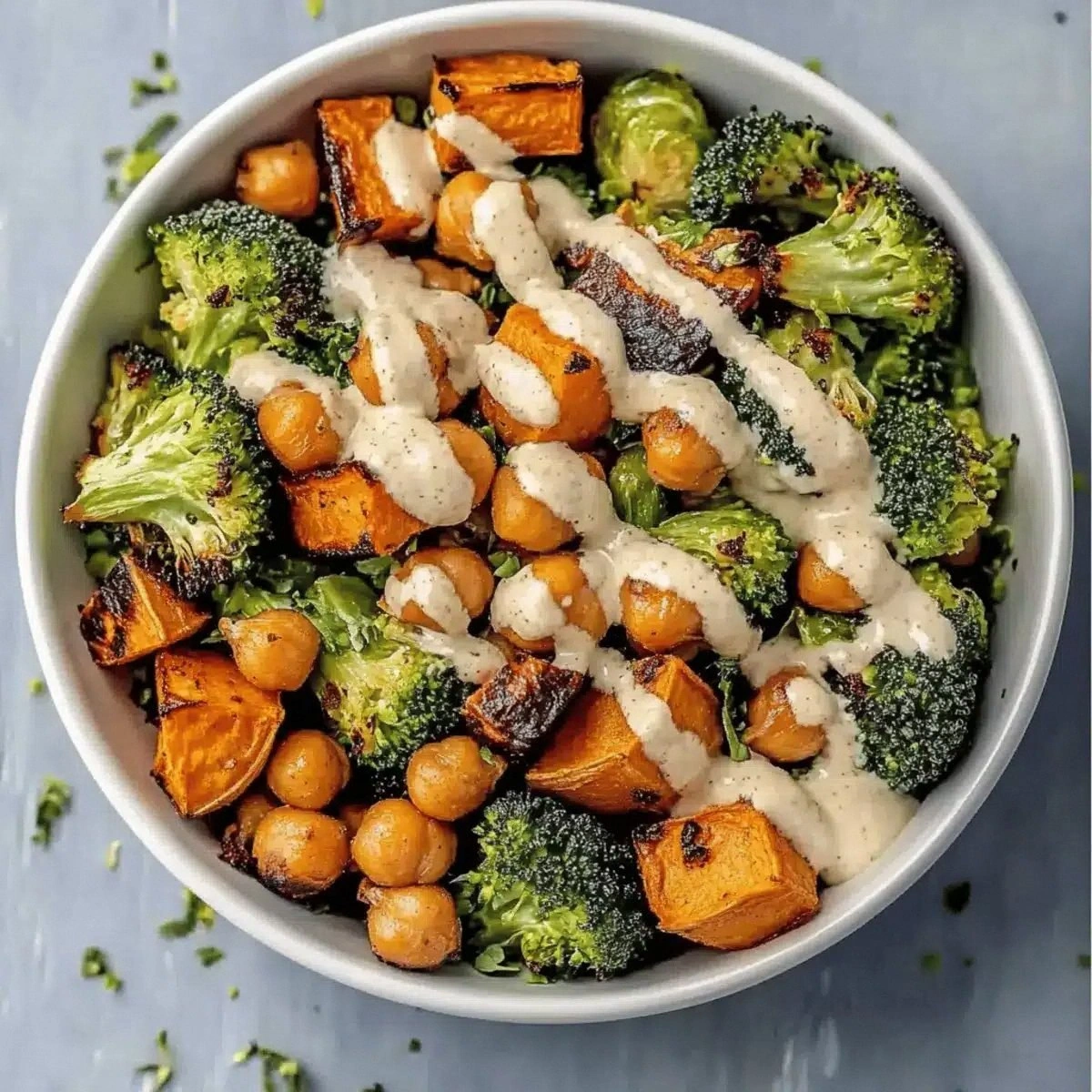
The Method — Step by Step
Preheat your oven to 425°F (220°C) and line two large baking sheets with parchment paper. While the oven warms, wash and dry all your vegetables. Cut the sweet potato into ½‑inch cubes, separate broccoli into florets, halve the Brussels sprouts, and pat the chickpeas completely dry with a kitchen towel. The key here is uniform size; this ensures everything roasts evenly and prevents some pieces from turning into mush while others stay raw.
In a large bowl, toss the sweet potato cubes with 1 tablespoon olive oil, a pinch of garlic powder, and a sprinkle of sea salt. Spread them in a single layer on one of the prepared sheets, cut side down for maximum caramelization. As they roast, the edges will start pulling away, forming that coveted crispy crust that shatters like thin ice when you bite into it.
Kitchen Hack: Toss the veggies in a zip‑top bag with oil and seasonings; shake vigorously for an even coating without a mess.On the second sheet, combine broccoli crowns, Brussels sprouts, and chickpeas. Drizzle with the remaining 1 tablespoon olive oil, sprinkle the rest of the garlic powder, and toss everything together. The chickpeas should glisten—this is a sign they’ll crisp up nicely. Arrange the vegetables so the cut sides of the Brussels sprouts face down, maximizing caramelized edges.
Slide both trays into the oven. Roast the sweet potatoes for 20‑25 minutes, stirring once halfway through. The broccoli and Brussels sprouts need only 15‑18 minutes; keep an eye on them, because over‑roasting will turn them bitter. Watch Out: If you open the oven too often, the temperature drops, leading to uneven browning. Resist the urge to check every 2 minutes—trust the timer and let the heat work its magic.
Watch Out: Overcrowding the pan will steam the veggies instead of roasting; use two pans if necessary.While the veggies are roasting, whisk together the tahini, Dijon mustard, apple cider vinegar, date syrup (or maple), lemon juice, and the remaining garlic powder in a small bowl. The mixture will thicken, then loosen as you stir—this is the emulsification process. If the sauce feels too thick, add a splash of warm water, one teaspoon at a time, until it reaches a pourable consistency that will coat the vegetables like a glossy veil.
When the sweet potatoes are golden and the broccoli‑Brussels mixture shows crisp, caramelized tips, remove both trays from the oven. Transfer the veggies to a large serving bowl, reserving any pan juices—they’re pure gold. Drizzle the tahini‑mustard glaze over the hot vegetables, tossing gently so every piece gets a generous coating. The heat will warm the sauce, allowing it to cling perfectly without sliding off.
Kitchen Hack: Save the pan drippings, whisk them into the sauce for an extra burst of roasted flavor.Give the bowl a final sprinkle of flaky sea salt and a handful of freshly chopped parsley for color. The parsley adds a fresh, herbaceous note that lifts the whole dish. If you love a bit of heat, a pinch of red pepper flakes will add a subtle kick without overpowering the delicate balance.
Serve the bowl warm, or let it cool to room temperature for a refreshing summer vibe. This dish is versatile: pair it with warm pita, a side of quinoa, or enjoy it solo for a hearty, plant‑based meal. I’ll be honest — I ate half the batch before anyone else got to try it, and the leftovers still tasted like the first bite.
Store any leftovers in an airtight container. The sauce may thicken as it sits; simply stir in a splash of water before reheating to restore its silky texture. That’s it — you did it. But hold on, I’ve got a few more tricks that’ll take this to another level…
Insider Tricks for Flawless Results
The Temperature Rule Nobody Follows
Most home cooks set the oven to 400°F and call it a day, but the secret to perfect caramelization is a hotter oven—425°F (220°C). The higher heat creates a Maillard reaction faster, giving you those coveted crispy edges without drying out the interior. I once tried a lower temperature, and the veggies turned out soggy, like a wilted garden. Trust the heat; it’s the difference between “cooked” and “restaurant‑grade.”
Why Your Nose Knows Best
Don’t rely solely on timers; use your nose as a guide. When the sweet potatoes start to smell sweet and nutty, you’re close to perfect. The broccoli and Brussels sprouts emit a toasty, slightly bitter aroma when they’re just right. If you catch a faint “burnt” scent, pull the tray out immediately. Your olfactory senses are a more reliable indicator than a digital clock.
The 5‑Minute Rest That Changes Everything
After tossing the veggies with the sauce, let the bowl sit for five minutes. This brief rest lets the flavors meld, allowing the tahini glaze to seep into the sweet potato cubes and the chickpeas. Skipping this step results in a sauce that sits on top, feeling disconnected. I once served it straight out of the oven, and the sauce was too runny—five minutes made it silky and cohesive.
Seasoning Layers, Not One‑Shot
Season in stages: first, salt the raw veggies before roasting; second, add a pinch of salt to the glaze; third, finish with a final dash after plating. Each layer builds depth, ensuring the dish never tastes flat. A friend tried skipping the post‑roast seasoning and complained the bowl was “bland” — lesson learned.
Finish With Freshness
Fresh herbs aren’t just garnish; they add a burst of bright, vegetal flavor that cuts through the richness of the tahini. A handful of parsley, cilantro, or even mint can transform the bowl. If you’re feeling adventurous, toss in some microgreens right before serving for an extra texture surprise.
Creative Twists and Variations
This recipe is a playground. Here are some of my favorite ways to switch things up:
Spicy Harissa Heat
Swap the Dijon mustard for 1 tablespoon of harissa paste, and add a pinch of smoked paprika to the glaze. The result is a smoky, fiery bowl that pairs beautifully with the sweet potato’s natural sweetness. Perfect for those who love a little heat.
Greek Yogurt Dream
For a non‑vegan twist, stir in ¼ cup of Greek yogurt into the glaze after removing it from heat. The yogurt adds a tangy creaminess that mimics the tahini’s richness while adding protein. Top with crumbled feta for an authentic Mediterranean feel.
Autumn Harvest
Replace the broccoli with roasted butternut squash cubes and add a handful of dried cranberries. The sweet‑sour combo gives the bowl a festive, autumnal vibe, making it ideal for Thanksgiving leftovers.
Protein Power
Boost the protein content by adding a cup of cooked quinoa or farro to the bowl. The grains absorb the glaze, turning each bite into a hearty, satisfying morsel. This variation is perfect for athletes or anyone needing an extra energy kick.
Herbaceous Green
Swap the parsley for a generous handful of basil and mint, and drizzle a splash of pesto over the top. The herbaceous notes create a fresh, summer‑ready dish that pairs well with grilled vegetables.
Storing and Bringing It Back to Life
Fridge Storage
Place the roasted veggies in an airtight container, keeping the glaze in a separate small jar. Store in the refrigerator for up to 4 days. When ready to eat, combine the two, give a quick toss, and enjoy a fresh‑tasting bowl.
Freezer Friendly
Cool the roasted vegetables completely, then portion them into freezer‑safe bags. The glaze can be frozen in an ice‑cube tray and transferred to a bag later. Freeze for up to 3 months. Thaw overnight in the fridge, reheat, and add a splash of water to revive the sauce’s silky texture.
Best Reheating Method
Reheat in a preheated 350°F oven for 10‑12 minutes, or microwave on high for 2 minutes, stirring halfway. Add a tiny splash of water before reheating; the steam will bring the veggies back to their original tenderness and keep the glaze from drying out.