Love this? Pin it for later! 📌
January has always felt like a quiet reset in my kitchen. The twinkle lights come down, the cookie tins are (finally) empty, and the air smells less like cinnamon and more like possibility. Last year, on the third Monday of the month, I found myself staring into the fridge at 6:15 p.m.—hair still damp from a post-workout shower, stomach growling louder than the wind outside—and I needed something that felt nourishing and luxurious. I wanted the comfort of take-out flavor without the post-take-out slump. That night this honey-soy baked salmon was born.
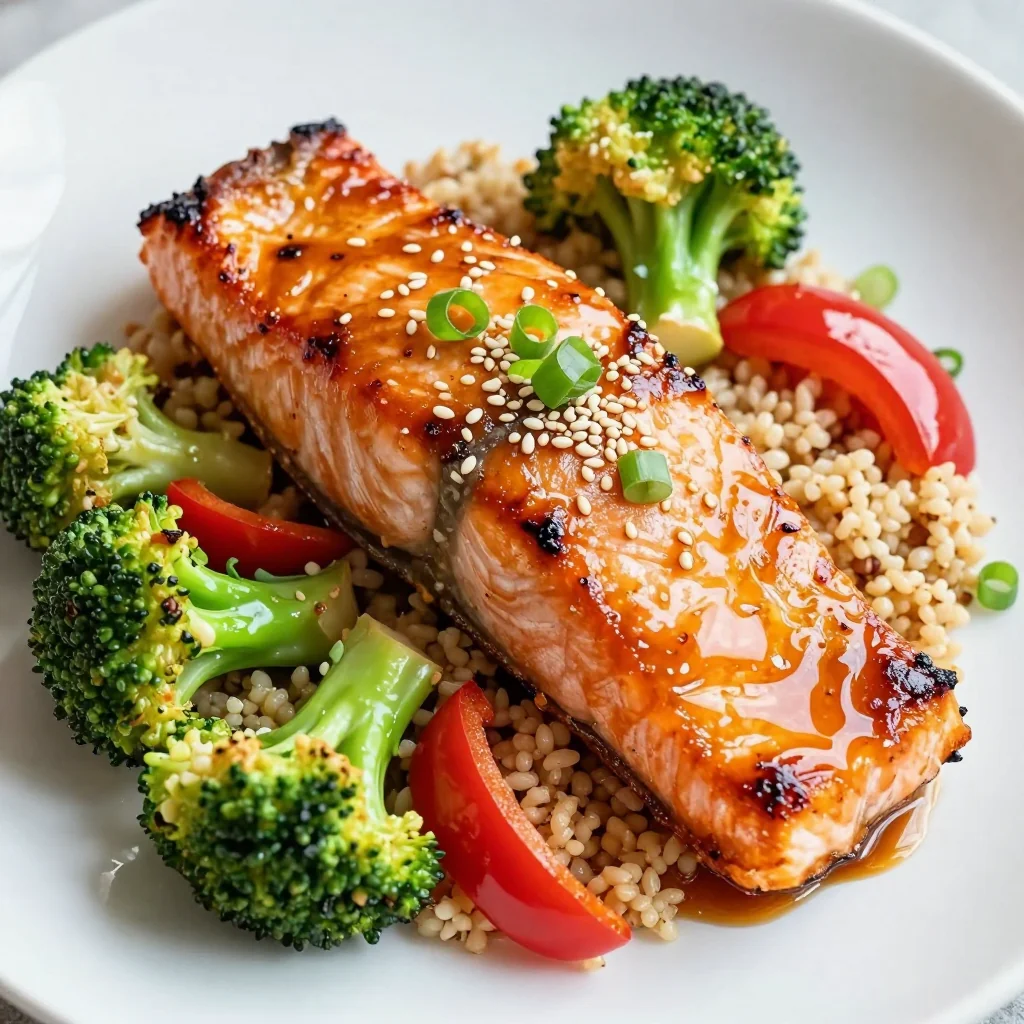
The fillet emerged glossy and burnished, the edges caramelized just enough to crackle under my fork, the center still coral and supple. One bite and I felt like I was sitting in a softly lit bistro instead of my tiny rental kitchen with the humming fridge. Better yet, the ingredient list was cleaner than my January intentions: wild salmon, raw honey, reduced-sodium tamari, a squeeze of citrus, and a whisper of fresh ginger. No refined sugar, no processed oils, just real food that tastes like a treat. I’ve made it every week since—sometimes for company, sometimes for meal-prep lunches that make coworkers peek over the cubicle wall. If your January goals include more omega-3s, less fuss, and dinners that feel like self-care, this recipe is about to become your new tradition.
Why This Recipe Works
- One-pan wonder: everything bakes on a single sheet tray—minimal dishes, maximal flavor.
- Ready in 25 minutes: faster than scrolling for delivery, perfect for busy weeknights.
- Clean ingredients: no refined sugar, gluten-free, dairy-free, and packed with heart-healthy fats.
- Meal-prep champion: fillets reheat like a dream and brighten up grain bowls all week.
- Customizable glaze: dial the sweetness or saltiness up or down to suit your palate.
- Restaurant sheen: the glaze reduces to a lacquer that looks straight off a chef’s pass.
Ingredients You'll Need
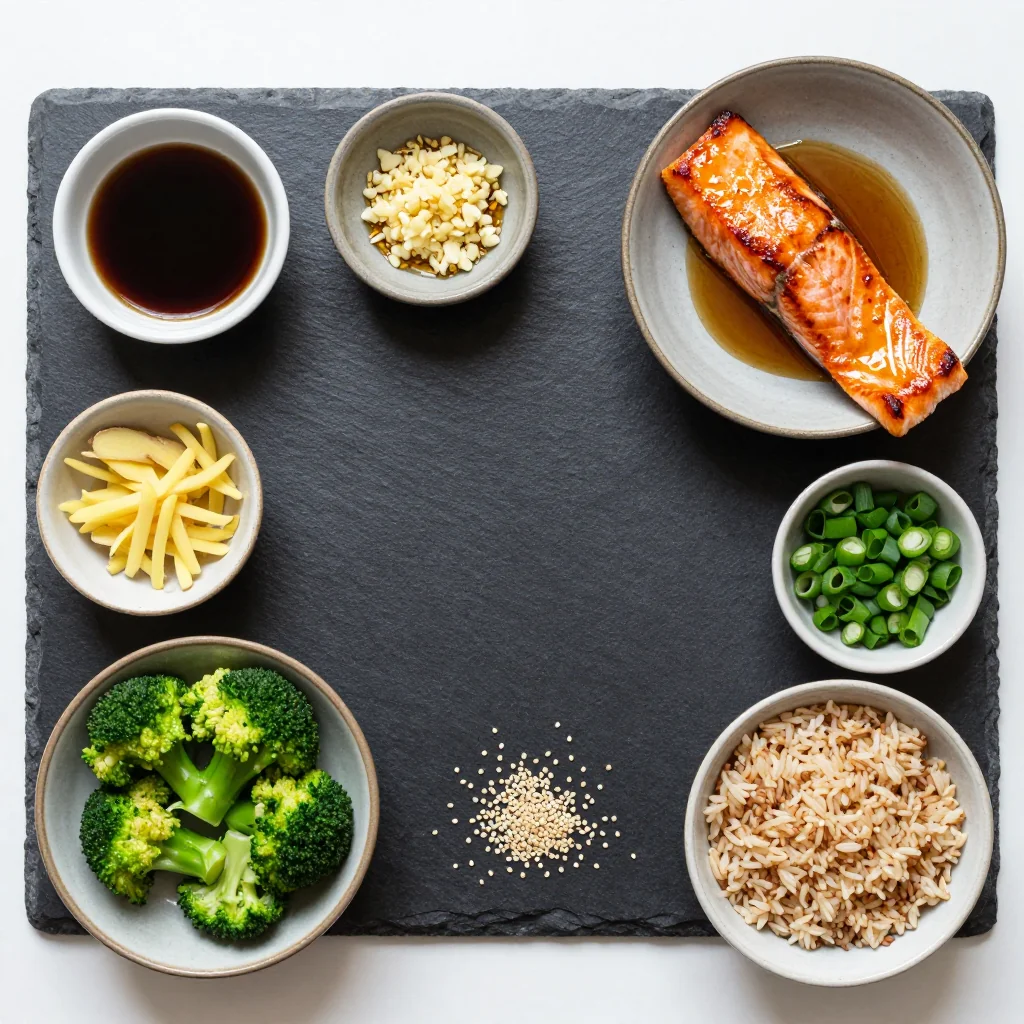
Wild salmon fillets – Look for center-cut pieces, 5–6 oz each, skin-on. Skin acts as a built-in barrier between delicate flesh and hot pan, plus it crisps into a savory “salmon chip” if you’re into that sort of thing. Wild-caught coho or sockeye is leaner than farmed Atlantic, yielding a cleaner flavor that won’t taste fishy after baking. Thaw frozen fillets overnight on a paper-towel-lined plate in the fridge; the towel wicks away excess moisture so the glaze sticks instead of sliding off.
Raw honey – A January-friendly sweetener that still retains trace enzymes and antioxidants. If you’re vegan, swap in maple syrup; the flavor will be deeper, but the glaze will still glisten. Warm the honey jar in a mug of hot water for 30 seconds so it flows evenly into the soy mixture.
Reduced-sodium tamari – Gluten-free soy sauce with about 40 % less salt than the traditional stuff. Coconut aminos work for soy-free households, though they’re slightly sweeter; reduce the honey by 1 tsp to compensate.
Fresh ginger – Skip the pre-minced jar; it’s often preserved in sugar. Peel with the edge of a spoon and grate on a microplane for fluffy, juicy pulp that disperses instantly.
Garlic – One small clove, smashed and minced. Green garlic shoots in winter can be bitter; remove them if present.
Orange zest + juice – The zest’s oils perfume the glaze, while the juice balances salt with bright acidity. Organic fruit is worth the splurge since you’re eating the peel.
Toasted sesame oil – A few drops lend nutty complexity without additional sodium. Store in the fridge to keep it from going rancid.
Scallions & sesame seeds – Optional, but they turn a simple fillet into something that photographs like a magazine spread.
How to Make Honey Soy Baked Salmon for a Clean Eating January Dinner
Preheat & Prep Sheet Tray
Set oven to 400 °F (204 °C) with rack in center. Line a rimmed sheet with unbleached parchment; the rim keeps glaze from dripping onto the oven floor. Lightly mist with avocado oil spray so skin doesn’t weld itself to the paper.
Whisk the Glaze
In a small bowl combine 2 Tbsp raw honey, 3 Tbsp reduced-sodium tamari, 1 tsp finely grated fresh ginger, 1 minced garlic clove, zest of ½ organic orange, and 1 tsp orange juice. Whisk 15 seconds; honey should dissolve completely. Reserve 1 Tbsp of mixture for finishing later.
Pat Salmon Very Dry
Place fillets on a triple layer of paper towels, skin-side down. Press another towel on top, gently squeezing out surface moisture. Dry flesh equals better glaze adhesion and faster caramelization. Transfer fillets to prepared sheet, skin-side down, at least 1 inch apart for even heat circulation.
Season Lightly
Brush flesh with a whisper of toasted sesame oil—about ¼ tsp per fillet. Sprinkle a pinch of freshly ground black pepper; skip salt, tamari has plenty.
Glaze & Marinate (Briefly)
Spoon two-thirds of the glaze over the salmon, nudging it to the edges with the back of the spoon. Let stand at room temp while oven finishes heating—no longer than 10 minutes; acid in orange juice will start to cure the fish if left indefinitely.
Bake Until Just Flaking
Slide sheet into oven and bake 9–11 minutes, depending on thickness. A 1-inch fillet hits 125 °F (52 °C) at the thickest part—ideal for moist results. If you prefer medium, pull at 130 °F. The glaze should be sticky and the surface sizzling.
Broil for Lacquer Finish
Switch oven to high broil. Drizzle reserved 1 Tbsp glaze over salmon; broil 60–90 seconds until edges char in spots. Stay close; honey burns fast.
Rest & Garnish
Remove pan, let fillets rest 3 minutes—proteins relax, juices redistribute. Sprinkle with diagonal-cut scallions and toasted sesame seeds for color pop and crunch.
Expert Tips
Use an Instant-Read Thermometer
Salmon transitions from translucent to opaque quickly. Insert probe at the thickest part at an angle for accuracy.
Line Cook Trick: Night-Before Dry-Brine
Sprinkle fillets with ¼ tsp kosher salt per side, refrigerate uncovered overnight. Next day rinse, pat dry, and proceed—seasoning penetrates deeper.
Prevent White Albumin Leak
Cooking at 400 °F instead of 425 °F keeps surface proteins from seizing too fast, minimizing the unattractive white stuff.
Reuse Leftover Glaze Safely
Boil reserved glaze 1 minute to kill bacteria, then drizzle over steamed broccoli or quinoa bowls.
Variations to Try
- Spicy Mango: Replace orange juice with 2 Tbsp pureed mango and add ¼ tsp chili flakes.
- Miso Boost: Whisk 1 tsp white miso into glaze for extra umami; reduce tamari by 1 tsp.
- Citrus Swap: Use blood orange or ruby grapefruit for seasonal color and tang.
- Soy-Free: Substitute coconut aminos and add ½ tsp rice vinegar for brightness.
- Herbaceous Finish: Top with fresh dill or Thai basil instead of scallions for a new profile.
Storage Tips
Refrigerate: Cool fillets completely, transfer to an airtight glass container, and refrigerate up to 3 days. Place a lemon slice on top to prevent fishy odors.
Freeze: Wrap each cooled fillet in parchment, then foil, then into a zip bag. Freeze up to 2 months. Thaw overnight in fridge and reheat gently at 275 °F for 8 minutes or flaked cold into salads.
Make-Ahead: Whisk glaze and store separately up to 5 days; marinate salmon morning-of for deeper flavor without mushiness.
Frequently Asked Questions
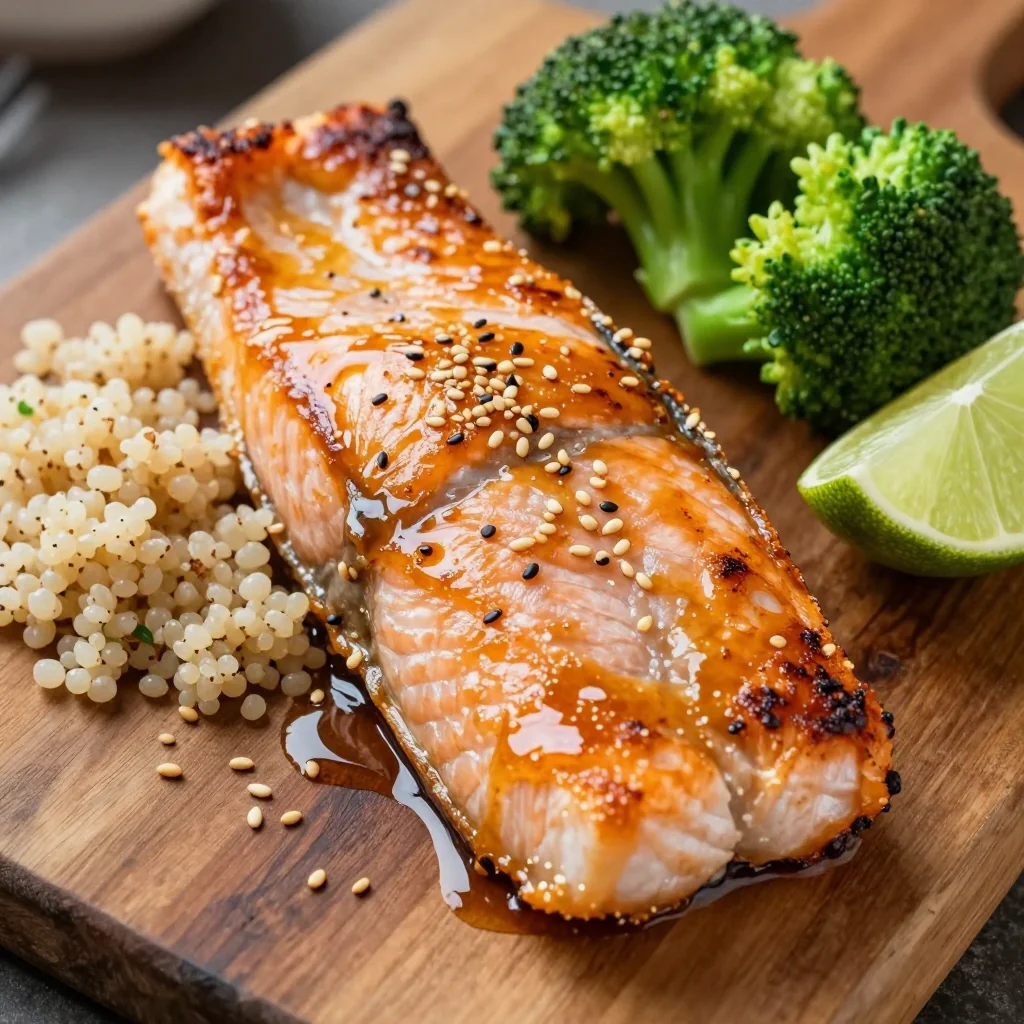
Honey Soy Baked Salmon for a Clean Eating January Dinner
Ingredients
Instructions
- Preheat oven: Set to 400 °F (204 °C). Line a rimmed sheet with parchment and lightly oil.
- Make glaze: Whisk honey, tamari, ginger, garlic, orange zest, juice, and sesame oil. Reserve 1 Tbsp.
- Prep salmon: Pat fillets very dry, place skin-side down on tray, brush with sesame oil, and season with pepper.
- Glaze: Spoon two-thirds of mixture over fish; marinate 10 minutes max.
- Bake: 9–11 minutes until center reaches 125 °F for medium-rare.
- Broil: Brush with reserved glaze; broil 60–90 seconds for char.
- Rest & serve: Let sit 3 minutes, then garnish with scallions and sesame seeds.
Recipe Notes
Salmon continues cooking from residual heat; pull slightly before your desired doneness. For easy cleanup, soak the parchment in hot water and watch the sugars dissolve instantly.