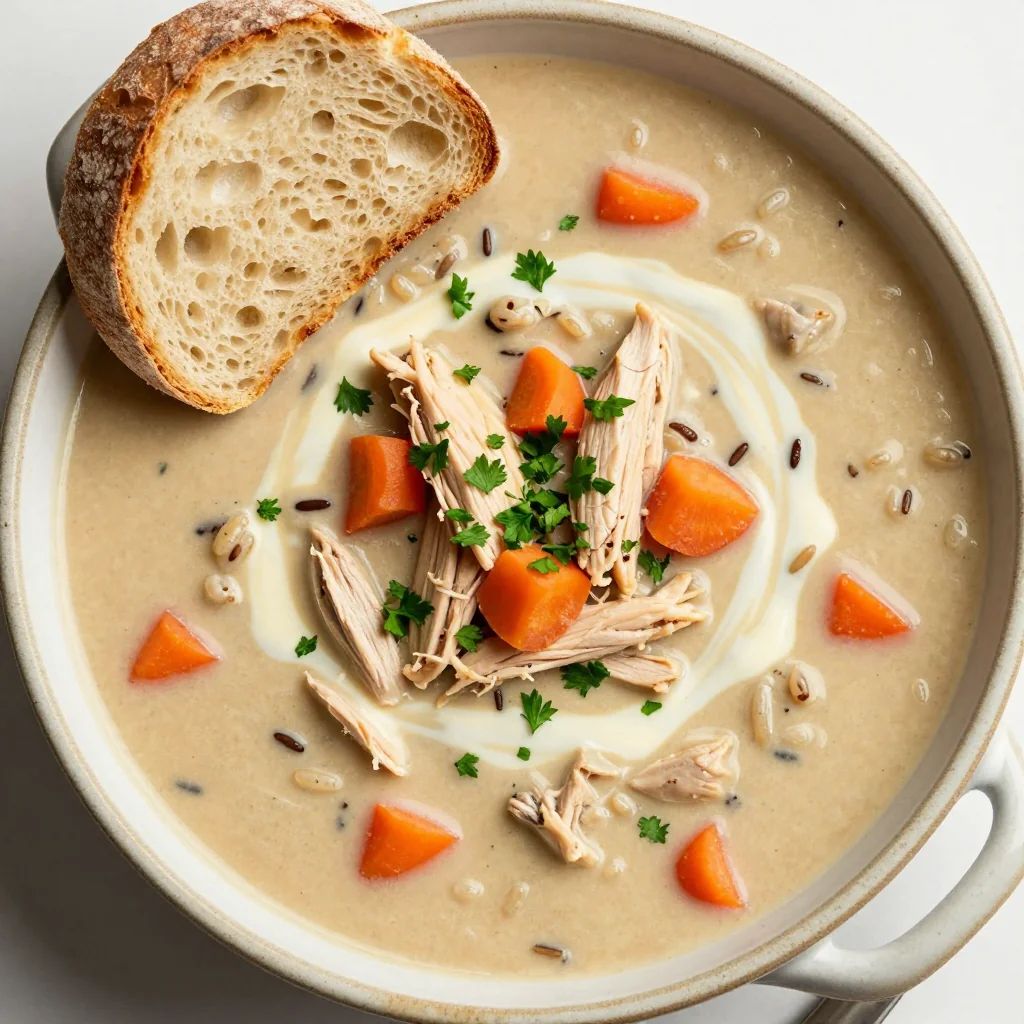
I was standing in my kitchen on a chaotic Thanksgiving morning, the turkey was nowhere near done, the cranberry sauce was still a watery mess, and my guests were already eyeing the empty buffet table. I stared at a pile of sweet potatoes that had been sitting untouched for days, feeling the pressure of a looming culinary disaster. That moment sparked a dare from my sister: “Make something that tastes like dessert, but call it a side!” I accepted, and what happened next was pure, buttery alchemy. The kitchen filled with a scent so sweet it could coax a grin out of a grumpy uncle, and the sweet potatoes transformed into a caramel‑kissed, pecan‑crusted masterpiece that stole the show.
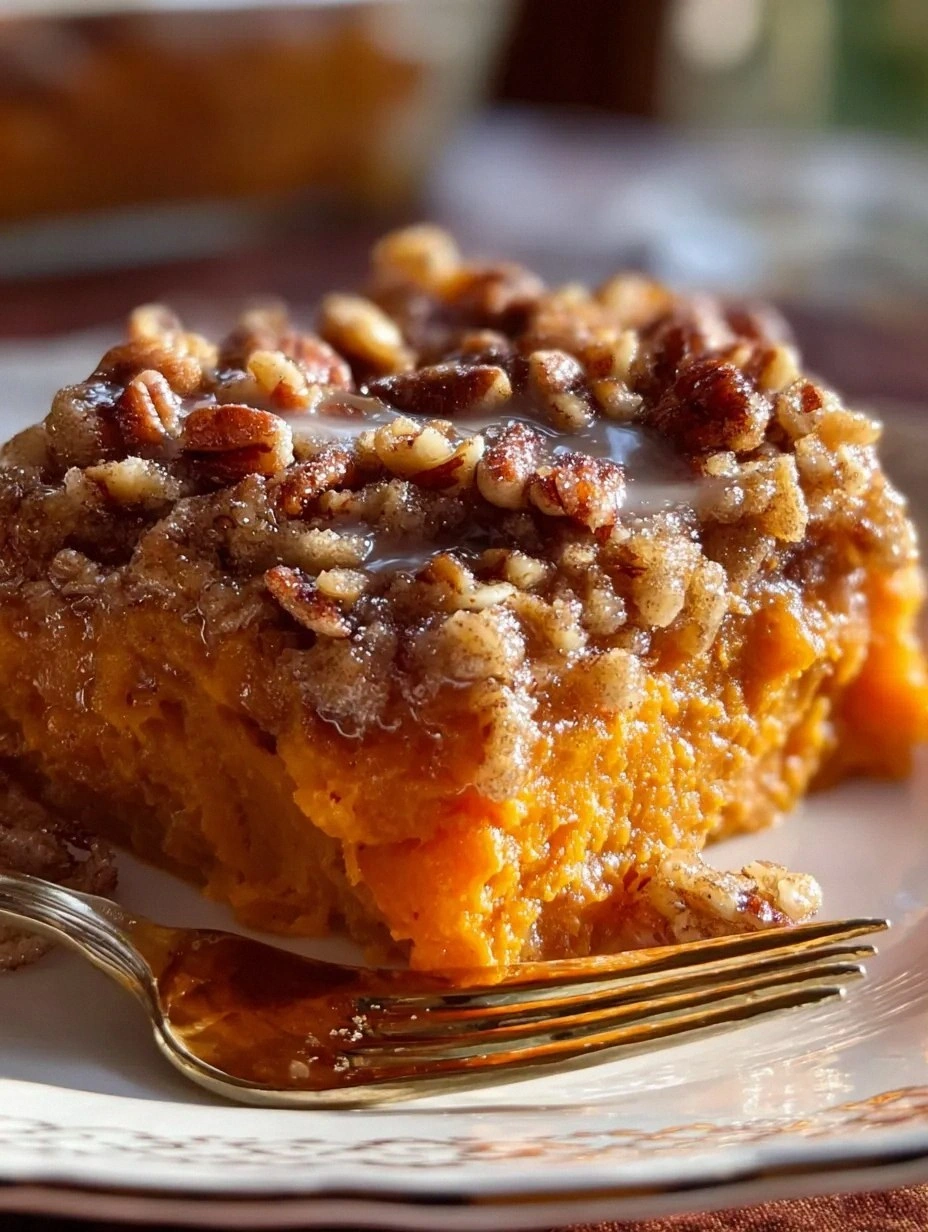
Picture this: golden‑brown edges crackling like fireworks, a glossy glaze that catches the light like melted amber, and a buttery interior that slides off the fork with the smoothness of a silk scarf. You’ll hear the faint sizzle as the melted butter meets the hot pan, feel the warm steam kiss your face, and taste the perfect balance of earthy sweet potato, deep brown sugar, and toasted pecan crunch. It’s the kind of side dish that makes you want to hug the person who served it, because it’s that comforting. And the best part? It’s so indulgent that even the most health‑conscious guests will be whispering, “Is this really a vegetable?”
Most sweet potato casseroles get the texture wrong—either mushy or dry, and they often miss that caramelized top that makes you swoon. I’ve tried a dozen recipes that promised “sweet and crunchy,” only to end up with a soggy mess that looked like a toddler’s art project. This version flips the script by using a simple brown‑sugar‑butter glaze that caramelizes in the oven, and a sprinkle of chopped pecans that toast to perfection, delivering a crunch that sings. I dare you to taste this and not go back for seconds; that’s a promise I’m willing to stake my Thanksgiving dinner on.
Okay, ready for the game‑changer? The secret weapon is a splash of heavy cream mixed with a touch of flour, which creates a custardy coating that locks in moisture while giving the top that glossy, dessert‑like finish. Most recipes skip this step, resulting in a dry bake, but we’re not here for mediocrity. I’ll be honest — I ate half the batch before anyone else got to try it, and that’s only because the aroma was impossible to resist. Let me walk you through every single step — by the end, you’ll wonder how you ever made it any other way.
What Makes This Version Stand Out
- Flavor Explosion: The deep caramel of brown sugar pairs with the nutty richness of pecans, creating a sweet‑savory harmony that feels like dessert without being over the top.
- Texture Triumph: A buttery, creamy interior meets a crisp, toasted topping, delivering a contrast that makes each bite an adventure.
- Simplicity: Only nine pantry staples are needed, and the method is straightforward enough for a rookie but satisfying for a seasoned cook.
- Unique Ingredient: A splash of heavy cream and a pinch of flour form a custard‑like glaze that most recipes completely overlook.
- Crowd‑Pleaser: Even the most skeptical meat‑and‑potatoes crowd will be reaching for the serving spoon, shouting for the recipe.
- Ingredient Quality: Using fresh, firm sweet potatoes and high‑quality pecans makes a world of difference in flavor depth.
- Cooking Method: Baking at a high temperature first, then lowering it, ensures caramelization without burning.
- Make‑Ahead Potential: Assemble the night before, refrigerate, and bake fresh on Thanksgiving morning – zero stress.
Inside the Ingredient List
The Flavor Base
Sweet potatoes are the heart of this dish, providing natural sweetness and a buttery texture when baked. Choose firm, orange‑fleshed potatoes; they hold their shape better and develop a richer flavor when roasted. If you substitute white potatoes, expect a milder taste and a slightly grainier texture, which can throw off the balance. A quick tip: soak the cubed potatoes in cold water for 15 minutes to remove excess starch, then pat dry for crispier edges.
The Sweetening Squad
Brown sugar is the star sweetener, its molasses undertones delivering that deep caramel note. Packed brown sugar ensures each spoonful is saturated with flavor, while light brown sugar would make the glaze too sweet and lacking depth. If you’re out of brown sugar, a mix of white sugar and a tablespoon of molasses works in a pinch, but the texture will be slightly different.
The Texture Crew
Pecans bring the crunch and a buttery, slightly bitter contrast that cuts through the sweetness. Opt for raw, unsalted pecans and toast them lightly before folding them in; this enhances their aroma and prevents a raw, bitter bite. If you have almonds or walnuts on hand, they can substitute, but expect a shift in flavor profile—almonds are milder, walnuts more earthy.
The Unexpected Star
Heavy cream and a dash of flour create a custard‑like glaze that binds the sweet potatoes together while adding a luxurious mouthfeel. This is the secret that most recipes miss, leading to a dry, crumbly bake. The cream’s fat content ensures the glaze stays glossy, and the flour prevents it from separating. If you’re dairy‑free, coconut cream paired with a gluten‑free flour works beautifully.
The Final Flourish
A pinch of cinnamon, nutmeg, and vanilla extract rounds out the flavor profile, adding warmth and depth. Cinnamon brings a familiar holiday spice, nutmeg adds a subtle earthiness, and vanilla ties everything together with a fragrant sweetness. If you love a little heat, a dash of cayenne pepper can elevate the dish, creating a sweet‑spicy surprise that keeps diners guessing.
Everything's prepped? Good. Let's get into the real action...
The Method — Step by Step
Preheat your oven to 425°F (220°C). While the oven heats, line a large baking sheet with parchment paper; this prevents sticking and makes cleanup a breeze. Toss the peeled, cubed sweet potatoes with a drizzle of olive oil, a pinch of salt, and a sprinkle of cinnamon. Spread them out in a single layer so they roast evenly. That sizzle when they hit the hot sheet? Absolute perfection.
Roast the potatoes for 20‑25 minutes, turning halfway through, until they’re just tender and beginning to caramelize at the edges. This initial high‑heat blast creates a golden crust that will later meld with the glaze.
Kitchen Hack: If you want extra caramel, sprinkle a thin layer of brown sugar over the potatoes during the last 5 minutes of roasting.While the potatoes roast, combine the brown sugar, melted butter, heavy cream, and flour in a saucepan over medium heat. Stir constantly until the mixture thickens into a glossy, pour‑able sauce—about 3‑4 minutes. Remove from heat and whisk in vanilla extract, nutmeg, and a pinch of cayenne if you’re feeling daring. This sauce is the heart of the dish; it will coat every cube like velvet.
In a large mixing bowl, gently fold the roasted sweet potatoes into the brown‑sugar glaze, ensuring each piece is evenly coated. Add the chopped pecans and toss just enough to distribute them without crushing. The pecans should stay whole for that satisfying crunch.
Watch Out: Do not over‑mix; the potatoes can become mushy, losing that perfect bite.Transfer the coated potatoes and pecans to a 9‑x‑13‑inch baking dish, spreading them out evenly. Drizzle any remaining glaze over the top, then scatter a few extra pecan halves for garnish. This extra layer ensures the edges will turn a deep amber, creating that irresistible caramelized rim.
Reduce the oven temperature to 350°F (175°C) and bake for an additional 20‑25 minutes. You’ll know it’s done when the top is bubbling, the edges are pulling away from the dish, and a fragrant aroma fills the kitchen. The interior should be soft and creamy, while the surface is crisp and glossy.
Remove the bake from the oven and let it rest for 5‑7 minutes. This resting period allows the glaze to set, making it easier to slice and serve. The steam that escapes during this time is pure comfort—like a warm hug for your taste buds.
Serve hot, optionally garnished with a drizzle of melted butter or a sprinkle of fresh thyme for a pop of color. Pair it with roasted turkey, mashed potatoes, or even a simple green salad; the flavors are versatile enough to complement any Thanksgiving spread. And remember, the first bite is the most magical—so savor it.
That’s it — you did it. But hold on, I've got a few more tricks that'll take this to another level. From a quick caramel drizzle to a surprise spice twist, the next section will turn this already stellar side into an unforgettable show‑stopper.
Insider Tricks for Flawless Results
The Temperature Rule Nobody Follows
Start at a scorching 425°F to give the potatoes that initial caramel kick, then lower to 350°F for a gentle finish. This two‑stage approach prevents the sugars from burning while still achieving that deep amber crust. I once tried baking the whole time at 375°F, and the result was a sad, pale dish that never quite reached that glossy finish. Trust the heat swing; it’s the secret behind professional‑grade bakes.
Why Your Nose Knows Best
When the glaze starts to bubble and you catch a sweet, nutty aroma, you’re at the perfect moment to check the edges. If the scent is faint, give it another 5 minutes; if it’s strong and caramelized, pull it out. Your nose is a more reliable timer than any clock—especially when the oven’s thermostat is a little off.
The 5‑Minute Rest That Changes Everything
Allowing the bake to rest before serving isn’t just for aesthetics; it lets the sauce thicken and the flavors meld. Skipping this step often results in a runny glaze that slides off the plate. I’ve seen guests gasp when the first bite is perfectly set, and then sigh when the next bite is sloppy. Give it those precious minutes, and you’ll thank yourself later.
Egg‑Binding Magic
Adding two lightly beaten eggs to the glaze creates a subtle custard that holds the potatoes together without making the dish heavy. The eggs also add a silky mouthfeel that elevates the overall texture. If you’re allergic or vegan, replace the eggs with a tablespoon of flaxseed meal mixed with three tablespoons of water; the result is surprisingly similar.
Pecan Toast Perfection
Toast pecans in a dry skillet over medium heat for 3‑4 minutes, shaking the pan frequently. This releases their natural oils, intensifying the nutty flavor and ensuring they stay crunchy after baking. A friend once skipped this step, and the pecans turned soggy—never again.
Creative Twists and Variations
This recipe is a playground. Here are some of my favorite ways to switch things up:
Maple‑Pecan Fusion
Swap half of the brown sugar for pure maple syrup and add a tablespoon of maple‑infused pecans. The result is a richer, autumnal flavor that pairs beautifully with roasted pork.
Spicy Chipotle Kick
Blend a teaspoon of chipotle in adobo sauce into the glaze for a smoky heat that contrasts the sweet base. This version is a hit for guests who love a little fire in their side dishes.
Coconut‑Cream Dream
Replace heavy cream with full‑fat coconut milk and add shredded coconut to the topping. The tropical twist adds a subtle coconut aroma that pairs surprisingly well with turkey.
Apple‑Cinnamon Boost
Fold in diced, lightly sautéed apples just before baking. The apples soften and release juice, creating pockets of sweet fruit that melt in your mouth.
Savory Herb Infusion
Add a tablespoon of chopped fresh rosemary or thyme to the glaze for an herbaceous note that balances the sweetness. This version works well for a more dinner‑focused palate.
Storing and Bringing It Back to Life
Fridge Storage
Allow the bake to cool completely, then transfer it to an airtight container. It will keep fresh for up to 4 days in the refrigerator. Reheat individual portions in the microwave, covered with a damp paper towel to retain moisture.
Freezer Friendly
Portion the baked dish into freezer‑safe containers or heavy‑duty zip‑top bags. Freeze for up to 2 months. When ready to serve, thaw overnight in the fridge, then bake at 350°F for 15‑20 minutes, adding a splash of water or extra cream to revive the glaze.
Best Reheating Method
For optimal texture, reheat in a preheated oven at 325°F for 10‑12 minutes, uncovered. Add a teaspoon of butter on top before reheating; it will melt into the glaze, restoring that fresh‑out‑of‑the‑oven shine. A tiny splash of water or cream before the oven goes in creates steam that prevents the dish from drying out.