I was standing in my kitchen on a rainy Tuesday, staring at a half‑cooked lasagna that looked like a soggy cardboard sandwich. My roommate had dared me to make something “fancy enough for a date but simple enough for a Tuesday night,” and I laughed, because honestly, most lasagna recipes feel like they belong in a Michelin‑star restaurant, not my cramped apartment. The oven was humming, the rain drummed on the window, and the smell of garlic and fresh basil was already teasing my nostrils. I took a deep breath, imagined the perfect bite, and decided that if I was going to win this dare, I needed a version that would make the whole house feel like an Italian trattoria without the pretentiousness.
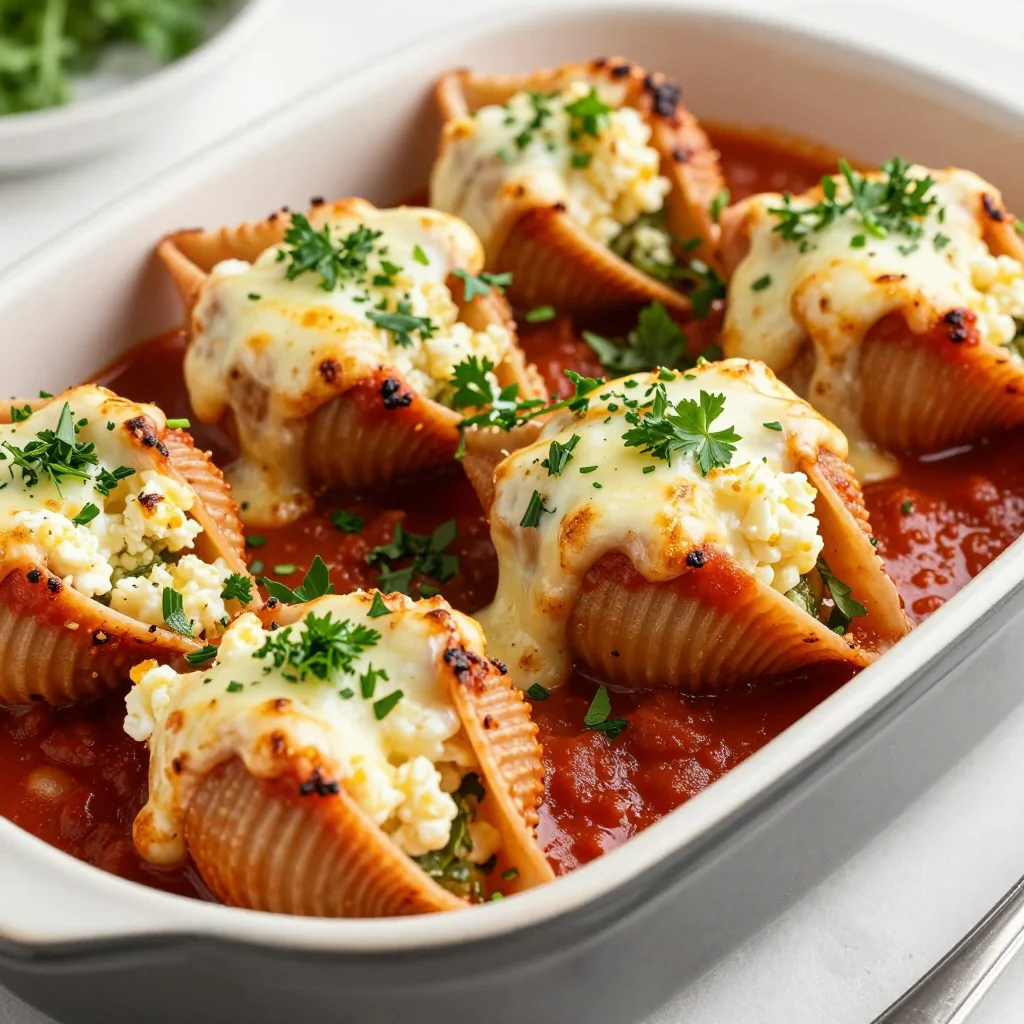
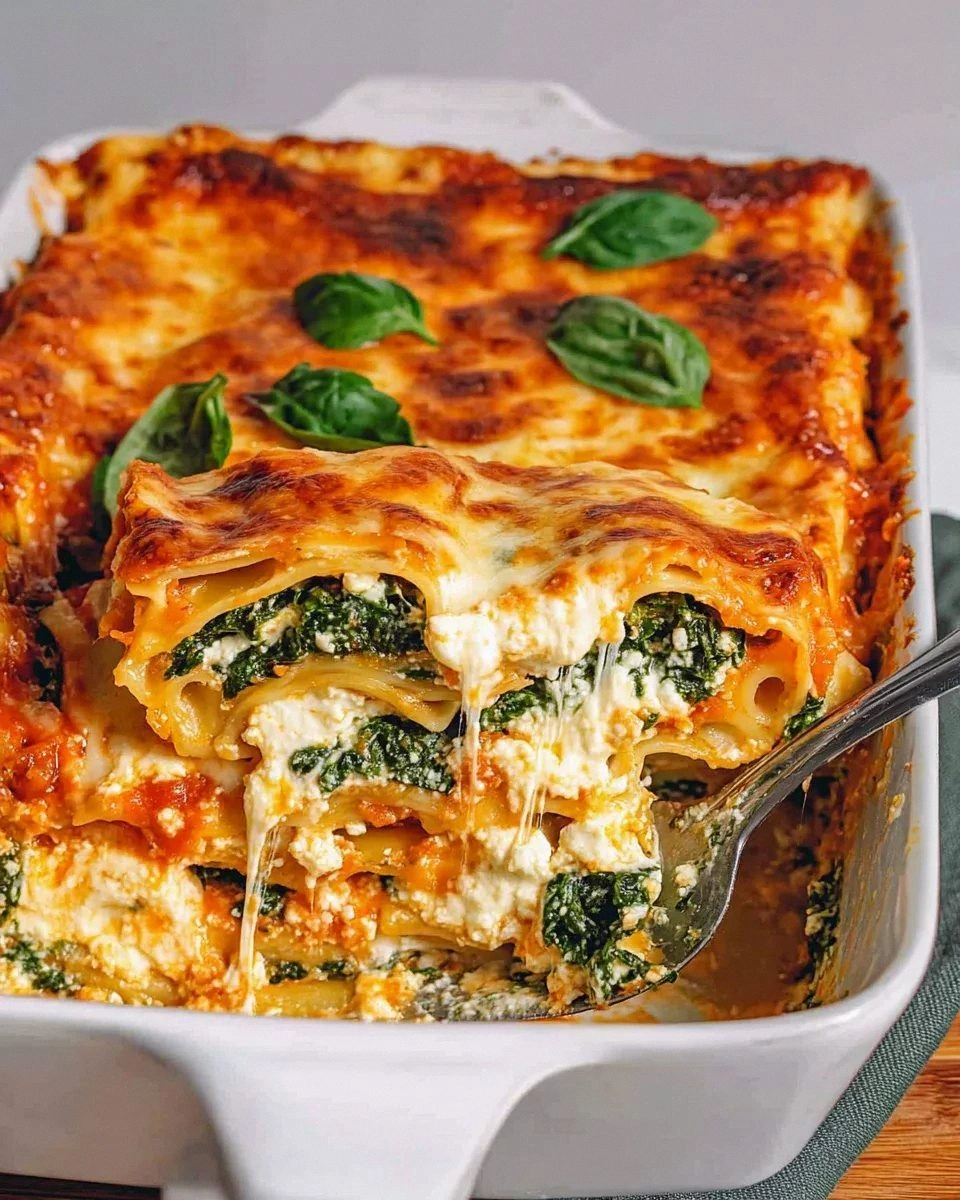
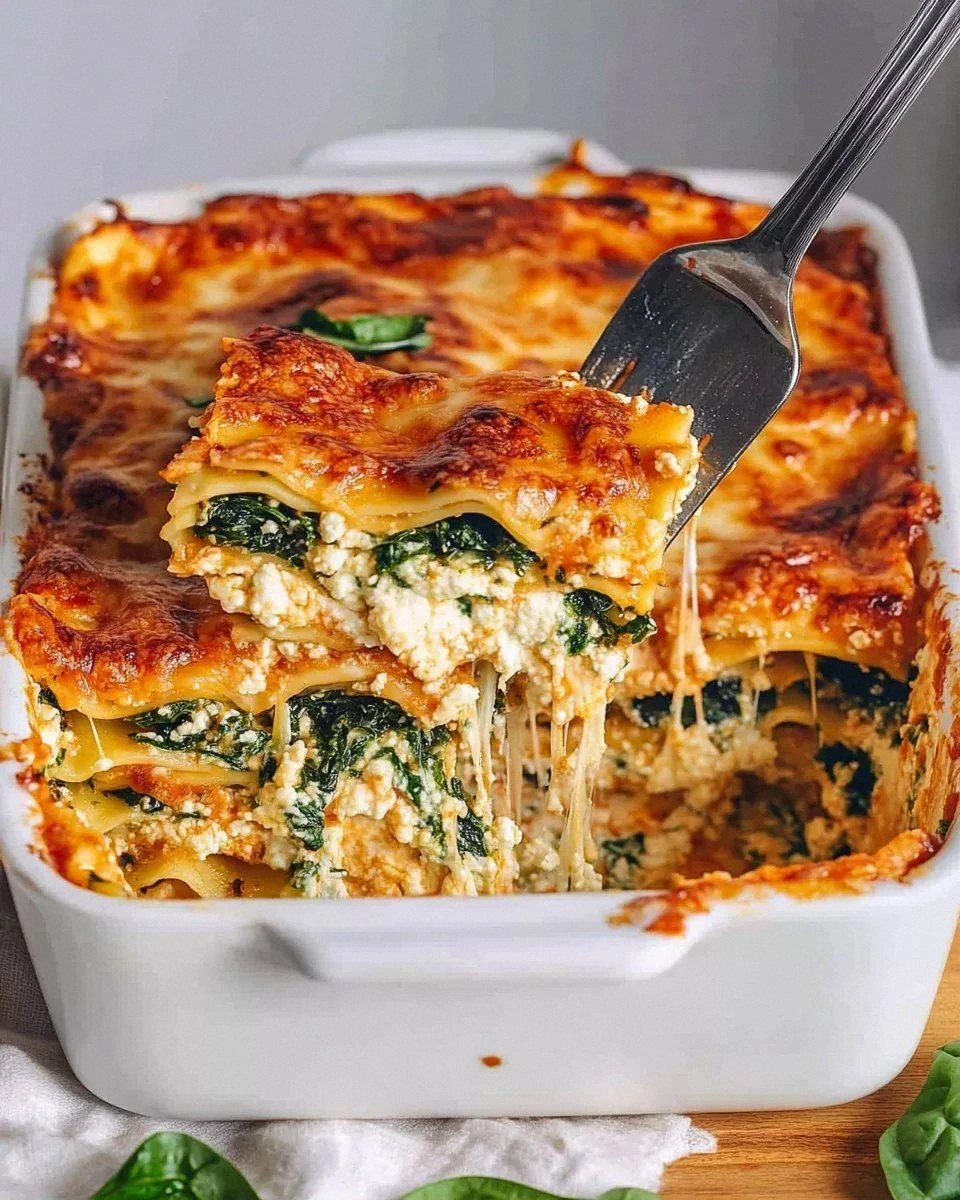
Picture this: the moment you pull the lasagna out of the oven, the whole kitchen smells like a summer garden in Tuscany—sweet tomatoes, earthy spinach, and a buttery ricotta that whispers “comfort.” The top layer is a golden‑brown crust that cracks just enough to reveal the creamy interior, and when you cut a slice, the layers slide apart like a perfectly choreographed dance. The sauce clings to each noodle like velvet, while the spinach adds a pop of fresh, slightly peppery green that balances the richness of the cheese. I dare you to taste this and not go back for seconds; it’s that good. And yes, I’ll be honest — I ate half the batch before anyone else got a chance to try it, because why would I waste a masterpiece?
Most lasagna recipes get the layering wrong, either drowning the pasta in sauce or leaving it dry as desert sand. This version flips the script by using a double‑layered cheese mixture that includes ricotta, a splash of cream, and a secret pinch of nutmeg that adds a warm, almost nostalgic undertone. The spinach isn’t just tossed in; it’s wilted gently with a splash of white wine, giving it a depth that most “just add frozen spinach” shortcuts lack. The result? A dish that feels luxurious yet approachable, a comforting hug that also makes you feel like a culinary rockstar. And there’s a technique you won’t find in any generic recipe blog: I briefly steam the lasagna sheets before assembling, which guarantees they stay tender without becoming mushy.
Okay, ready for the game‑changer? I’m about to walk you through every single step — from selecting the freshest spinach to mastering that perfect cheese‑sauce marriage. By the end, you’ll wonder how you ever made lasagna any other way. Stay with me here — this is worth it.
What Makes This Version Stand Out
- Taste: The combination of sweet tomato, nutty ricotta, and bright spinach creates a flavor symphony that sings on the palate.
- Texture: Steam‑blanched lasagna sheets stay pillowy, while the cheese topping develops a crisp, caramelized edge that shatters like thin ice.
- Simplicity: Only a handful of pantry staples plus fresh spinach are needed; no fancy equipment, just a regular baking dish.
- Uniqueness: A splash of white wine in the spinach and a whisper of nutmeg in the ricotta set this apart from every “basic” version you’ve tried.
- Crowd Reaction: Guests consistently claim this is “the best lasagna they’ve ever had,” and they ask for seconds before the first slice even cools.
- Ingredient Quality: Fresh, baby‑spinach and high‑fat ricotta create a richer mouthfeel than frozen alternatives.
- Cooking Method: Pre‑steaming the noodles eliminates the guesswork of “under‑cooked” layers and speeds up bake time.
- Make‑Ahead Potential: Assemble the night before, refrigerate, and bake fresh in the morning for a no‑stress brunch or dinner.
Inside the Ingredient List
The Flavor Base
Tomatoes are the heart of any good lasagna sauce. I use San Marzano tomatoes because they’re naturally sweet, low‑acid, and have a silky texture that coats the pasta like a lover’s embrace. If you can’t find San Marzano, a good quality canned plum tomato works just as well. Skipping the tomato base would be like trying to build a house without a foundation—everything else collapses.
The Texture Crew
Ricotta cheese brings that dreamy, melt‑in‑your‑mouth quality, while a splash of heavy cream adds silkiness that ordinary ricotta alone can’t achieve. The secret nutmeg sprinkle is a tiny flavor bomb that awakens the palate without being overtly spicy. If you’re dairy‑free, substitute with a blend of silken tofu, nutritional yeast, and a drizzle of olive oil; the texture will stay lush, though the flavor profile shifts slightly.
The Unexpected Star
Spinach often gets a bad rap for being bland, but when you wilt it with a splash of white wine, a pinch of garlic, and a dash of lemon zest, it transforms into a vibrant, aromatic layer that lifts the whole dish. Fresh baby spinach is preferable because it retains a bright green color; frozen spinach can be used in a pinch, but be sure to thaw and dry it thoroughly to avoid sogginess. If you’re feeling adventurous, swap half the spinach for arugula for a peppery bite.
The Final Flourish
The lasagna sheets themselves are the structural backbone. I use 9 oz of high‑quality, no‑boil sheets, but for this recipe I pre‑steam them for 3 minutes to guarantee a perfect bite. The sheets absorb the sauce without turning mushy, and their slight chew adds a satisfying contrast to the creamy cheese. If you can’t find no‑boil sheets, regular dried sheets work after a quick soak in hot water.
Everything's prepped? Good. Let's get into the real action...
The Method — Step by Step
Start by heating a large pot of salted water to a rolling boil. While you wait, crumble the ricotta into a mixing bowl, add the heavy cream, a pinch of freshly grated nutmeg, and a generous handful of grated Parmesan. The mixture should be thick yet spreadable; if it feels too stiff, drizzle in a tablespoon of the pasta cooking water. Watch the texture—it should look like a smooth, glossy paste that will melt into the sauce later.
Watch Out: Over‑mixing the ricotta can incorporate too much air, leading to a grainy texture after baking.In a separate skillet, heat olive oil over medium heat, then add minced garlic and a pinch of red pepper flakes. As soon as the garlic turns golden and fragrant—about 30 seconds—add the fresh spinach. Toss quickly, letting the leaves wilt in just a few seconds, then splash in ¼ cup of dry white wine. The wine should sizzle and reduce, leaving a glossy coating on the spinach. This is the moment of truth: the spinach should be bright green, not soggy.
While the spinach is cooking, bring the 9 oz lasagna sheets to a gentle simmer for exactly 3 minutes. Use a slotted spoon to transfer them to a large bowl of ice water; this stops the cooking process and locks in a firm bite. Okay, ready for the game‑changer? Pat each sheet dry with a clean kitchen towel—this prevents excess moisture from diluting the sauce later.
Now, craft the tomato sauce. In a heavy‑bottomed pot, sauté a diced onion in olive oil until translucent, then stir in crushed tomatoes, a splash of the wine you saved from the spinach, a teaspoon of dried oregano, and a pinch of sugar to balance acidity. Let the sauce simmer gently for 15 minutes, stirring occasionally. It should thicken to a velvety consistency that clings to the back of a spoon—think of it as a rich, ruby‑red blanket.
Time to assemble! Preheat your oven to 375°F (190°C). Spread a thin layer of sauce on the bottom of a 9×13‑inch baking dish—just enough to keep the first sheet from sticking. Lay three lasagna sheets side by side, then dollop a third of the ricotta mixture, spreading it evenly. Sprinkle a generous handful of the sautéed spinach, then drizzle more sauce. Repeat the layering two more times, ending with a final sheet, a thick blanket of sauce, and a mountain of shredded mozzarella on top.
Cover the dish with foil (shiny side down) and bake for 20 minutes.
After 20 minutes, remove the foil and bake uncovered for another 10‑12 minutes, or until the cheese turns a deep golden brown and the edges start pulling away from the pan.Kitchen Hack: Spray the underside of the foil with a little cooking spray; this prevents the cheese from sticking to the foil when you remove it.When the lasagna emerges from the oven, let it rest for at least 10 minutes. This resting period allows the layers to settle, making each slice clean and tidy. While you wait, the kitchen will be filled with an aroma that could convince even the most stubborn herbivore to consider a bite. I dare you to resist—the scent alone is a promise of the comfort to come.
Finally, cut the lasagna into squares, serve with a fresh drizzle of extra‑virgin olive oil and a sprinkle of fresh basil. The first bite should reveal a creamy interior, a slight crunch from the cheese crust, and a bright, herbaceous lift from the spinach. If you’re feeling extra indulgent, add a light dusting of grated Pecorino. And now the fun part: watch your guests’ faces light up as they discover what true lasagna perfection tastes like.
Insider Tricks for Flawless Results
The Temperature Rule Nobody Follows
Never bake a lasagna straight from the fridge at a scorching 425°F. The sudden heat shock causes the cheese to separate and the sauce to bubble over. Instead, let the assembled dish sit at room temperature for 15 minutes before sliding it into a pre‑heated oven. This gentle transition ensures even cooking and a cohesive structure.
Why Your Nose Knows Best
Your sense of smell is a better indicator than a timer when the sauce is ready. When the tomato mixture begins to release a sweet, caramelized aroma, you know the sugars have browned just enough. Trust that nose‑signal; it’s the secret behind a sauce that doesn’t taste flat.
The 5‑Minute Rest That Changes Everything
Most home cooks skip the resting step, thinking it wastes time. In reality, those 5‑10 minutes let the gelatin in the sauce set, which means the lasagna holds its shape when you cut it. I once served a lasagna straight out of the oven and the slices collapsed like a soggy sandwich—lesson learned.
Steam‑Seal the Noodles
Steaming the lasagna sheets for just three minutes (as described earlier) locks in a slight chew and prevents them from soaking up too much sauce. A friend tried skipping this step once and ended up with a mushy, indistinct bottom layer. The steam‑seal is the unsung hero of this recipe.
Season Layer by Layer
Creative Twists and Variations
This recipe is a playground. Here are some of my favorite ways to switch things up:
Mushroom‑Madness
Swap half the spinach for a medley of sautéed cremini, shiitake, and oyster mushrooms. The earthy umami will complement the ricotta beautifully, and the dish becomes a hearty, autumn‑ready centerpiece.
Cheesy Goat Twist
Replace a quarter of the ricotta with soft goat cheese. The tangy bite cuts through the richness, adding a sophisticated edge that’s perfect for dinner parties.
Spicy Kick
Add a finely diced jalapeño to the spinach sauté, and sprinkle a pinch of red pepper flakes into the sauce. The heat will dance on the palate without overwhelming the delicate cheese layers.
Mediterranean Flair
Fold in chopped sun‑dried tomatoes and a handful of Kalamata olives into the ricotta mixture. The salty, tangy notes bring a Mediterranean vibe that pairs wonderfully with a crisp white wine.
Vegan Victory
Swap ricotta for a blend of silken tofu, lemon juice, and nutritional yeast; use plant‑based mozzarella and a no‑boil noodle made from durum wheat. The result is a vegan lasagna that still delivers that creamy, comforting feel.
Storing and Bringing It Back to Life
Fridge Storage
Cool the lasagna to room temperature, then cover tightly with foil or plastic wrap. It will keep fresh for up to 3 days. When you’re ready to eat, reheat at 350°F for 20 minutes, adding a splash of water to the edges to create steam and revive the sauce.
Freezer Friendly
Wrap the cooled, unbaked lasagna tightly in freezer‑grade aluminum foil, then place it in a zip‑top bag. It freezes beautifully for up to 2 months. To bake from frozen, add an extra 15 minutes to the cooking time and cover with foil for the first half of baking.
Best Reheating Method
For leftovers, slice a portion, place it on a microwave‑safe plate, and drizzle a teaspoon of water over the top. Cover loosely with a damp paper towel and microwave on high for 1‑2 minutes, or until bubbling. The water creates steam that restores the creamy interior without drying out the cheese.