Love this? Pin it for later! 📌
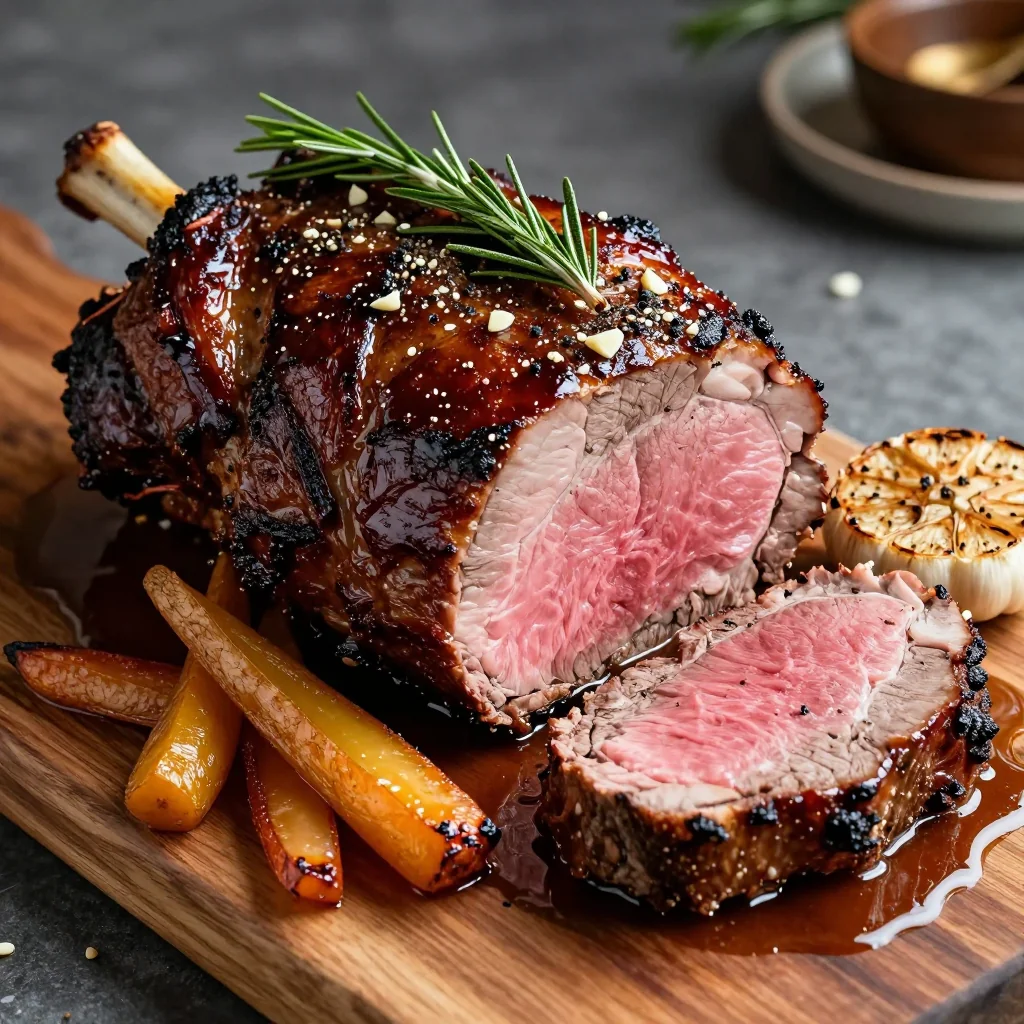
Ring in the New Year with the most magnificent centerpiece your table has ever seen: a perfectly seasoned, gorgeously browned, melt-in-your-mouth prime rib roast that will have your guests talking well into the next year. This isn't just dinner—it's a memory in the making.
I still remember the first New Year's Eve I attempted prime rib. My hands were literally shaking as I pulled the $200 roast from the oven, terrified I'd overcook it and ruin everyone's holiday. But when I sliced into that glistening, rosy center and watched the juices pool onto the cutting board, I knew I'd discovered something magical. The oohs and aahs from my family as they took their first bites? Priceless. Now, a decade later, this showstopper has become our beloved tradition—so much so that my kids refuse to celebrate New Year's without it.
What makes this recipe foolproof isn't just the technique (though we'll cover every detail). It's the confidence that comes from understanding why each step matters. From selecting the perfect cut to achieving that restaurant-quality crust, I'm sharing every secret I've learned through years of trial, error, and triumph. Whether you're hosting an intimate dinner for four or a lavish party for twenty, this prime rib will elevate your celebration from special to extraordinary.
Why This Recipe Works
- Reverse-sear method: Slow-roasting followed by high-heat browning ensures edge-to-edge perfection with a dramatic crust
- Herb-crusted exterior: A fragrant blend of fresh rosemary, thyme, and garlic creates an irresistible aromatic bark
- Precision timing: My foolproof chart removes all guesswork—no more overcooked or undercooked disasters
- Make-ahead friendly: Most prep happens the day before, letting you enjoy your party stress-free
- Impressive presentation: The bone-in rib rack creates a stunning tableside carving moment worthy of a Michelin star restaurant
- Minimal ingredients: Just 8 components let the beef's natural flavor shine—no complicated techniques required
Ingredients You'll Need
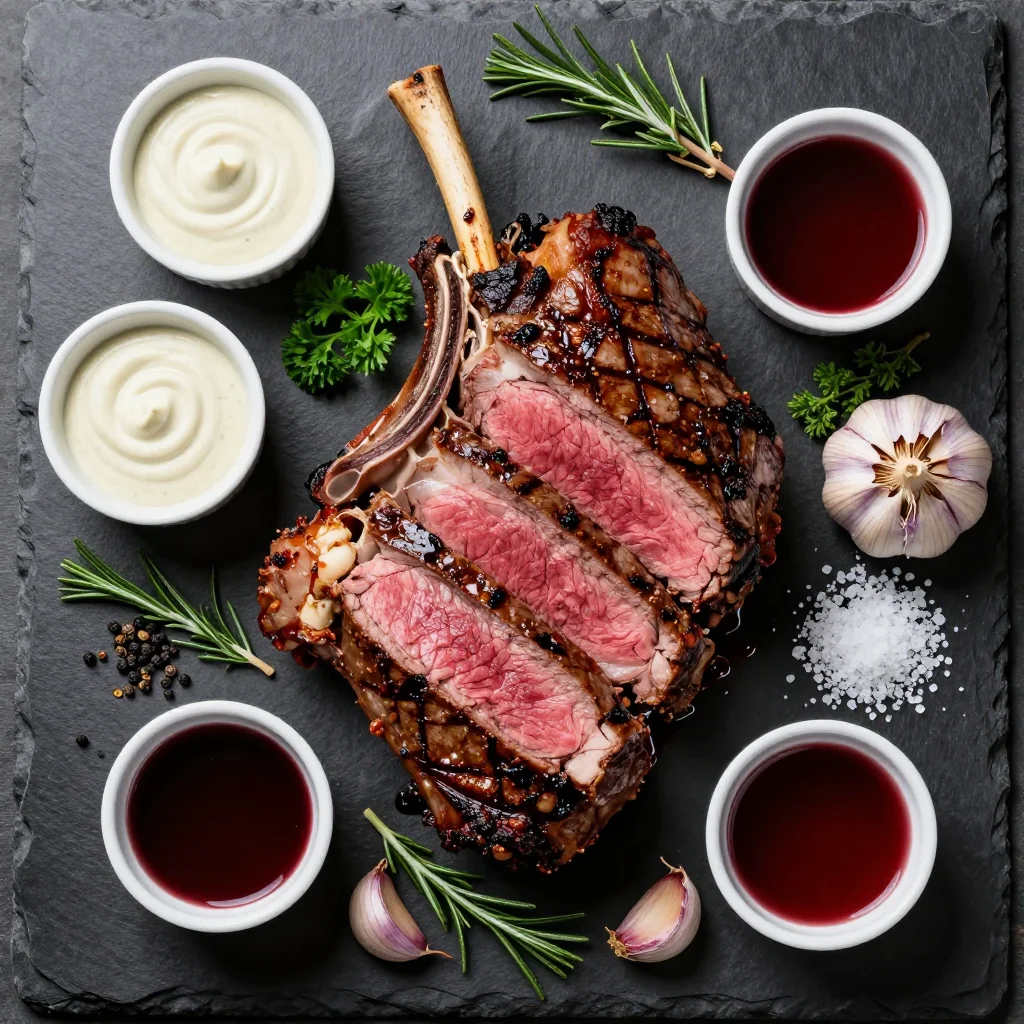
Quality ingredients make all the difference when you're preparing a centerpiece dish. Here's everything you need, plus my insider tips for selecting the best:
Prime Rib Roast (8-10 pounds, bone-in): Look for a roast with excellent marbling—those white flecks of fat running through the meat ensure tenderness and flavor. I prefer bone-in because the bones act as a natural roasting rack and add incredible depth. Ask your butcher to "French" the bones (clean them of meat and fat) for an elegant presentation. Plan on 1 pound per person if you're serving hungry guests, or 3/4 pound if you have multiple sides.
Kosher Salt (1/3 cup): Don't substitute table salt here! Kosher salt's larger crystals create the perfect crust. I use Diamond Crystal brand exclusively—it's less salty than Morton, giving you more control. Salt the roast 24-48 hours ahead for maximum flavor penetration.
Fresh Black Pepper (2 tablespoons): Whole peppercorns, freshly cracked. The pre-ground stuff can't compete with the aromatic oils released when you crack peppercorns just before use. I crack mine coarsely for textural interest.
Fresh Rosemary (3 tablespoons): Woody herbs like rosemary hold up beautifully to long roasting. Strip the leaves from tough stems and chop finely. In a pinch, dried works—use 1 tablespoon—but fresh is worth splurging on for New Year's.
Fresh Thyme (2 tablespoons): Thyme's earthy flavor complements beef perfectly. Same rule as rosemary: fresh is best, but dried works. If using dried, reduce to 2 teaspoons.
Garlic (8 cloves): Fresh garlic, minced into a paste. The enzymes in garlic help tenderize the meat while adding incredible aroma. Don't use the pre-minced jarred stuff—it tastes flat and can burn during roasting.
Olive Oil (1/4 cup): Extra-virgin for flavor. The oil helps the herb mixture adhere and promotes browning. You could substitute melted butter for an even richer crust.
Beef Broth (2 cups): For the au jus. Use low-sodium so you can control saltiness. Homemade is incredible, but a quality store-bought broth works perfectly.
How to Make Showstopper Prime Rib Roast for New Year's Celebration
Prep and Season 24-48 Hours Ahead
Pat your roast completely dry with paper towels—moisture is the enemy of browning. In a small bowl, combine salt, pepper, rosemary, thyme, and garlic. Rub olive oil all over the roast, then massage the herb mixture into every surface, including between the bones. Place on a rack set in a rimmed baking sheet, uncovered, in the refrigerator. This dry-brining period is crucial—it seasons the meat deeply and helps create that coveted crust.
Remove and Temper
New Year's Eve morning, remove the roast from the refrigerator 4-6 hours before cooking. This brings it to room temperature, ensuring even cooking. Cold meat in a hot oven = overcooked exterior and raw center. Place it on the counter (still on the rack) and let it rest peacefully while you prep other dishes.
Pre-sear for Maximum Flavor
Heat a large skillet over high heat until smoking. Sear the roast on all sides, including the ends, for 2-3 minutes per side until deeply browned. This creates the Maillard reaction—that magical chemical process that develops hundreds of flavor compounds. Don't rush this step; those brown bits are liquid gold.
Slow-Roast Low and Slow
Preheat oven to 200°F. Place roast bone-side down on a rack in a roasting pan. Insert a probe thermometer into the center (not touching bone). Roast until internal temperature reaches 120°F for rare, 125°F for medium-rare, or 130°F for medium. This takes approximately 3-4 hours for an 8-10 pound roast. Resist opening the oven door—every peek drops the temperature by 25°F and extends cooking time.
Rest and Carry-over Cooking
Remove roast when it's 10°F below your target temperature. Tent loosely with foil and rest for 30-45 minutes. The internal temperature will rise another 10-15 degrees (carry-over cooking). This crucial rest allows juices to redistribute—cut too early and they'll flood your board, leaving dry meat.
Final High-Heat Sear
Crank oven to 550°F or as high as it goes. Return roast for 6-10 minutes until exterior is sizzling and herbs are crispy. This final blast creates the dramatic crust that makes guests gasp. Watch carefully—it can go from perfect to burnt in 30 seconds.
Make the Au Jus
While roast rests, place roasting pan over medium heat. Add beef broth and scrape up browned bits with a wooden spoon. Simmer 10 minutes, strain, and season. This simple sauce captures all the caramelized flavors from the pan—pure magic.
Carve and Serve
Remove bones by cutting along the ribcage (they'll practically fall off). Slice against the grain into 1/2-inch thick pieces. Arrange on a platter, drizzle with au jus, and prepare for the standing ovation. Garnish with fresh herbs for that magazine-worthy presentation.
Expert Tips
Invest in a Probe Thermometer
This is non-negotiable for perfect prime rib. The $30 investment pays for itself with the first perfectly cooked roast. Set the alarm for 10°F below your target temp and relax.
Don't Skip the Dry Brine
The 24-48 hour salt cure seasons the meat throughout, not just the surface. It also helps retain moisture during cooking, giving you that juicy, rosy center.
Plan 1 Hour per Pound
At 200°F, prime rib cooks approximately 1 hour per pound. Add 30 minutes resting time plus 30 minutes for the final sear. Better to finish early than late!
Save the Drippings
Those browned bits in the pan are liquid gold. Deglaze with broth for au jus, or whisk with flour for the world's most incredible gravy. Never wash them down the drain!
Variations to Try
Horseradish Crust
Mix 1/4 cup prepared horseradish with herbs before rubbing. The tangy heat pairs beautifully with rich beef and adds a golden crust.
Coffee-Rubbed
Add 2 tablespoons finely ground espresso to the herb mixture. Coffee's bitterness enhances beef's natural flavors and creates a stunning dark crust.
Boneless Option
Use a boneless ribeye roast and tie with kitchen twine every 2 inches. Cooks 20% faster and carves easily, though you lose some flavor from the bones.
Smoked Prime Rib
Smoke at 225°F with oak or hickory until 10°F below target, then reverse-sear on a hot grill. Adds incredible depth and a beautiful smoke ring.
Storage Tips
Refrigerating Leftovers
Wrap tightly in plastic wrap, then foil, or store in airtight containers. Leftovers keep 3-4 days refrigerated. For best results, slice only what you'll eat—the roast stays juicier when stored whole.
Freezing
Wrap individual portions in plastic wrap, then foil, then place in freezer bags. Freeze up to 3 months. Thaw overnight in refrigerator. Reheat gently in 250°F oven with a splash of broth.
Make-Ahead Strategy
Cook prime rib 1 day ahead to rare (120°F). Cool completely, refrigerate uncovered. New Year's Day, bring to room temperature, then reheat at 250°F until warmed through (about 45 minutes). Finish with the high-heat sear.
Frequently Asked Questions
Use a probe thermometer! Remove at 120°F for rare (bright red center), 125°F for medium-rare (warm red center), or 130°F for medium (pink center). The temperature will rise 10-15°F during resting. Don't rely on color alone—use temperature for foolproof results.
Toughness comes from overcooking or poor meat quality. Choose USDA Choice or Prime grade, cook low and slow, and never exceed medium doneness. Most importantly, slice against the grain—this shortens the muscle fibers, making each bite tender.
I don't recommend it. Vegetables need higher heat and will burn at 200°F. Instead, roast them separately at 400°F while the prime rib rests. You'll get perfectly caramelized vegetables without compromising your roast.
Bold reds are classic—think Cabernet Sauvignon, Bordeaux, or Syrah. The tannins cut through the richness beautifully. For a New Year's twist, I love serving with Champagne—the bubbles cleanse the palate between each luxurious bite.
Absolutely! For roasts under 4 pounds, reduce oven temperature to 175°F and start checking temperature after 90 minutes. The method remains the same, but timing becomes more critical. I still recommend bone-in for maximum flavor.
Keep it classic and elegant: Yorkshire pudding to catch the juices, horseradish cream for brightness, roasted asparagus or Brussels sprouts for color, and creamy mashed potatoes. Let the prime rib be the star—everything else should complement, not compete.
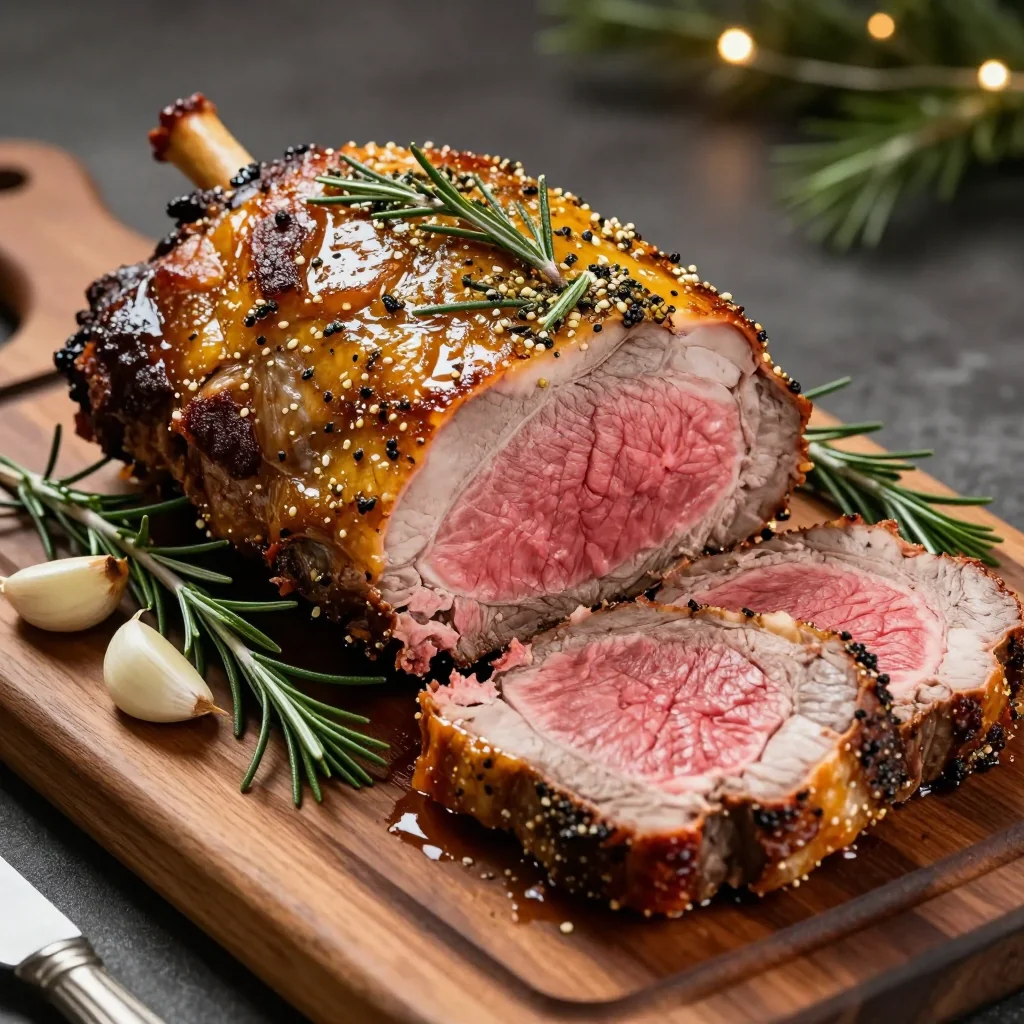
Showstopper Prime Rib Roast for New Year's Celebration
Ingredients
Instructions
- Season: Mix salt, pepper, herbs, and garlic. Rub roast with oil, then coat with herb mixture. Refrigerate uncovered 24-48 hours.
- Temper: Remove from refrigerator 4-6 hours before cooking to bring to room temperature.
- Pre-sear: Sear roast on all sides in hot skillet until browned, 2-3 minutes per side.
- Slow-roast: Cook at 200°F until internal temp reaches 120°F (rare) or 125°F (medium-rare), about 4 hours.
- Rest: Remove, tent loosely with foil, and rest 30-45 minutes while temperature rises.
- Final sear: Return to 550°F oven for 6-10 minutes until crust is crispy.
- Make au jus: Deglaze pan with broth, simmer 10 minutes, strain, and season.
- Serve: Remove bones, slice against grain, and serve with au jus.
Recipe Notes
Cook time varies by oven and roast size. Always use a probe thermometer for accuracy. The roast will continue cooking after removal from oven—remove when it's 10°F below your desired doneness.