I burned dinner three times last week trying to chase the perfect sheet-pan supper. Each attempt ended in a smoky kitchen, rubbery chicken, and vegetables that tasted like wet cardboard. Then, on a rainy Thursday when my stomach was growling louder than the thunder outside, I grabbed a bottle of maple syrup on a whim and painted it over waiting chicken thighs. The moment that amber glaze hit the hot pan and the scent of caramelizing herbs curled up to my nose, I knew I had finally cracked the code. What followed was the kind of dinner that makes you close your eyes involuntarily with the first bite, the kind that has you texting friends at midnight to brag about leftovers, the kind that turns a disastrous week into a victory lap.
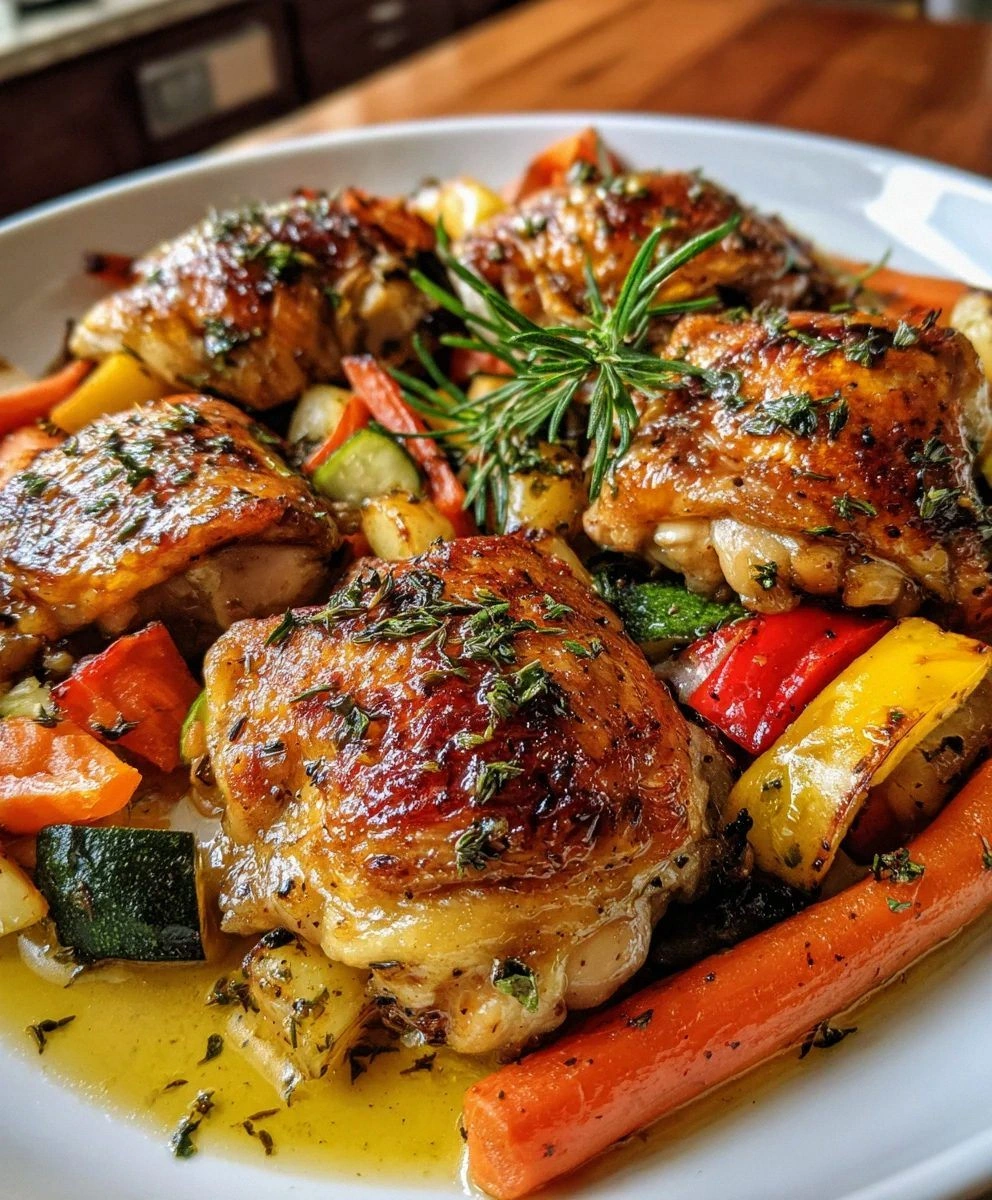
Picture this: skin so crisp it crackles like a campfire, meat so juicy it practically sighs when you cut it, and vegetables that roast into candy-sweet nuggets while the chicken fat renders down and mingles with maple syrup to create a glossy sauce you will want to lap straight off the pan. The thyme perfumes the air, the balsamic sneaks in a tangy back-note, and the whole thing comes together in one chaotic, glorious toss that somehow feels elegant. I dare you to taste this and not go back for thirds. I have witnessed grown adults fight over the last zucchini round, and I am only slightly ashamed to admit I once hid the final thigh behind the yogurt so I could claim it for breakfast.
Most sheet-pan recipes get everything wrong: they crowd the pan, they roast at timid temperatures, they treat maple syrup like a polite afterthought instead of the powerhouse it is. This version cranks the oven to a fearless 425 degrees, gives every ingredient breathing room, and lets the syrup reduce into sticky lacquer that clings to each ridge of skin. Stay with me here—this is worth it. By the time you pull the blistered pan from the oven, your neighbors will be hovering by the open window asking what smells like a childhood pancake breakfast collided with Sunday roast. You will feel like a culinary genius, and honestly, you will be one.
Let me walk you through every single step—by the end, you will wonder how you ever made it any other way.
What Makes This Version Stand Out
Maple Explosion: We are not drizzling, we are glazing. A full quarter-cup of syrup reduces into a shiny shellac that tastes like Sunday morning at the cabin but behaves like haute cuisine.
Two-Stage Roast: Chicken gets a head start so the skin renders properly, then vegetables join the party. No more flabby skin or mushy peppers. Everything finishes at the same golden moment.
Herb-Forward Punch: Dried thyme gets a brief toast in olive oil before it ever touches meat, waking up oils that most recipes leave sleeping. The difference is night and day—suddenly you taste forest and sunshine instead of dusty cupboard.
One-Pan Cleanup: The whole meal happens on a single rimmed sheet. You will spend more time eating than scrubbing, which is the ratio I am personally after.
Leftover Magic: Chop the cold chicken and toss it with the roasted veg over greens for lunch tomorrow. The glaze firms into tiny flavor crystals that make coworkers jealous in the break-room microwave.
Weeknight-Friendly: Fifteen minutes of hands-on time, thirty in the oven, zero fancy techniques. If you can wield a spoon and set a timer, you can nail this dish.
Crowd Reaction: I have served this to picky toddlers, carnivorous teenagers, and a skeptical mother-in-law who claims she “does not like sweet with meat.” Every plate came back licked clean. That sound you hear is me dropping the mic.
Alright, let us break down exactly what goes into this masterpiece...
Inside the Ingredient List
The Flavor Base
Chicken thighs, bone-in and skin-on, are the undisputed champions of weeknight roasting. The bone conducts heat gently so the meat stays plump, while the skin transforms into crackling parchment that shatters under your fork. Skip boneless skinless and you will get sad, cottony protein that tastes like gym socks. If you absolutely must substitute, use drumsticks but keep the skin—rendered chicken fat is liquid gold and you do not want to live without it.
Olive oil is not just a lubricant; it carries fat-soluble flavors from thyme and garlic straight into the meat. Go for a decent everyday bottle, nothing fancy, but do not reach for the neutral canola here. You want fruity, peppery notes that stand up to maple. A tablespoon goes into the marinade, another gets drizzled on the veg, and both puddles work overtime.
The Sweet-Tart Balance
Maple syrup is the diva of this show. Grade A amber gives you that postcard-pile-of-pancakes flavor, but Grade B darker syrup brings molasses undertones that flirt with the savory herbs. Either works; just promise you will not use the fake corn-syrup stuff that comes in a plastic squeeze bottle. Real maple contains minerals and acids that caramelize into complex bittersweet edges—corn syrup just burns and tastes like sad candy.
Balsamic vinegar rides shotgun, cutting through sweetness with a tangy raisin-like depth. A mere tablespoon does the trick; more and you will pickle the chicken, less and the glaze can cloy. If you are out, sherry vinegar subs nicely, but do not use plain white—it is too sharp and will make the maple taste flat.
The Texture Crew
Carrots bring earthy sugars that intensify into carrot-candy coins. Slice them a quarter-inch thick on the bias so they cook through without turning to mush. Bell peppers start crisp and end jammy, their skins blistering into smoky freckles. Any color works, but I like a mix for confetti appeal. Zucchini is the sponge of the vegetable world, soaking up chicken drippings and turning silky inside while its edges caramelize to deep mahogany.
The Unexpected Star
Dried thyme often sits neglected at the back of the spice rack, but here it gets rock-star treatment. Before it ever meets meat, it sizzles briefly in warm olive oil, rehydrating and releasing volatile oils that smell like hiking through pine needles. Skip this blooming step and your herb stays dusty; do it and you unlock woodsy, lemon-pepper complexity that makes people ask, “What is that amazing flavor?” Garlic powder follows the same bloom treatment, turning from raw bite to mellow, nutty sweetness.
The Final Flourish
Salt and pepper are not afterthoughts—they are structural engineers. Salt draws juices to the surface, kick-starting the Maillard browning that gives you bronze, crispy skin. Pepper adds gentle heat and floral notes that frame the sweet maple without stealing the spotlight. Season aggressively; half the amount you think you need will drift off into the oven atmosphere. I use kosher for its fluffy texture and finish with a crack of fresh black pepper right before serving for a bright pop.
Everything is prepped? Good. Let us get into the real action...
The Method — Step by Step
- Preheat your oven to 425°F (220°C) and place a rimmed sheet pan inside while it heats. A screaming-hot surface is the difference between limp, pallid chicken and skin that detaches with a satisfying snap the moment you bite. While the oven works, pat the chicken thighs bone-dry with paper towels. Any lingering moisture will steam the skin, sabotaging crispiness ambitions. Think of it as preparing a canvas for paint—moisture is the enemy of texture.
- In a small bowl, whisk together maple syrup, balsamic vinegar, one tablespoon olive oil, dried thyme, garlic powder, a hefty pinch of salt, and several grinds of pepper. Microwave the mixture for fifteen seconds; this tiny jolt wakes up the dried herbs and helps the salt dissolve so you do not get gritty pockets. The glaze should pour like warm honey and smell like a lumberjack breakfast. Give it a taste—yes, straight off the spoon—and adjust salt if needed. It should make your tongue tingle with anticipation.
- Carefully remove the scorching sheet pan from the oven and arrange thighs skin-side down. Listen to that immediate sizzle—that sound is the soundtrack of success. Sear for five minutes; this jump-starts rendering and builds a crust that locks in juices. Do not crowd; if the thighs touch they will steam instead of brown. Give them personal space like introverts at a networking event.
- Flip the chicken so it is skin-side up and brush generously with the maple mixture. The surface will bubble and start to lacquer within seconds. Return the pan to the oven for fifteen minutes. During this solo time, the fat beneath the skin melts, basting the meat from the inside out. You can prep your vegetables now, but do not wander too far—timing matters.
- Meanwhile, toss carrots, bell peppers, and zucchini with remaining olive oil, a pinch of salt, and a grind of pepper. The vegetables should glisten lightly; too much oil and they will fry soggy, too little and they will desiccate into leather. Aim for a thin, even coat that lets color shine through. I use my hands because they are the best tools God ever invented—silicone spatulas cannot feel.
- Slide the pan out, scatter vegetables around the chicken, and drizzle any remaining glaze over everything. Some will pool on the pan—perfect. Those juices will bubble into sticky, smoky candy that coats the veg in irresistible mottles. Resist stirring; let the heat kiss one side into blistered beauty. Return to the oven for twelve to fifteen minutes, until carrots pierce easily with a fork and zucchini edges char.
- Switch the oven to broil on high for two final minutes. Keep the door cracked and watch closely. The glaze will go from glossy to mahogany in seconds. You want tiny leopard spots, not charcoal briquettes. Rotate the pan halfway for even browning if your broiler has hot spots. This step is pure magic—do not skip it unless you enjoy lifeless, beige dinners.
- Transfer thighs to a cutting board and let them rest five minutes. During this pause, juices redistribute so when you slice, they stay in the meat instead of flooding the platter. Spoon vegetables onto plates, scraping up all the mahogany bits with a sturdy spatula. Drizzle any remaining pan sauce over the top. It should pool like liquid stained glass, shimmering and slightly thick. Serve with plenty of crusty bread to mop up every last dribble of maple-chicken nectar.
That is it—you did it. But hold on, I have got a few more tricks that will take this to another level...
Insider Tricks for Flawless Results
The Temperature Rule Nobody Follows
Buy an instant-read thermometer and use it like a culinary truth serum. Dark meat is done at 175°F; anything less and the collagen has not melted into succulent gelatin, anything more and you edge into stringy territory. Insert the probe near the bone, but not touching it, for the most accurate read. Ignore those old cookbooks that say 165°F—sure, it is safe, but it is not transcendent. Trust science, not grandmas who grew up boiling chicken until it surrendered.
Why Your Nose Knows Best
When the kitchen smells like maple-sweet campfire, dinner is thirty seconds from perfect. Aromatics travel faster than heat, so your olfactory system is the most accurate kitchen timer you own. If you catch a whiff of acrid bitterness, yank the pan immediately—sugar burns fast and there is no rescue from bitterness. Conversely, if all you smell is faint chicken, keep going; Maillard magic is still in progress.
The 5-Minute Rest That Changes Everything
Resting is not optional; it is the difference between a puddle on the board and juices that stay locked in every fiber. Tent loosely with foil, shiny side down, to reflect heat back without creating steam that would soften the skin. During this lull, finish your salad, pour wine, or just stare longingly at the bronzed meat like a love-struck teenager. Five minutes feels eternal when you are hungry, but your patience will be rewarded with the juiciest chicken of your life.
Skin-Crisping Insurance Policy
If you need absolutely shatter-level skin, slip the cooked thighs under the broiler skin-side up for thirty seconds right before serving. Watch like a hawk; the sugar in the glaze can go from bronze to black faster than you can say “smoke alarm.” This move is purely cosmetic, but dinner guests will think you attended culinary school in Lyon. Just do not tell them the real secret is maple syrup and a willingness to risk a small kitchen fire.
Creative Twists and Variations
This recipe is a playground. Here are some of my favorite ways to switch things up:
Spicy Maple Heatwave
Whisk a teaspoon of sriracha into the glaze and swap thyme for smoked paprika. The sweet-heat combo tastes like candied bacon wearing a leather jacket. Add a handful of fresh cilantro leaves right before serving for a bright herbal pop that cuts through richness. Teenagers will nominate you for parent of the year, or at least pause their video games to say thanks.
Autumn Harvest Edition
Replace zucchini with cubed butternut squash and add fresh sage leaves. Roast until the squash edges caramelize into candy-like nuggets and the sage crisps into earthy chips. A scattering of dried cranberries in the final minute adds jeweled tartness. Suddenly you have Thanksgiving on a Tuesday without the drama of relatives arguing about politics.
Mediterranean Escape
Sub in lemon juice for balsamic, use oregano instead of thyme, and finish with a snowfall of feta and a shower of chopped olives. The lemon brightens the maple, the feta adds creamy salt, and the olives bring briny depth. Serve over orzo tossed with more olive oil and fresh parsley. Close your eyes and you can almost hear the Aegean waves—budget travel at its tastiest.
Low-Carb Garden Party
Swap carrots and peppers for cauliflower florets and halved brussels sprouts. They roast into nutty, crispy morsels that absorb the glaze like flavor sponges. Add a last-minute sprinkle of toasted sliced almonds for crunch. You will not miss the sugary vegetables, and your keto-obsessed friends will crown you their carb-free hero.
Breakfast-for-Dinner Flip
Cube sweet potatoes, add breakfast sausage links to the pan, and glaze everything with the maple mixture. Crack four eggs into nests among the veg during the last six minutes of roasting. The yolks set just enough to ooze like liquid gold over the sweet-savory hash. Serve with hot sauce and a side of self-congratulations for reinventing brunch without a waffle iron.
Sticky Asian Fusion
Stir a teaspoon of soy sauce and a grate of fresh ginger into the glaze. Swap vegetables for bok choy wedges and shiitake caps. Finish with sesame seeds and scallion ribbons. The umami from soy deepens maple’s complexity, while ginger adds a spicy perfume that drifts through the house like a tempting secret.
Storing and Bringing It Back to Life
Fridge Storage
Cool leftovers completely before transferring to an airtight container; trapped heat creates condensation that turns skin soggy and vegetables limp. Arrange chicken on top so the heavier pieces do not crush the veg. Stored this way, dinner keeps up to four days, though in my house it rarely survives the first midnight raid. Label the container if you live with sneaky snackers; otherwise you will open the door to find nothing but a guilty roommate holding a fork.
Freezer Friendly
Freeze individual portions in zip-top bags with as much air pressed out as possible. Lay bags flat on a sheet pan until solid, then stack like edible books to save space. Frozen, the chicken stays stellar for two months—any longer and the glaze can crystallize, turning slightly grainy. Thaw overnight in the refrigerator, never on the counter; maple’s high sugar content invites bacterial parties faster than you can say “food safety.”
Best Reheating Method
Skip the microwave unless you enjoy rubber skin. Instead, place chicken skin-side up in a skillet with a splash of water, cover, and warm over medium-low heat. The water steams gently, reviving moisture without turning the skin gummy, then evaporates so the skin can recrisp. Add vegetables for the last two minutes and shake the pan to coat everything in revived sauce. You will swear it is freshly cooked, and your future self will thank present you profusely.