Picture this: it’s a rainy Saturday afternoon, the kind where you’re stuck inside, scrolling through endless recipe blogs, and suddenly a friend texts you a dare – “Make something that’ll make me forget all the bland desserts I’ve ever known.” I stared at my pantry, felt the weight of stale cake mixes, and thought, “Challenge accepted.” I grabbed a couple of oranges, the only fresh thing on the counter, and set out to create a pound cake that would make even the most seasoned pastry chef nod in reverent approval. The first attempt was a disaster – a dense, gummy mess that tasted like a butter‑filled shoe. But that failure sparked a relentless quest for the perfect balance of citrus brightness and buttery richness, and after countless trials, I finally nailed it.
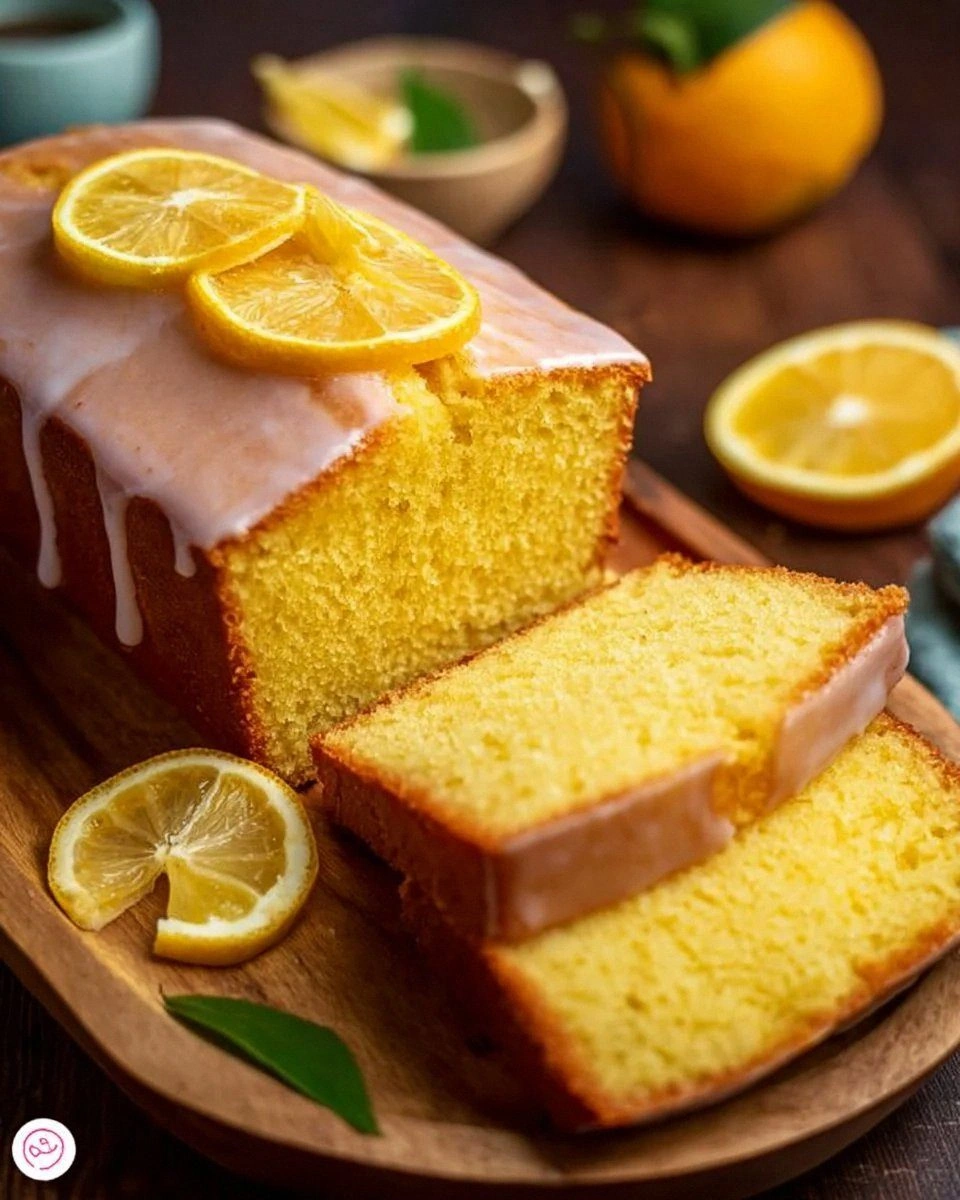
The moment the batter hit the bowl, the kitchen filled with the intoxicating aroma of orange zest mingling with sweet vanilla, a scent so vivid it seemed to paint the air with sunshine. I could hear the gentle whir of the mixer, feel the warm glow of the oven as it preheated, and watch the batter swirl like a sunrise in a glass. When the cake emerged, its golden crust cracked just enough to reveal a tender, moist interior that glistened with a subtle orange sheen. One bite and you’re hit with a burst of fresh orange that’s both tart and sweet, wrapped in a buttery hug that lingers on the palate like a memory you can’t shake.
Most pound cake recipes get the texture wrong – either they’re too dry, too heavy, or they miss that bright citrus punch that makes a cake unforgettable. This version stands out because it uses freshly squeezed orange juice, not just zest, allowing the liquid to infuse the crumb with authentic fruit flavor while keeping the cake moist. I also incorporated a tiny dash of baking powder to give the crumb a feather‑light lift without sacrificing that classic dense feel. The result? A cake that’s dense enough to hold up to a drizzle of glaze but soft enough to melt in your mouth. It’s hands down the best version you’ll ever make at home, and I’m willing to bet you’ll go back for seconds, no matter how many you’ve already devoured.
Let me walk you through every single step – by the end, you’ll wonder how you ever made it any other way. Okay, ready for the game‑changer? This next part? Pure magic.
What Makes This Version Stand Out
- Bright Citrus: Fresh orange juice floods the batter with natural acidity, cutting through the richness and delivering a flavor that sings.
- Butter Backbone: Two whole sticks of unsalted butter create a buttery foundation that’s creamy, aromatic, and utterly indulgent.
- Texture Triumph: The precise ratio of flour to butter and the addition of a pinch of baking powder give the crumb a tender, almost cake‑like softness while preserving that classic pound‑cake heft.
- Simplicity: Only eight ingredients, all pantry‑friendly, mean you won’t need a specialty store run – just a few oranges and a trusty mixer.
- Show‑Stopping Appearance: The golden crust cracks just enough to reveal a moist, orange‑kissed interior, making it Instagram‑ready without any glaze.
- Crowd‑Pleaser: Whether it’s a brunch, a tea party, or a dinner dessert, this cake earns applause from kids and adults alike.
- Make‑Ahead Magic: It stores beautifully, and the flavors actually deepen after a night in the fridge, so you can bake it ahead of time.
- Versatile Base: The neutral yet flavorful base invites endless twists – from a dusting of powdered sugar to a drizzle of orange‑infused honey.
Inside the Ingredient List
The Flavor Base
1 cup unsalted butter, softened (2 sticks): Butter is the heart of any pound cake, providing richness, flavor, and structure. Using unsalted butter lets you control the salt level precisely, ensuring the orange shines. If you skip butter or replace it with oil, you’ll lose the cake’s signature crumb and that melt‑in‑your‑mouth mouthfeel. For the best result, let the butter sit at room temperature for about 30 minutes; this makes creaming with sugar effortless and airy.
2 cups granulated sugar: Sugar not only sweetens but also helps create the tender crumb by breaking down the gluten in the flour. It also contributes to the caramelized crust that gives the cake its golden edge. If you’re watching sugar, you can shave it down to 1½ cups, but expect a slightly less caramelized top.
The Texture Crew
4 large eggs: Eggs act as a binder and leavening agent, trapping air when beaten with butter and sugar. They also add moisture, which is crucial when you’re introducing a whole cup of orange juice. Missing an egg will make the cake dry and crumbly; adding an extra yolk can make it richer but also denser.
3 cups all‑purpose flour (sifted): The flour provides the structure; sifting ensures there are no lumps and incorporates air, which lightens the batter. Using cake flour would make the cake too soft, while bread flour would make it tough. If you’re gluten‑sensitive, a 1‑to‑1 swap with a gluten‑free blend works, but the texture will be slightly different.
The Unexpected Star
1 cup freshly squeezed orange juice (about 3‑4 oranges): Fresh juice is the secret weapon – it infuses the batter with natural citrus oils and acidity, which tenderizes the crumb and balances the butter’s richness. Bottled juice often contains added sugars and preservatives that mute the flavor. If oranges are out of season, try a mix of orange and a splash of lemon juice for a similar bright profile.
1 teaspoon vanilla extract: Vanilla adds depth, smoothing the sharp citrus edge and rounding out the overall flavor. A high‑quality pure vanilla extract makes a noticeable difference; imitation can taste flat.
The Final Flourish
1 teaspoon baking powder: A modest lift – just enough to keep the crumb airy without compromising the classic pound‑cake density. Too much would make it cake‑like; too little and you risk a heavy, dense loaf.
0.5 teaspoon salt: Salt amplifies all the flavors, especially the orange, and balances the sweetness. Skipping it will leave the cake tasting flat and overly sweet.
Everything’s prepped? Good. Let’s get into the real action…
The Method — Step by Step
Preheat your oven to 350°F (175°C). While the oven warms, grease a 9‑inch loaf pan with a thin layer of butter and line the bottom with parchment paper. This ensures the cake releases cleanly and the edges get that beautiful caramelized edge. The heat should be steady – a fluctuating oven will cause the cake to rise unevenly and crack.
In a large mixing bowl, cream together the softened butter and granulated sugar on medium speed until the mixture is pale, fluffy, and has doubled in volume. This should take about 3‑4 minutes; you’ll notice the batter turning a light golden color and the texture becoming silky. That sizzle when it hits the pan? Absolute perfection. If the mixture looks grainy, keep mixing – the sugar will dissolve into the butter.
One at a time, add the eggs, beating well after each addition. The batter should become glossy and thick.
If the mixture looks curdled, keep beating – the emulsification will bring it back together.Kitchen Hack: Crack the eggs into a separate bowl first; this prevents any stray shells from ruining the smooth batter.Stir in the vanilla extract and freshly squeezed orange juice, mixing just until combined. You’ll hear a faint fizz as the acidity meets the butter, and the batter will loosen slightly, creating a beautiful marbled orange hue. This is the moment the cake starts to smell like a sunny patio.
In a separate bowl, whisk together the sifted flour, baking powder, and salt. This ensures the leavening is evenly distributed and prevents any pockets of flour.
Watch Out: Over‑mixing at this stage will develop gluten, leading to a tough crumb. Fold gently until you see no streaks of flour.Gradually add the dry ingredients to the wet mixture, folding with a spatula in three additions. Start with one‑third of the flour, gently incorporate, then repeat. The batter will look thick but glossy.
Kitchen Hack: Scrape the sides of the bowl each time you add flour to ensure an even mix without over‑working the batter.Pour the batter into the prepared loaf pan, smoothing the top with a spatula. Tap the pan lightly on the counter to release any trapped air bubbles. You’ll see the batter settle into a smooth, slightly domed surface – that’s the sign of a cake that will rise evenly.
Slide the pan into the preheated oven and bake for 30‑35 minutes, or until a toothpick inserted into the center comes out clean and the top is a deep golden brown. Around the 20‑minute mark, rotate the pan 180° to ensure even browning. The edges will start pulling away from the sides of the pan, a visual cue that the cake is done.
Allow the cake to rest in the pan for 10 minutes before turning it out onto a wire rack. This brief steam period keeps the crumb moist while the crust firms up. Once on the rack, let it cool completely – the flavors meld as it cools, and the orange aroma intensifies.
That’s it — you did it. But hold on, I’ve got a few more tricks that’ll take this to another level…
Insider Tricks for Flawless Results
The Temperature Rule Nobody Follows
Always bring your butter to room temperature, but never melt it. Softened butter creams with sugar, trapping air that expands during baking, giving you that light crumb. If you accidentally melt the butter, chill the batter for 15 minutes before baking; this resets the structure.
Why Your Nose Knows Best
Trust the scent cues. When the batter smells like a fresh orange sunrise, you’re on the right track. If you detect a raw egg or butter smell after mixing, keep beating a little longer. Your nose can tell you when the sugar has fully dissolved, which is crucial for a smooth crumb.
The 5‑Minute Rest That Changes Everything
After folding in the flour, let the batter sit for five minutes before pouring it into the pan. This short rest allows the gluten to relax, preventing a rubbery texture. I once skipped this step and ended up with a cake that felt more like a dense bread – not the airy delight I was aiming for.
Pan Choice Matters
A heavy‑bottomed loaf pan distributes heat evenly, preventing the dreaded “burnt bottom” syndrome. If you only have a glass pan, reduce the oven temperature by 25°F and add an extra 5‑10 minutes to the bake time. The cake will rise beautifully without the bottom turning to charcoal.
Finish with a Citrus Glaze (Optional)
If you want an extra glossy finish, whisk together ½ cup powdered sugar with 2‑3 teaspoons of fresh orange juice and drizzle over the cooled cake. The glaze sets quickly, adding a sweet‑tart sheen that makes the cake look bakery‑ready.
Creative Twists and Variations
This recipe is a playground. Here are some of my favorite ways to switch things up:
Orange‑Almond Crunch
Fold in ½ cup toasted almond slivers after the final flour addition. The nuts add a satisfying crunch that contrasts the soft crumb, and the almond flavor amplifies the orange’s nutty undertones.
Spiced Orange
Stir in ½ teaspoon ground cinnamon and a pinch of ground cardamom with the dry ingredients. The warm spices turn the cake into a cozy autumn treat, perfect for holiday brunches.
Chocolate Swirl
Melt ¼ cup dark chocolate and drizzle it into the batter before baking, then use a skewer to create a marble effect. The bittersweet chocolate pairs beautifully with the citrus, creating a sophisticated flavor duo.
Gluten‑Free Version
Replace the all‑purpose flour with a 1‑to‑1 gluten‑free blend that includes rice flour and potato starch. Add a tablespoon of xanthan gum to mimic the elasticity of gluten. The texture will be slightly more crumbly but still delicious.
Mini Loaf Pops
Divide the batter among a muffin tin lined with paper cups and bake for 20‑22 minutes. These bite‑size versions are perfect for picnics or a quick snack, and they retain the same moist interior.
Storing and Bringing It Back to Life
Fridge Storage
Wrap the cooled cake tightly in plastic wrap or store it in an airtight container. It will stay fresh for up to five days, and the flavors actually deepen after a night. For an extra burst of aroma before serving, let it sit uncovered for 30 minutes to let the orange scent waft through the kitchen.
Freezer Friendly
Slice the cake into 1‑inch thick pieces, wrap each slice in parchment paper, then place them in a freezer‑safe zip‑top bag. Freeze for up to three months. When you’re ready to enjoy, let a slice thaw at room temperature for 20 minutes, then give it a quick warm‑up in a 300°F oven for 5‑7 minutes.
Best Reheating Method
Before reheating, sprinkle a tiny splash (about a teaspoon) of fresh orange juice over the slice and cover it loosely with foil. The steam revives the moisture, and the fresh juice adds a bright pop that makes the cake taste like it’s straight out of the oven.