Picture this: it’s a rainy Tuesday, you’re stuck at home, and the only thing that can cut through the gloom is the promise of something that crackles, sizzles, and melts all at once. I was rummaging through the fridge, half‑heartedly reaching for a slice of cheese, when a rogue dill pickle rolled out onto the counter, daring me to do something reckless. I stared at the lonely bacon, the buttered bread, and the two cheeses that had been waiting patiently for their moment. I thought, “What if I combine all of these bad‑boys into one glorious sandwich?” The result? A flavor bomb that makes your taste buds throw a party and your stomach do a happy dance.
The kitchen was a symphony of sounds: the hiss of the skillet as the bacon hit the hot surface, the pop of butter melting into a golden pool, and the faint, almost mischievous whisper of dill pickle brine evaporating. The air filled with a smoky, salty perfume that made my neighbor’s dog whine in envy. My hands felt the buttery softness of the bread, the crisp snap of bacon, and the creamy resistance of Swiss and cheddar as they melted together. When I finally lifted the sandwich, the cheese stretched like a warm, cheesy sunrise, and the dill pickle added that bright, tangy zing that cut through the richness like a witty one‑liner.
Most recipes for bacon‑cheese sandwiches either drown the delicate dill pickle in a sea of grease or treat the cheese as an afterthought. Not this one. I’ve spent weeks tweaking the order of assembly, the thickness of the butter, and the exact heat level to get that perfect balance where every bite feels like a carefully choreographed dance. The secret? A buttery crust that locks in moisture, a double‑cheese combo that gives depth, and a pickle slice that sits proudly in the middle, refusing to be ignored. This version stands out because it respects each ingredient’s personality while demanding they all play together in harmony.
And here’s the kicker: I’m about to reveal a technique that most home cooks completely overlook—flipping the sandwich halfway through cooking to achieve an evenly caramelized crust on both sides. It’s the difference between “meh” and “mind‑blowing.” I dare you to taste this and not go back for seconds. Let me walk you through every single step — by the end, you’ll wonder how you ever made it any other way.
What Makes This Version Stand Out
- Flavor Explosion: The salty crunch of bacon meets the tang of dill pickle, while Swiss and cheddar create a creamy, nutty bridge that ties everything together.
- Texture Symphony: A buttery, golden crust gives way to a tender interior, with crisp bacon and a satisfying snap from the pickles.
- Simplicity Redefined: Only six ingredients, yet each one shines because the technique maximizes their potential.
- Unique Assembly: Layering the cheeses before the pickles ensures the pickle stays juicy and the cheese melts uniformly.
- Crowd‑Pleaser: This sandwich has been known to clear plates at brunches and win over even the most skeptical pickles‑hating friends.
- Ingredient Quality: Using thick‑cut bacon and good‑quality Swiss makes the difference between “good” and “hands down the best version you’ll ever make at home.”
- Cooking Method: The skillet‑flip technique creates a caramelized exterior without sacrificing interior melt.
- Make‑Ahead Magic: Assemble the components ahead of time; the sandwich stays fresh and cooks perfectly when you’re ready.
Inside the Ingredient List
The Flavor Base
Bacon: The star of the show! Crispy bacon adds a smoky flavor and delightful crunch. If you skip it, you lose the essential umami backbone that makes the sandwich sing. For a lighter twist, turkey bacon works, but the flavor depth drops dramatically. When shopping, look for thick‑cut strips with a good meat‑to‑fat ratio; they render beautifully and stay juicy.
Dill Pickles: These tangy slices add a zesty kick that balances the richness of the bacon and cheese. The brine’s acidity cuts through the fat, preventing the sandwich from feeling heavy. If you love a sweeter note, try bread‑and‑butter pickles, but remember they’ll shift the flavor profile toward sweet‑savory.
The Texture Crew
Unsalted Butter: This is key for that golden, crispy exterior. Butter’s milk solids brown beautifully, creating that irresistible crust. If you swap it for mayonnaise, you’ll get a different texture—creamy but less crisp. Choose a high‑fat European butter for the richest flavor.
Bread: Choose your favorite variety! Whether it’s classic white, whole grain, or sourdough, the bread should be thick enough to hold all that cheesy goodness. A sturdy slice prevents sogginess, while a softer loaf yields a more tender bite. For the ultimate crunch, lightly toast the bread before buttering.
The Cheese Duo
Swiss Cheese: Its nutty flavor melts beautifully, creating a luscious gooeyness. Swiss also has a higher melt point, which helps keep the sandwich from becoming a cheese‑only mess. If you miss the classic Swiss taste, try Gruyère for a deeper, earthier note.
Cheddar Cheese: Sharp or mild, cheddar brings an irresistible creaminess. The sharpness adds a bite that complements the bacon, while the meltiness ensures a silky interior. Pepper jack can be swapped in for a spicy kick, but the classic combo is unbeatable.
Everything's prepped? Good. Let's get into the real action...
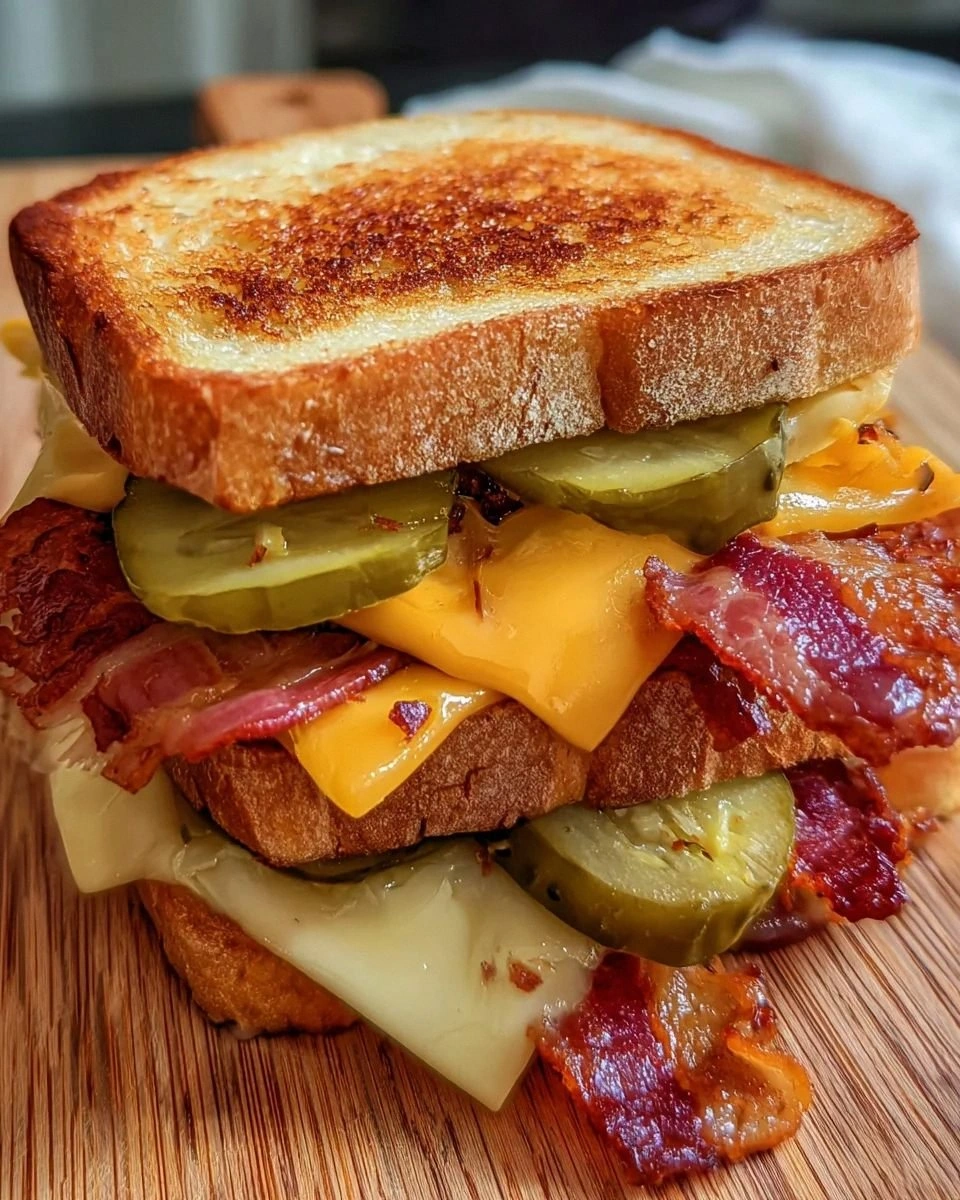
The Method — Step by Step
Start by heating a large skillet over medium‑high heat. While it warms up, lay out the bacon strips on a paper towel and pat them dry—this removes excess moisture and ensures a crispier finish. Once the pan is hot, add the bacon in a single layer; you should hear an immediate sizzle that tells you the temperature is just right. Cook for 3‑4 minutes per side, or until the edges curl and the fat renders, then transfer to a clean plate lined with more paper towels. That sizzle when it hits the pan? Absolute perfection.
While the bacon rests, take your bread slices and spread a generous layer of softened unsalted butter on one side of each slice.
The butter should glisten but not pool. This thin film will later turn into a caramelized crust that locks in moisture.Kitchen Hack: Use a silicone pastry brush to apply butter in thin, even strokes; this prevents clumps that could burn.Now, assemble the cheese layers on the un‑buttered side of each bread slice. Place one slice of Swiss followed by one slice of cheddar, letting the cheeses overlap slightly. The double‑cheese strategy creates a buttery, nutty foundation that will melt uniformly once heated. If you’re feeling adventurous, sprinkle a pinch of black pepper for a subtle heat.
Next, add the dill pickle slices on top of the cheese. Arrange them so they’re evenly distributed—this ensures every bite gets that bright, vinegary snap. The pickle’s moisture will steam the cheese just enough to keep it from drying out, while still preserving its crunch.
Lay two strips of cooked bacon over the pickles, tucking the ends under the cheese if needed. The bacon’s smoky fat will mingle with the buttered crust, creating a flavor bridge that’s nothing short of magical. Press the sandwich lightly with your hand to compact the layers without squashing the bread.
Place the assembled sandwich, buttered side down, back into the hot skillet. Reduce the heat to medium‑low and let it cook for about 2‑3 minutes. You’ll notice the edges of the bread turning a deep golden brown, and the cheese beginning to ooze.
Watch Out: If the heat is too high, the butter will burn before the cheese melts, resulting in a bitter taste.Here’s the game‑changer: carefully flip the sandwich using a wide spatula. Press gently and cook the other side for another 2‑3 minutes. This flip ensures both sides achieve that perfect caramelized crunch while the interior reaches a velvety melt. If you’re nervous about flipping, use a second pan to finish the other side.
Once both sides are beautifully browned and the cheese is fully melted, remove the sandwich from the skillet and let it rest on a cutting board for about a minute. This brief rest allows the juices to redistribute, preventing a soggy bite. Slice diagonally for that classic sandwich aesthetic, and watch the cheese stretch like a warm sunrise.
Finally, serve immediately while the crust is still crisp and the interior is molten. Pair with a cold glass of milk or a light lager, and watch your guests’ eyes widen. This next part? Pure magic. The combination of buttery crunch, smoky bacon, tangy pickle, and melty cheese is a symphony you’ll want to replay on repeat.
That’s it — you did it. But hold on, I've got a few more tricks that'll take this to another level…
Insider Tricks for Flawless Results
The Temperature Rule Nobody Follows
Most home cooks crank the heat to “high” hoping for a fast crust, but that’s a recipe for burnt butter and under‑melted cheese. Keep the skillet at medium‑low after the initial sear; this gives the butter time to brown without scorching and allows the cheese to melt slowly, creating that luxurious stretch. I once tried cooking on high, and the result was a bitter, blackened mess that could’ve been used as a charcoal briquette.
Why Your Nose Knows Best
Don’t rely solely on timers—trust the aroma. When the butter starts to turn a nutty amber and the bacon’s scent deepens, you’re at the sweet spot. If you smell a faint burnt odor, pull the sandwich immediately; it’s easier to rescue a slightly under‑cooked sandwich than a charred one. My nose has saved many a batch from disaster.
The 5‑Minute Rest That Changes Everything
After cooking, let the sandwich sit for exactly five minutes before slicing. This short pause lets the melted cheese set just enough to avoid a gooey mess, while the pickle juices re‑absorb into the bread. Skipping this step leads to a soggy interior, and nobody wants that.
Butter‑Infused Crust Secrets
For an extra‑crunchy exterior, melt a tablespoon of butter with a pinch of garlic powder and brush it on the bread just before the final flip. The garlic adds a subtle background note that elevates the whole sandwich without overpowering the dill pickle’s zing. A friend tried skipping this and complained the crust was “meh.”
Press, Don’t Smash
When you press the sandwich in the pan, use a light hand—just enough to make contact. Too much pressure squeezes out the cheese and pickle juices, resulting in a dry bite. Think of it as a gentle handshake, not a full‑on bear hug.
Creative Twists and Variations
This recipe is a playground. Here are some of my favorite ways to switch things up:
Spicy Jalapeño Kick
Swap half of the cheddar for pepper jack and add thinly sliced jalapeños between the cheese layers. The heat pairs beautifully with the cool crunch of the dill pickle, creating a balanced fire‑and‑ice experience.
Smoky BBQ Bacon
Brush the bacon with a light coat of BBQ sauce before cooking. The caramelized BBQ glaze adds a sweet‑smoky dimension that makes the sandwich taste like a backyard grill in a pan.
Veggie‑Friendly Version
Replace the bacon with crispy tempeh strips marinated in soy sauce and smoked paprika. Use a plant‑based butter and vegan Swiss and cheddar alternatives for a fully vegan delight that still delivers that satisfying crunch.
Herb‑Infused Bread
Mix fresh rosemary or thyme into the butter before spreading it on the bread. The herb‑infused crust adds an aromatic layer that complements the dill pickle’s freshness.
Breakfast Upgrade
Add a fried egg on top of the bacon before the final flip. The runny yolk becomes a luxurious sauce that mingles with the cheese, turning this sandwich into a brunch masterpiece.
Grilled Cheese Fusion
Swap the skillet for a panini press. The press gives you those iconic grill marks and an even crunch, while the interior stays melty and gooey.
Storing and Bringing It Back to Life
Fridge Storage
Wrap each sandwich tightly in parchment paper, then place them in an airtight container. They’ll stay fresh for up to 24 hours. When ready to eat, reheat in a skillet over medium heat for 3‑4 minutes per side, adding a tiny splash of water to the pan and covering with a lid to create steam that revives the melt.
Freezer Friendly
Separate the components—keep the buttered bread, cooked bacon, and cheese slices in zip‑top bags. Freeze the assembled sandwich without the pickle, as the brine can become soggy. To reheat, thaw overnight in the fridge, then follow the skillet method, adding the pickle slices fresh at the end.
Best Reheating Method
The secret to a perfect reheated sandwich is a two‑step approach: first, warm it gently in a microwave for 30 seconds to melt the cheese, then finish in a hot skillet for 2 minutes per side to restore that crispy crust. Adding a splash of water before the skillet step creates a mini‑steam environment that brings the cheese back to its original stretchiness.