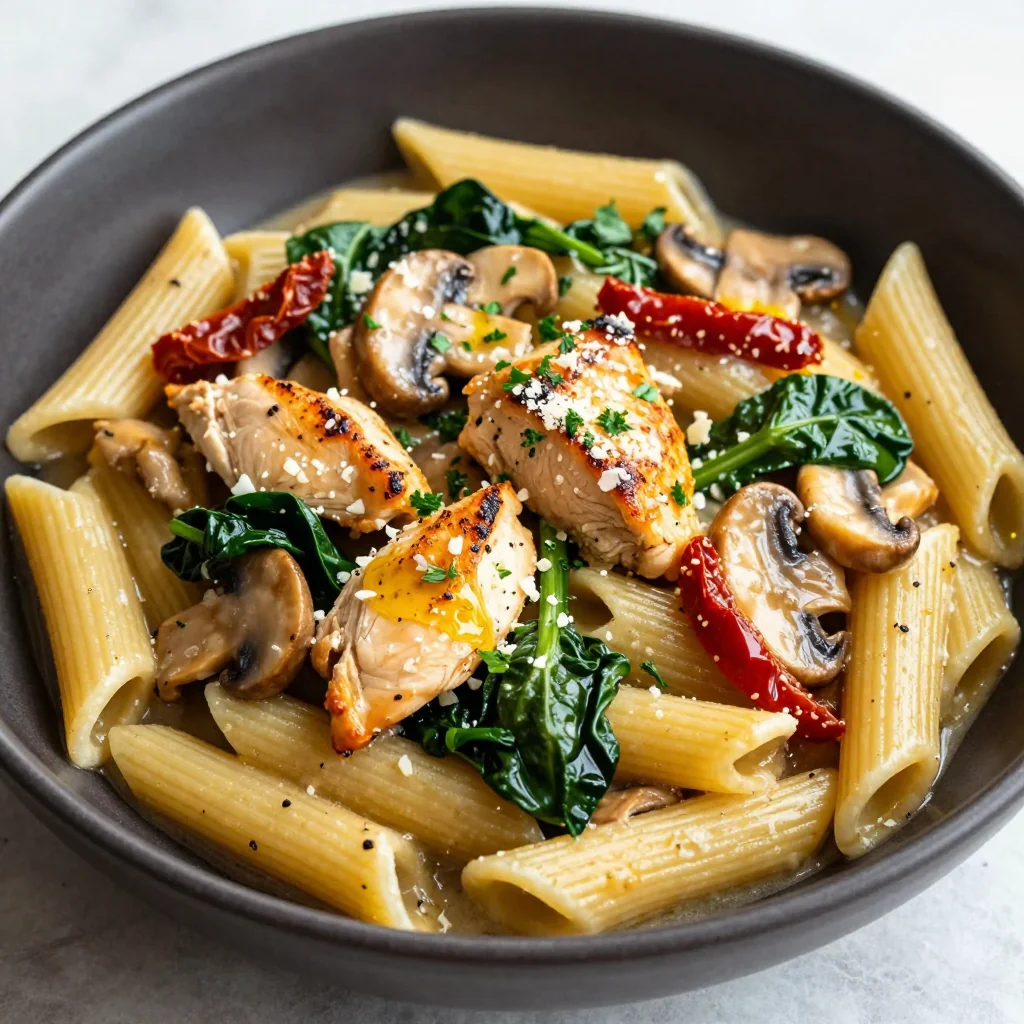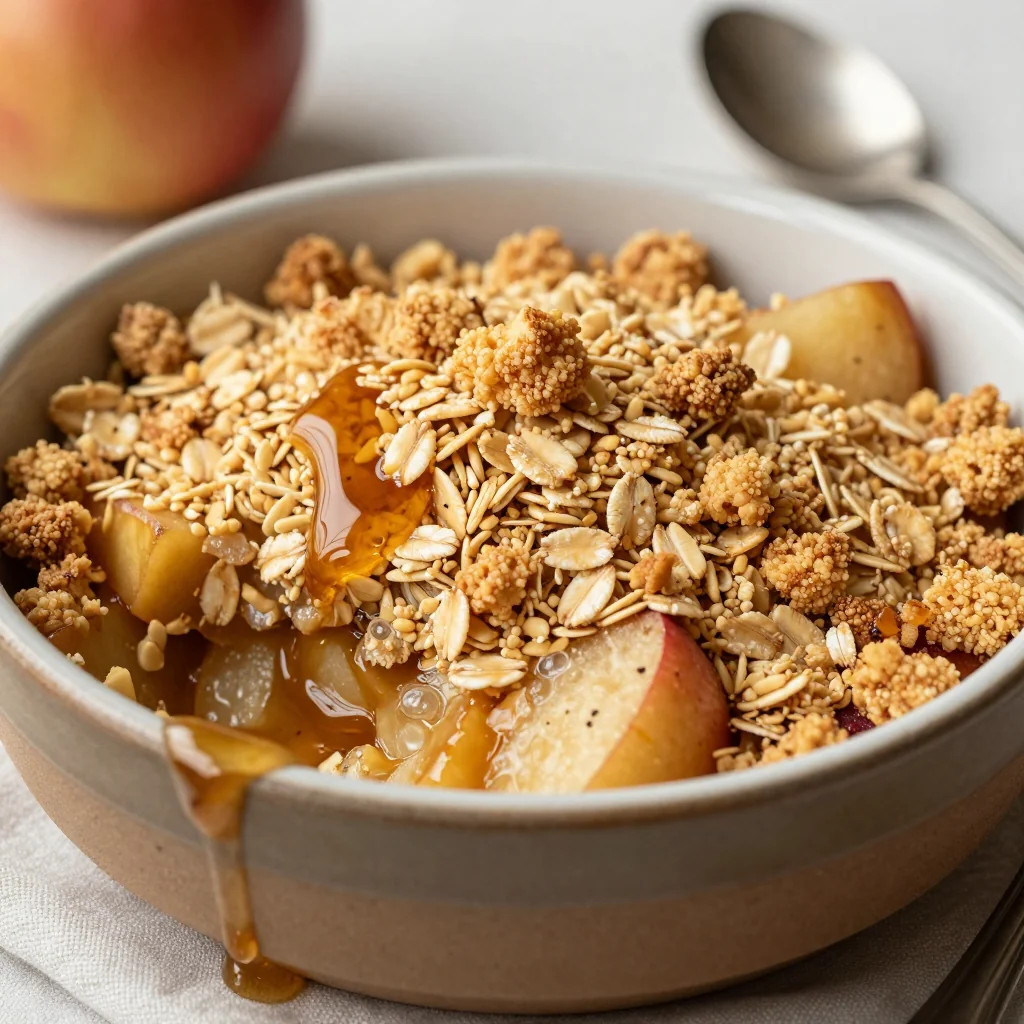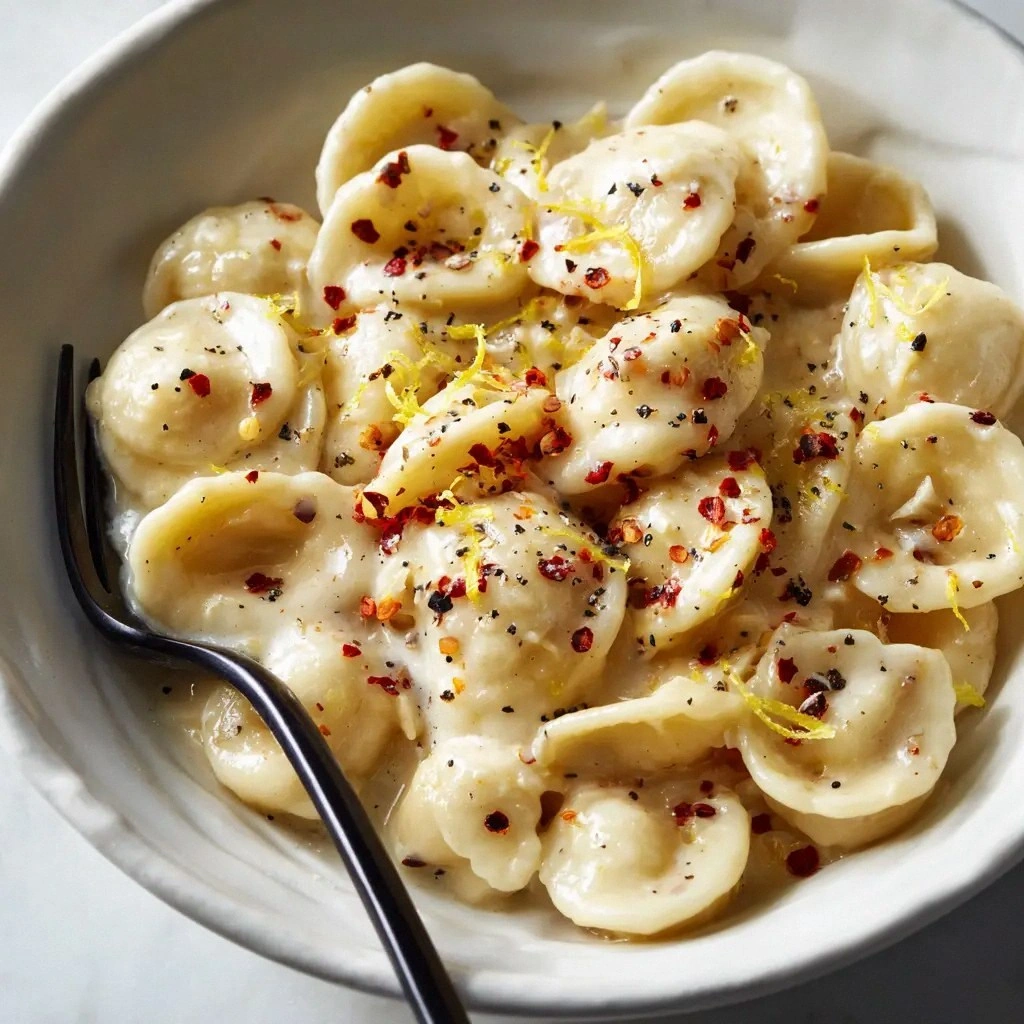
Picture this: you’re standing in a cramped kitchen, the oven already blazing from a last minute pizza, and you’re craving something that feels like a hug in a bowl. I tried to make a quick garlic sauce, but the result was a dry, clumpy mess that had me questioning every cooking decision I’d ever made. Then, a friend dared me to turn that disaster into a creamy, citrusy masterpiece that would make even the most skeptical foodie swoon. I pulled out a head of garlic, a lemon, and a splash of heavy cream, and the kitchen smelled like sunshine and toasted garlic. The moment the garlic turned golden and fragrant, I knew I’d stumbled on something epic. I’ll be honest — I ate half the batch before anyone else got to try it, and the second bite was pure bliss. That’s why I’m here, ready to walk you through every single step, because by the end, you’ll wonder how you ever made it any other way.
What Makes This Version Stand Out
- Flavor: The slow roasting of the garlic transforms its sharpness into a sweet, caramelized depth that coats the pasta like velvet.
- Texture: Cream and parmesan meld into a silky sauce that clings to every strand, yet never feels heavy or greasy.
- Ingredient Quality: Fresh, high‑fat butter and a splash of lemon juice brighten the richness without overpowering.
- Ease: No special equipment required – just a baking sheet, a saucepan, and a pot of boiling water.
- Versatility: Works with any pasta shape, and you can swap in chicken or shrimp for a protein boost.
- Make‑ahead Friendly: The sauce keeps well in the fridge for 3 days, and it can be reheated gently without losing its silkiness.
- Crowd‑pleaser: Even the most picky palates love the buttery, garlicky kick followed by a bright citrus finish.
- Time‑efficient: Prep takes 15 minutes, cook 20 minutes – perfect for a busy weeknight.
Inside the Ingredient List
The Flavor Base
At the heart of this sauce is the garlic, but not just any garlic. Two heads, whole and unpeeled, bring a natural sweetness that develops only when baked. The olive oil and butter work together to create a fat matrix that carries the aroma, while the chicken or vegetable broth provides a subtle depth that balances the richness. If you skip the broth, the sauce will feel flat and overly creamy; it’s the perfect bridge between the garlic and the cheese.
The Texture Crew
Heavy cream is the star that gives the sauce its luxurious mouthfeel. When combined with the parmesan, the mixture emulsifies into a smooth coat that lingers on pasta strands. The parmesan is grated fresh to ensure it melts evenly; a pre‑grated block can clump and ruin the silky finish. If you’re watching calories, you can reduce the cream by a quarter cup, but be prepared for a slightly thinner sauce.
The Unexpected Star
Lemon isn’t just a garnish; its zest and juice cut through the richness, adding a bright, almost citrusy lift that keeps the dish from feeling indulgent. The lemon’s acidity also helps emulsify the sauce, ensuring the butter and cream blend seamlessly. If you’re allergic to citrus, a splash of white wine or a squeeze of lime can substitute, though the flavor profile will shift subtly.
The Final Flourish
Fresh parsley adds a pop of color and a fresh herbal note that balances the deep, buttery flavors. It’s added at the very end to preserve its bright green hue and to give the dish a fresh finish. Salt and black pepper are essential for bringing all components together, but they’re added to taste – you’ll want to taste as you go and adjust accordingly.
Everything’s prepped? Good. Let’s get into the real action.
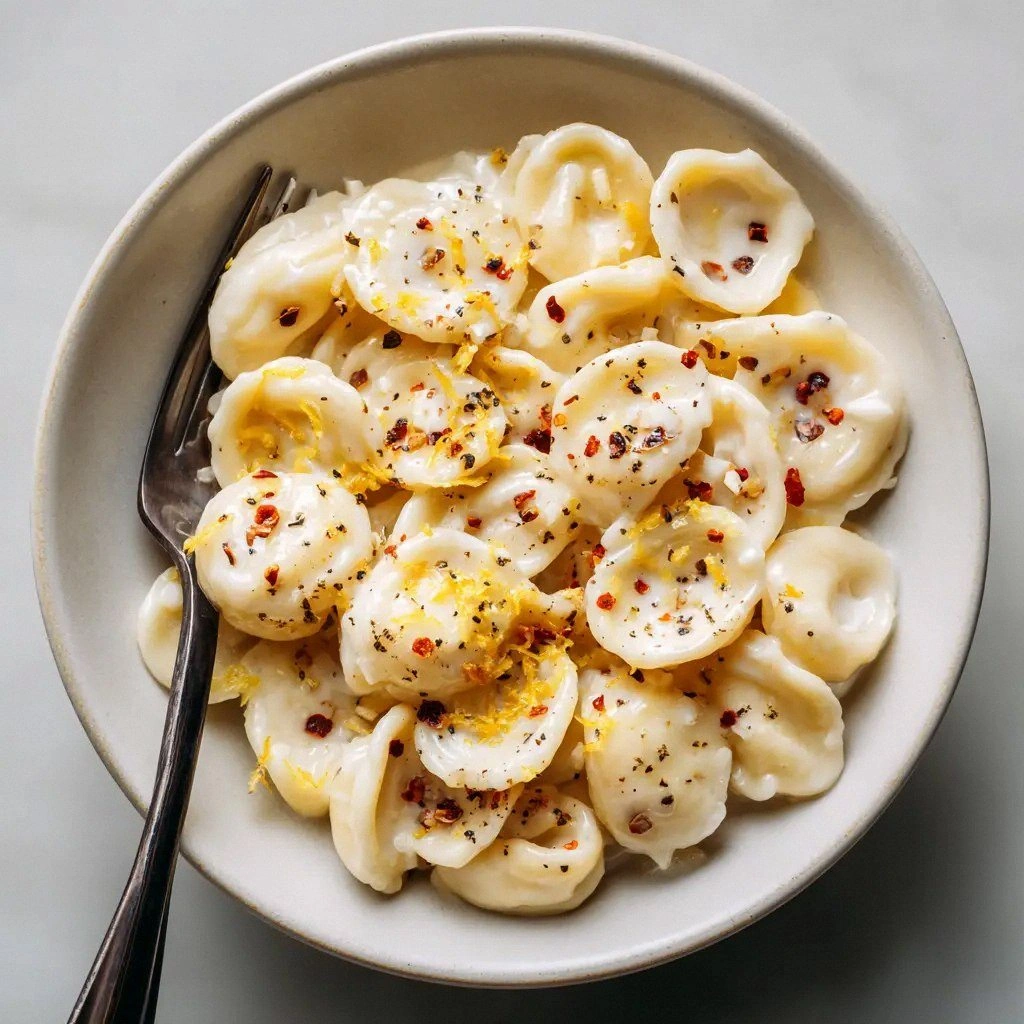
The Method — Step by Step
- Preheat your oven to 400°F (200°C). Slice the tops off the garlic heads, drizzle with a teaspoon of olive oil, wrap them in foil, and roast for 35 minutes until the cloves are soft and caramelized. The moment they’re done, let them cool just enough to handle.
- While the garlic roasts, fill a large pot with water, add a generous pinch of salt, and bring to a rolling boil. Toss in 1 lb of your chosen pasta and cook until al dente, about 8–10 minutes. Drain, reserving a cup of pasta water for later.
- In a large saucepan, melt 2 tbsp of unsalted butter and 2 tbsp of olive oil over medium heat. Add the roasted garlic cloves, squeeze out the softened garlic into the pan, and sauté for 2 minutes until fragrant. This step is crucial – it builds a buttery base that carries the garlic flavor throughout the sauce.
- Pour in 1/2 cup of chicken or vegetable broth, bringing the mixture to a gentle simmer. Reduce the heat to low and let it thicken slightly, about 3 minutes, which concentrates the flavors and creates a richer base.
- Stir in 1 cup of heavy cream, letting it swirl into the broth. As the cream heats, it should thicken to a silky consistency. If it starts to look too thick, add a splash of reserved pasta water to loosen it.
- Fold in 3/4 cup of freshly grated parmesan cheese, stirring constantly until the cheese melts completely and the sauce becomes glossy. Season with salt and black pepper to taste, then zest one lemon and squeeze in the juice. The citrus brightens the sauce, cutting through the richness.
- Toss the cooked pasta into the sauce, ensuring each strand is coated. Let the pasta sit in the sauce for 1–2 minutes so the noodles absorb the flavors, then sprinkle with 2 tbsp of fresh parsley and serve immediately.
That’s it — you did it. But hold on, I’ve got a few more tricks that will elevate this dish from good to unforgettable.
Insider Tricks for Flawless Results
The Temperature Rule Nobody Follows
Maintaining a low simmer after adding the broth and cream is the secret to a stable sauce. High heat can cause the butter to separate and the cream to curdle, resulting in a grainy texture. I keep the heat on low, letting the sauce gently bubble. If it starts to thicken too quickly, add a splash of pasta water to keep it silky.
Why Your Nose Knows Best
Smell is your most reliable guide. When the garlic is roasting, the aroma should be sweet and nutty, not burnt. During simmering, the sauce should emit a rich, buttery scent that signals the flavors are melding. If it smells sour or overly sharp, reduce the lemon juice or let the sauce cook longer.
The 5‑Minute Rest That Changes Everything
After tossing the pasta in the sauce, let it rest for a full five minutes. This allows the noodles to soak up the sauce fully, and the heat distributes evenly. The result is a pasta that’s silky, not greasy, and every bite is perfectly coated.
The Secret of Freshness
Add parsley at the very end to preserve its bright green color and fresh herbal note. If you’re in a hurry, you can pre‑chop the parsley and keep it in the fridge; it’ll still deliver a fresh punch.
The One‑Minute Finish
Just before serving, give the sauce a quick stir to re‑emulsify. This final whisk ensures no separation has occurred and the sauce remains glossy. A quick splash of lemon zest can also brighten the dish right before plating.
Creative Twists and Variations
This recipe is a playground. Here are some of my favorite ways to switch things up:
Sautéed Shrimp Surprise
Add 8 oz of peeled shrimp to the sauce after the cheese melts. Cook until pink, then serve over pasta for a protein‑rich twist that’s perfect for date night.
Mushroom Medley
Sauté sliced cremini or shiitake mushrooms in the butter before adding the garlic. The earthy depth pairs beautifully with the creamy sauce.
Pesto‑Infused Creaminess
Stir in 2 tbsp of basil pesto after the lemon juice. The herbaceous note adds complexity and a vibrant green hue.
Spicy Kick
Add a pinch of red pepper flakes when you add the broth. The heat contrasts the creamy base and wakes up the palate.
Vegan Version
Replace butter with coconut oil, use oat or soy cream, and swap parmesan for nutritional yeast. The result is a dairy‑free sauce that still delivers richness.
Storing and Bringing It Back to Life
Fridge Storage
Cool the sauce completely, then transfer it to an airtight container. Store in the refrigerator for up to 3 days. Before serving, reheat gently over low heat, stirring constantly. If the sauce thickens, add a splash of water or broth to restore its silky texture.
Freezer Friendly
The sauce freezes well in portions. Place it in freezer‑safe containers or zip‑top bags, leaving a few milliliters of headspace. Thaw overnight in the fridge, then reheat slowly over low heat, whisking to prevent separation.
Best Reheating Method
The secret to reheating is low heat and a splash of liquid. Add a tablespoon of water or broth and stir until the sauce reaches the desired consistency. Avoid boiling, which can cause the cream to curdle.