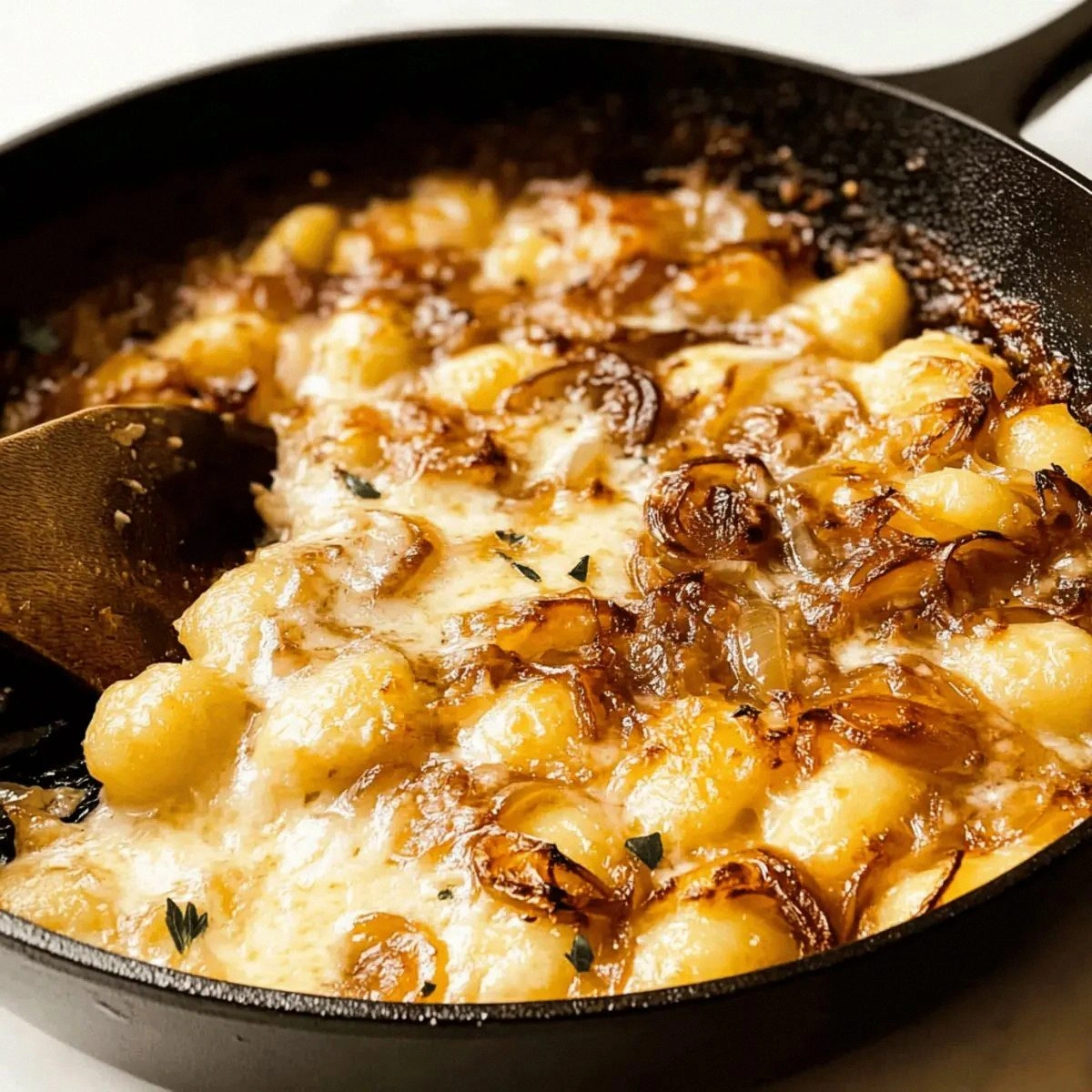
Picture this: it’s a rainy Tuesday, you’ve just survived a 45‑minute Zoom marathon, and the only thing that can rescue you from the looming “what’s for dinner?” crisis is a pot of something that smells like a French bistro on fire. I was in that exact spot, half‑heartedly tossing a bag of store‑bought gnocchi into a pan, when a stray onion hit the floor, rolled under the fridge, and sparked a culinary epiphany. That clumsy tumble forced me to re‑evaluate my approach to comfort food, and the result was a dish that turned a simple pantry staple into a show‑stopping, velvety masterpiece that could make even the most skeptical palate swoon.
The moment the onions hit the butter, the kitchen filled with a sweet, caramelized perfume that reminded me of my grandma’s Sunday dinner, only amplified by the sharp, buttery tang of fresh thyme. You could hear the gentle sizzle, feel the heat radiating from the pan, and see the onions slowly turning a deep, amber gold that looked like liquid sunshine. As the wine deglazed the pan, a thin veil of steam rose, carrying hints of Dijon and Worcestershire that promised layers of depth beyond the ordinary. I could already taste the creamy, cheesy finish in my mind, and my stomach growled in agreement—this was not going to be a fleeting weekday fling; it was a love affair waiting to happen.
Most recipes for French onion gnocchi either drown the gnocchi in a watery broth or smother it with a sauce that’s more cheese‑soup than sauce. This version, however, balances the sweet caramelized onion base with a silky, buttery broth that clings to each pillow‑soft gnocchi like a lover’s embrace. The secret? A precise combination of flour for thickening, a splash of dry white wine for acidity, and two different cheeses that melt into a glossy, golden coat without turning gritty. Add a pinch of thyme and a bay leaf for an aromatic lift, and you have a dish that feels both rustic and refined—perfect for a quick weeknight and impressive enough for guests.
But wait, there’s a twist that will make you gasp: I toss in a half‑cup of beef stock, not the usual chicken, to give the sauce a subtle umami punch that makes the cheese sing. This is the game‑changer that most home cooks overlook, and it’s why this is hands down the best version you’ll ever make at home. I dare you to taste this and not go back for seconds. Let me walk you through every single step — by the end, you’ll wonder how you ever made it any other way.
What Makes This Version Stand Out
- Flavor Depth: The combination of caramelized onions, white wine, and beef stock creates a sauce that’s richer than a classic French onion soup, yet lighter than a heavy cream sauce.
- Texture Harmony: The gnocchi stays pillowy inside while the exterior gets a light crisp from the pan, offering a satisfying bite contrast.
- Simplicity: Only ten core ingredients, all pantry‑friendly, mean you can throw this together in under an hour without a trip to the specialty store.
- Unique Ingredient: The dash of Worcestershire sauce adds a hidden umami note that most recipes miss, elevating the entire dish.
- Crowd Reaction: Guests often claim they’ve never tasted gnocchi this creamy, and the cheese blend ensures every forkful is a melty delight.
- Ingredient Quality: Using fresh thyme and high‑quality Gruyère makes a noticeable difference; cheap cheese leaves a greasy aftertaste.
- Cooking Method: Caramelizing the onions first builds a flavor foundation that can’t be rushed—patience is rewarded.
- Make‑Ahead Potential: The sauce can be pre‑made and stored, so on busy nights you only need to boil the gnocchi and combine.
Inside the Ingredient List
The Flavor Base
Olive Oil (2 tablespoons): Provides a neutral, heat‑stable medium that lets the butter brown without burning. If you skip it, the butter alone can scorch, leaving a bitter note. Swap with grapeseed oil for an even higher smoke point if you love a crispier caramel.
Salted Butter (2 tablespoons): The butter carries the sweet, nutty flavor that turns the onions into golden gems. Unsalted butter works if you adjust the added salt, but the subtle salt in the butter adds depth that plain salt can’t mimic.
Yellow Onion (2 pounds): The star of the show—its natural sugars caramelize into a sweet, complex backdrop. Choose large, firm onions; avoid those that are soft or sprouting, as they’ll lack the necessary sugar content.
The Texture Crew
All‑Purpose Flour (2.5 tablespoons): Acts as a thickening agent, giving the sauce that luxurious coat without turning it gummy. If you’re gluten‑free, a blend of rice flour and cornstarch works, though the texture will be slightly lighter.
Gnocchi (24 ounces): Store‑bought or homemade, these pillowy pillows absorb the sauce beautifully. Fresh gnocchi cooks faster and yields a silkier bite, but frozen works just as well if you give them a minute extra.
Gruyère Cheese (1.5 cups): This Swiss cheese melts smoothly and adds a nutty, slightly sweet flavor that pairs perfectly with onions. Substitute with aged cheddar for a sharper profile, but expect a different aroma.
The Unexpected Star
Dry White Wine (0.5 cup): The acidity cuts through the richness, balancing the sweetness of the onions. If you’re avoiding alcohol, replace with an equal amount of chicken broth plus a splash of white wine vinegar.
Worcestershire Sauce (1 teaspoon): A dash of this umami bomb adds depth that you’d otherwise miss from a meat‑based stock. It’s the secret whisper that makes the sauce sing.
Bay Leaf (1 large): Infuses a subtle herbal note; remove before serving. Forgetting it can leave a bitter edge, so set a timer for 20 minutes to remember its exit.
The Final Flourish
Thyme (1.5 tablespoons): Fresh thyme brings a piney brightness that lifts the heavy sauce. Dried thyme works in a pinch, but use only half the amount because it’s more concentrated.
Garlic (6 cloves): Adds a pungent backbone that rounds out the sweet onions. Smash them first to release the oils; otherwise you’ll get a raw garlic bite.
Dijon Mustard (2.5 teaspoons): Gives a gentle heat and tang that prevents the sauce from feeling one‑dimensional. A good quality Dijon is worth the extra cents.
Low Sodium Beef Stock (2.5 cups): The star‑hidden ingredient that adds richness without overwhelming salt. If you only have chicken stock, reduce the added salt accordingly.
Parmesan Cheese (0.5 cup): A finishing sprinkle that adds a salty, nutty edge and helps the sauce cling to each gnocchi. Freshly grated is essential; pre‑grated packs contain anti‑caking agents that affect texture.
Everything's prepped? Good. Let’s get into the real action...
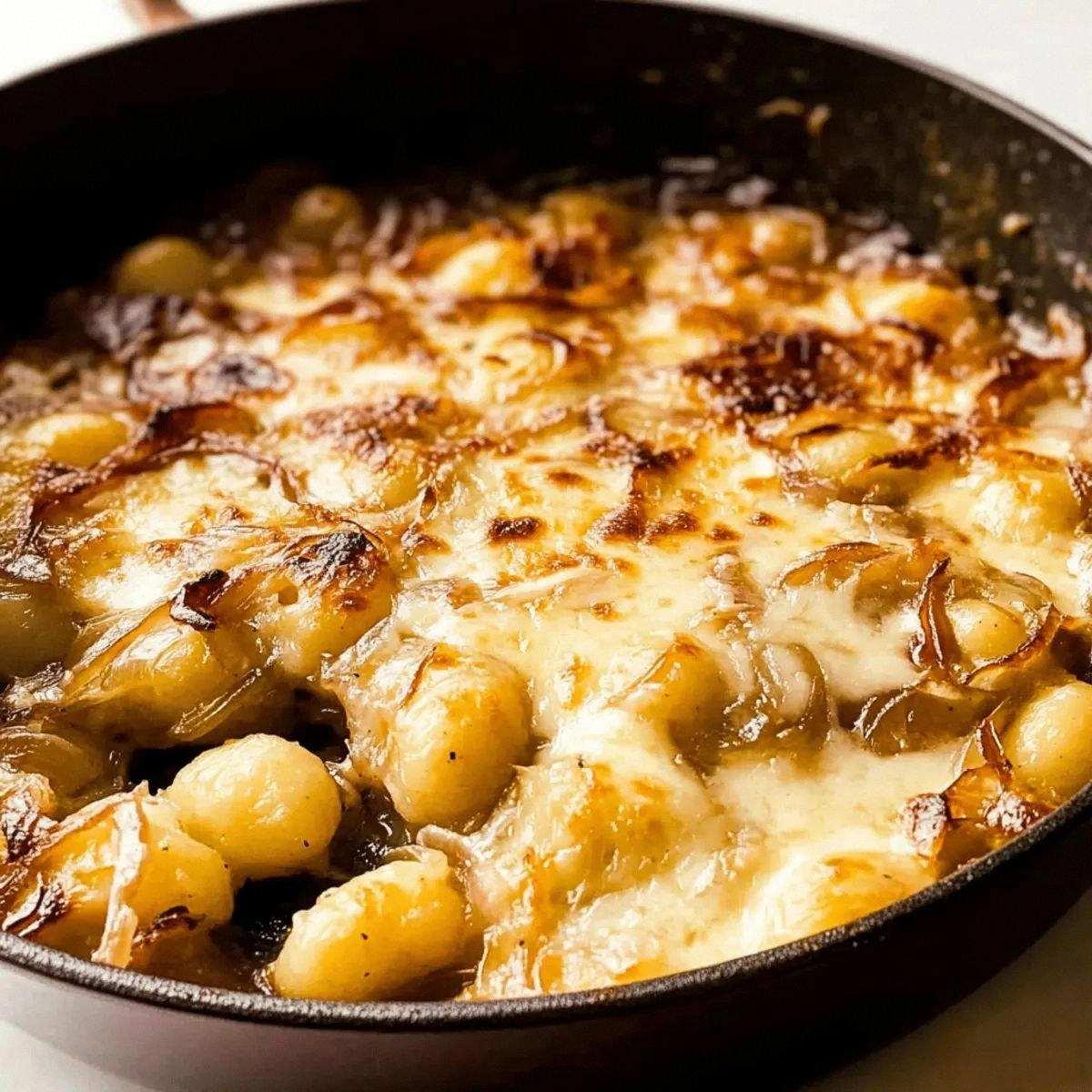
The Method — Step by Step
Start by heating the olive oil and butter together in a large, heavy‑bottomed skillet over medium heat. Once the butter foams, add the sliced onions, spreading them out in an even layer. Let them sweat for about 5 minutes, then lower the heat to medium‑low. This is where patience pays off; you want the onions to turn a deep, caramel color without burning. That sizzle when it hits the pan? Absolute perfection. Keep a close eye, stirring occasionally, until they’re a glossy amber—this should take 20‑25 minutes.
When the onions are beautifully caramelized, add the minced garlic and thyme, tossing quickly to release their aromas. Cook for another 1‑2 minutes until the garlic is fragrant but not browned.
Kitchen Hack: Smash the garlic with the flat side of a knife before mincing; it releases more flavor and prevents the bits from burning.Now, pour in the dry white wine, letting it bubble up and deglaze the pan. Scrape the browned bits (fond) from the bottom with a wooden spoon; those are flavor gold. Let the wine reduce by half, which should take about 3‑4 minutes. This concentration step is crucial—if you skip it, the sauce will taste flat and watery.
Stir in the Dijon mustard and Worcestershire sauce, coating the onions evenly. Sprinkle the flour over the mixture, stirring constantly to form a roux. Cook the roux for 2 minutes; this eliminates any raw flour taste and creates a glossy base.
Watch Out: If the flour clumps, add a splash of stock and whisk vigorously to smooth it out.Gradually whisk in the beef stock, one cup at a time, ensuring a smooth, velvety consistency. Add the bay leaf, bring the mixture to a gentle simmer, and let it thicken for about 5 minutes. The sauce should coat the back of a spoon and have a silky sheen. Taste and season with kosher salt and freshly cracked black pepper—remember, the stock already carries some salt, so adjust carefully.
While the sauce simmers, bring a large pot of salted water to a rolling boil. Add the gnocchi and cook according to package instructions—usually until they float to the surface, about 2‑3 minutes. Drain and set aside, reserving a cup of the cooking water in case you need to loosen the sauce later.
Transfer the cooked gnocchi into the skillet with the onion‑wine sauce. Toss gently to coat each pillow‑soft piece, allowing the gnocchi to soak up the flavors. If the sauce seems too thick, add a splash of the reserved gnocchi water; this will loosen it without diluting the taste.
Reduce the heat to low and sprinkle the grated Gruyère and Parmesan over the gnocchi. Stir just enough to melt the cheese into a glossy, golden glaze that clings to every curve.
Kitchen Hack: Add cheese off the heat to avoid a grainy texture; the residual heat is enough to melt it perfectly.Finally, remove the bay leaf and give the dish a final taste. Adjust seasoning if needed, then serve immediately. The sauce should be creamy, the gnocchi tender, and the cheese a buttery sheen that makes you want to dive in with a spoon. Picture yourself pulling this out of the pan, the whole kitchen smelling incredible, and a smile spreading across your face.
That's it — you did it. But hold on, I've got a few more tricks that'll take this to another level...
Insider Tricks for Flawless Results
The Temperature Rule Nobody Follows
Never crank the heat to “high” when caramelizing onions. Medium‑low gives the sugars time to break down evenly, resulting in a deep, sweet flavor without bitter edges. I once tried blasting the onions on high; they browned in seconds but tasted burnt. Keep the heat steady and you’ll get that glossy, melt‑in‑your‑mouth caramel every time.
Why Your Nose Knows Best
When the wine is reducing, trust your nose more than the clock. If you smell a sharp, alcoholic bite, let it evaporate a little longer; if the aroma turns sweet and nutty, you’re ready. This sensory checkpoint prevents a sauce that’s too acidic or too flat. I’ve found that the moment the scent changes is the exact point the flavor balances itself.
The 5‑Minute Rest That Changes Everything
After you combine the gnocchi and sauce, turn off the heat and let the dish sit for five minutes. This rest allows the gnocchi to absorb the sauce fully, making every bite luscious. Skipping this step is the most common mistake I see; the gnocchi ends up sliding off the fork, leaving the sauce stranded at the bottom.
Cheese Timing is Everything
Adding cheese too early can cause it to separate, leaving a grainy texture. Drop the Gruyère and Parmesan in at the very end, off the direct flame, and stir gently. The residual heat is enough to melt them into a silky coat. I once added cheese while the pan was still scorching and ended up with clumps—never again.
Salt Balance Hack
Because the stock and salted butter already contribute sodium, taste before you add the final pinch of kosher salt. A good rule of thumb: start with half the recommended amount, taste, then adjust. Over‑salting is unforgivable in a creamy sauce; it masks the delicate onion sweetness.
Creative Twists and Variations
This recipe is a playground. Here are some of my favorite ways to switch things up:
Smoky Bacon Boost
Render 4 strips of bacon until crisp, crumble, and stir into the sauce just before adding the gnocchi. The smoky saltiness pairs beautifully with the sweet onions, turning the dish into a hearty brunch option.
Herbaceous Green
Swap thyme for fresh sage and add a handful of chopped spinach at the end. The earthy sage complements the onions, while spinach adds a pop of color and a boost of nutrients.
Spicy Kick
Introduce a pinch of red pepper flakes when you add the garlic. The subtle heat cuts through the richness, making the dish perfect for those who love a little zing.
Vegan Version
Replace butter with vegan margarine, use vegetable stock, and swap Gruyère for a plant‑based cheese that melts well. The flavor profile stays rich, and the texture remains creamy.
Truffle Infusion
Drizzle a teaspoon of truffle oil over the finished plate and garnish with shaved truffle. This luxurious addition turns a weeknight dinner into a special‑occasion feast.
Rustic Bread Bowl
Serve the gnocchi in a hollowed‑out sourdough boule. The bread soaks up the sauce, and you get a crunchy edge to contrast the creamy interior.
Storing and Bringing It Back to Life
Fridge Storage
Allow the gnocchi to cool to room temperature, then transfer to an airtight container. It will keep for up to 3 days. When reheating, add a splash of water or broth and stir over low heat until the sauce regains its silkiness.
Freezer Friendly
Portion the cooked gnocchi and sauce into freezer‑safe bags, removing as much air as possible. Freeze for up to 2 months. Thaw overnight in the refrigerator, then reheat gently on the stove, adding a little extra stock to revive the creaminess.
Best Reheating Method
For the ultimate texture, reheat in a skillet over medium heat, stirring frequently. Add a tiny splash of water before reheating; it steams the gnocchi back to perfection and prevents the sauce from drying out.